Dabu Printed Sarees: Rajasthan's Traditional Mud-Resist Printing Technique Explained
Traditional Indian textile printing includes techniques that use carved blocks, natural materials and carefully controlled dyeing processes.
Dabu printing is one such craft tradition associated with Rajasthan. It is known for its mud-resist technique, in which a prepared resist paste is applied to selected areas of fabric to prevent those sections from receiving dye in the same way as the exposed portions.
The result can include distinctive patterns, contrasting areas and layered visual effects.
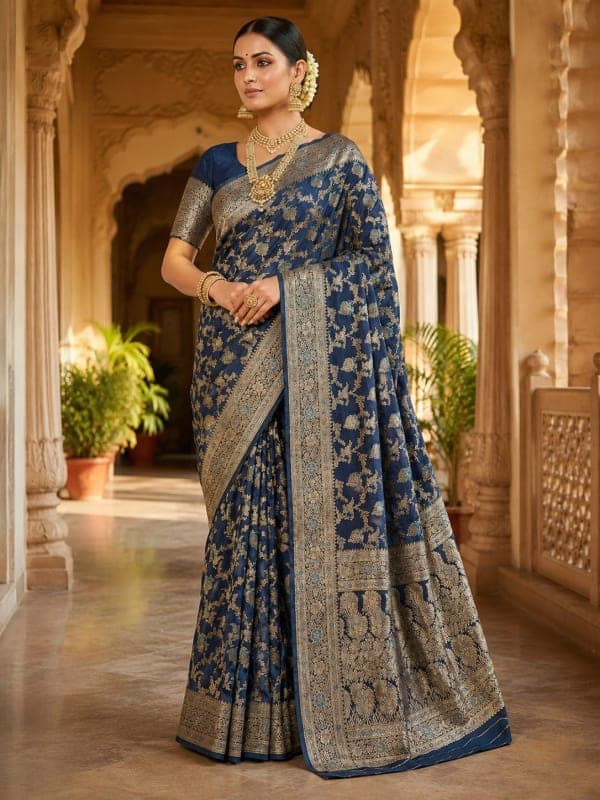
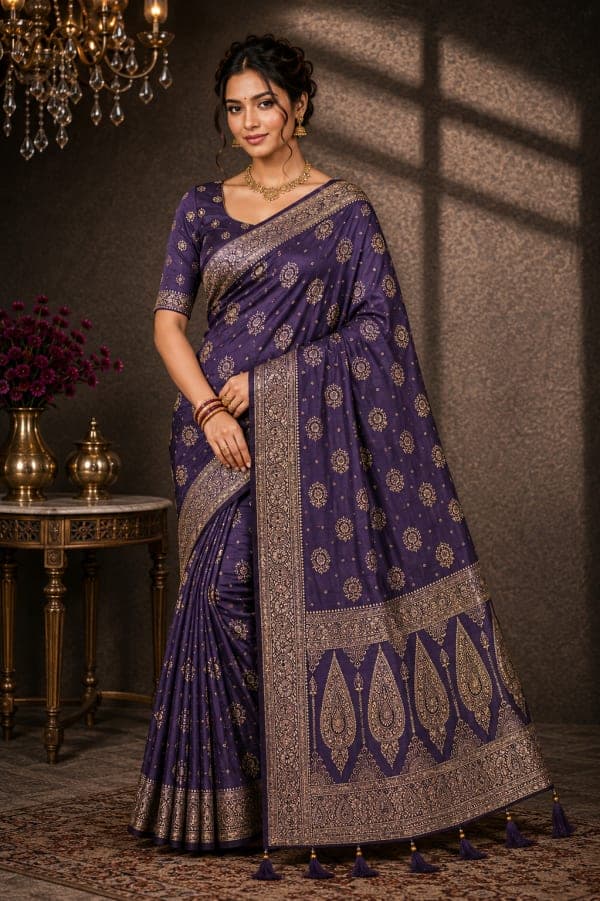
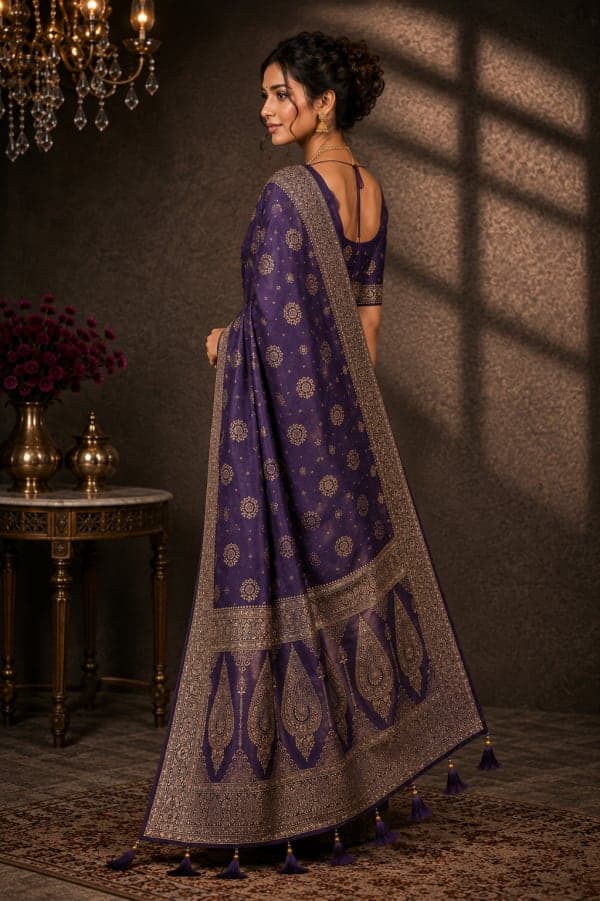
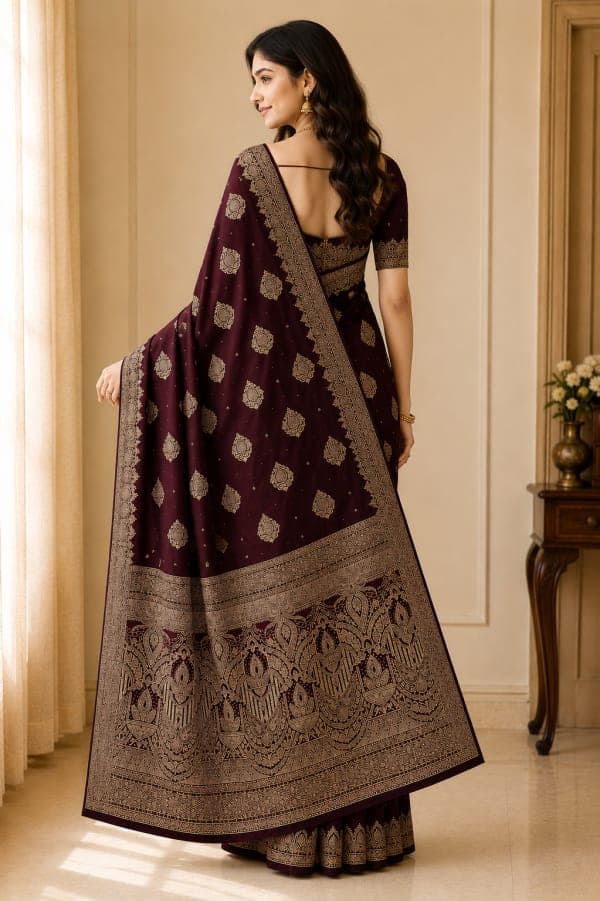
Dabu-inspired sarees are an interesting option for women who enjoy printed textiles with a handcrafted appearance. Their designs can range from subtle geometric patterns to more elaborate botanical arrangements.
Understanding the technique is useful because Dabu printing is not simply another name for a printed pattern. It describes a resist-printing process.
This guide explains the method, common design characteristics, differences from other printing traditions and what to check before buying a Dabu printed saree.