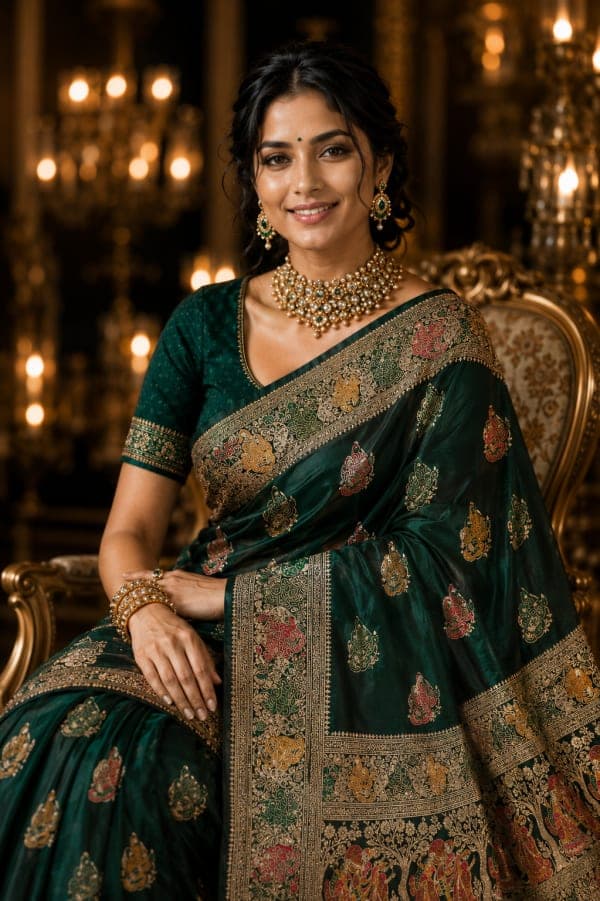
How Much Does a Good Saree Cost in India in 2026?
Understand saree pricing in India in 2026 by comparing fabric, weaving, craftsmanship, zari, embroidery, brand positioning and occasion.
Read Article

Luxury Saree Atelier
How to Choose Between a Handloom Saree and a Designer Saree
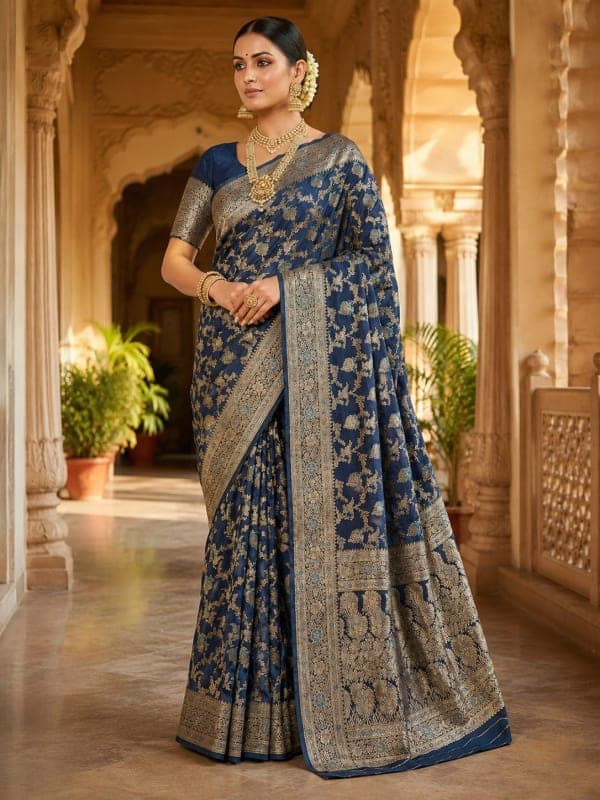
When shopping for a premium saree, you may find yourself choosing between two very different options: a traditional handloom saree and a contemporary designer saree.
Both can be beautiful, sophisticated and suitable for important occasions. However, they may offer different experiences in terms of craftsmanship, design, styling and overall value.
A handloom saree may appeal to someone who appreciates traditional weaving and textile heritage. A designer saree may attract someone looking for a distinctive silhouette, contemporary detailing or a particular fashion aesthetic.
But which one should you buy?
The right choice depends on what you value most. This guide explains the differences and provides a practical framework for selecting the saree that suits your wardrobe and occasion.
A handloom saree is produced using a manually operated loom. The weaving process involves the skill and effort of the weaver, with the exact technique depending on the textile tradition.
Handloom sarees can feature a wide range of fabrics, textures, motifs and patterns.
Some are relatively simple, while others involve elaborate borders, traditional motifs and detailed pallus.
A handloom saree is not defined by one particular appearance. Its defining feature is the weaving method.
When purchasing one, it is useful to understand the specific textile tradition, materials and production process rather than relying only on the word handloom.
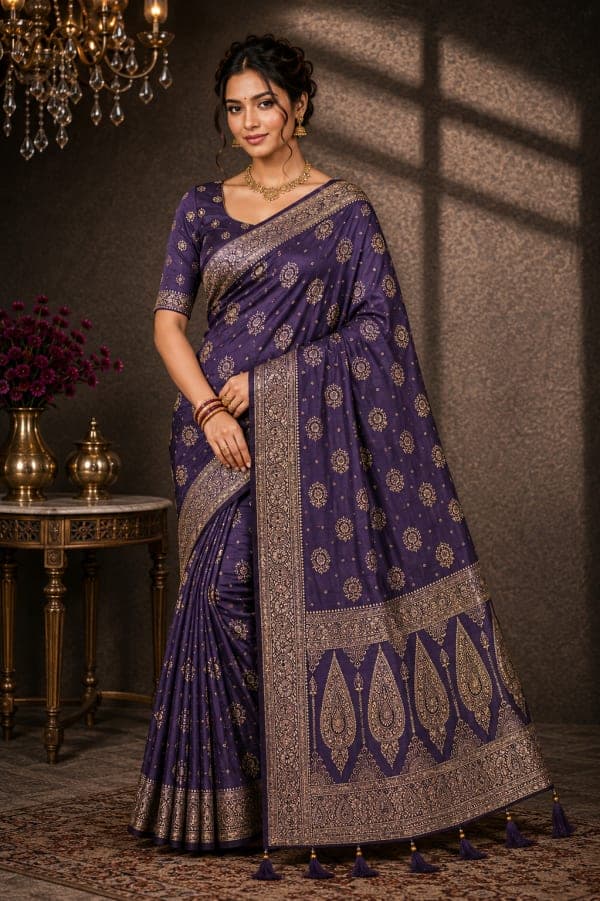
A designer saree is created around a particular design concept or aesthetic direction.
It may feature contemporary colours, unusual fabric combinations, embroidery, embellishments, modern draping elements or distinctive construction.
Designer sarees can be produced using different techniques. Some may be handwoven, while others may be machine-made, printed, embroidered or assembled using multiple processes.
The term designer does not automatically indicate a particular fabric or production method.
A designer saree can also be handloom-made. These categories are not necessarily opposites.
This distinction is important when comparing products.
One of the main differences buyers consider is how the saree is made.
Handloom production involves manual weaving. The complexity of the design, the weaving tradition and the skill required can influence the time and effort involved.
Some handloom sarees feature distinctive woven patterns that are closely associated with particular textile traditions.
Designer sarees can involve several forms of workmanship.
These may include:
A designer saree may involve considerable craftsmanship even when the main fabric is not handwoven.
When evaluating either type, focus on the actual work involved rather than assuming one category is always more carefully made.
Handloom sarees often appeal to buyers who appreciate traditional patterns, regional textile identities and woven motifs.
Designer sarees may offer more contemporary interpretations, experimental combinations and modern styling details.
However, there is considerable overlap.
Traditional handloom textiles can be used in contemporary outfits, while designer sarees can incorporate traditional motifs and techniques.
Consider your personal style:
| Preference | What to explore |
|---|---|
| Traditional patterns | Handloom collections with established weaving styles |
| Contemporary silhouettes | Designer collections |
| Regional textile heritage | Handloom sarees with documented origins |
| Modern embellishments | Designer sarees with detailed finishing |
| Understated elegance | Simple handloom or minimalist designer sarees |
| Distinctive occasion styling | Both categories, depending on construction |
Do not choose based on category alone. Examine the actual design.
Both options can be appropriate for weddings.
A handloom saree may be particularly appealing for traditional ceremonies, family functions and occasions where you want a textile with a strong cultural identity.
A designer saree may suit receptions, engagement celebrations, cocktail events and contemporary wedding settings.
These are broad preferences, not strict rules.
A richly detailed handloom saree can look striking at a modern reception. A thoughtfully designed contemporary saree can also work beautifully for a traditional family event.
The occasion, dress code and your personal comfort should guide the decision.
The price of a handloom saree can reflect the material, weaving time, craftsmanship and complexity of the design.
A designer saree may include costs associated with design development, fabric selection, embroidery, embellishment, branding and production.
Neither category has a fixed price range.
A simple handloom saree may cost less than an elaborate designer saree, while a highly intricate handloom piece can be a significant investment.
When comparing prices, ask:
This helps you understand what you are paying for.
Comfort depends on the actual fabric, weight, construction and drape rather than whether the saree is described as handloom or designer.
A lightweight handloom saree may be comfortable for extended wear. A heavily embellished designer saree may require more careful handling.
Equally, a minimalist designer saree can be easy to wear, while a traditional handloom saree with a substantial weave may feel heavier.
Before buying, examine:
If you expect to wear the saree for several hours, comfort should be an important part of the purchase decision.
Think about how the saree will fit into your existing wardrobe.
A handloom saree with a timeless colour and restrained design may work across several family and cultural occasions.
A designer saree with a distinctive appearance may be perfect for a particular event and can become a statement piece.
Neither is automatically more versatile.
Consider whether you can style the saree differently using:
A versatile purchase is one that fits your actual lifestyle, not simply one with a neutral colour.
If you are considering a handloom saree, pay attention to the following:
Ask whether the saree is genuinely handwoven and whether any supporting documentation is available.
Ask about the weaving tradition, region and artisan details where available.
Look at the weave, texture and overall consistency.
Observe how patterns appear across the body, border and pallu.
Clarify the fibre composition and the materials used in decorative elements.
Compare similar products with similar materials and construction rather than comparing every handloom saree as if they were identical.
A designer label should not replace product inspection.
Before buying, consider:
Ask for close-up photographs or videos if you are buying online.
Handloom production is an important attribute, but value also depends on materials, workmanship and your own preferences.
The word designer does not guarantee that a saree is produced in limited quantities. Ask about the actual collection and production details.
A designer saree can use several different fibres. Understand the composition before comparing prices.
Consider whether you will enjoy wearing the saree after the current fashion trend changes.
Detailed embroidery and delicate fabrics may require additional care.
Use your priorities to guide the purchase.
Choose a handloom saree if you value:
Consider a designer saree if you value:
You may also find a product that combines both. A designer saree can incorporate handloom fabric, and a traditional textile can be styled in a contemporary way.
There is no universal winner between handloom and designer sarees.
A handloom saree can offer traditional weaving, textile heritage and distinctive craftsmanship. A designer saree can offer contemporary design, creative detailing and a different approach to occasion wear.
The best purchase is the one that matches your expectations for fabric, workmanship, comfort, style and price.
Before deciding, examine the product itself. Ask about its construction, verify important claims and make sure you understand the care requirements.
A thoughtful purchase is always more valuable than choosing a label without understanding what it represents.
Not necessarily. They describe different aspects of a saree. Handloom refers to the weaving method, while designer refers to the design approach.
Yes. A designer saree can use handwoven fabric and traditional textile techniques.
Both can be suitable. Choose according to the event, dress code, fabric, comfort and personal style.
Some are expensive because of specialised materials and weaving work, but prices vary significantly across textile types and designs.
They can be worth buying when the design, materials, construction and workmanship justify the price for your requirements.
Ask about the weaving method, textile origin and supporting documentation. Look for relevant certification where applicable and purchase from a transparent seller.
How Much Does a Good Saree Cost in India in 2026?
Understand saree pricing in India in 2026 by comparing fabric, weaving, craftsmanship, zari, embroidery, brand positioning and occasion.
Read ArticleSaree Shopping Guide 2026: 15 Things to Check Before Buying Online
Use this 2026 saree shopping checklist before buying online. Learn what to check for fabric, measurements, blouse piece, pallu, colour, return policy and product details.
Read ArticleHow to Buy a Saree Online in 2026: Complete Buyer Checklist
Use this complete online saree buying checklist to evaluate fabric, measurements, blouse piece, colour, price and return policies.
Read Article