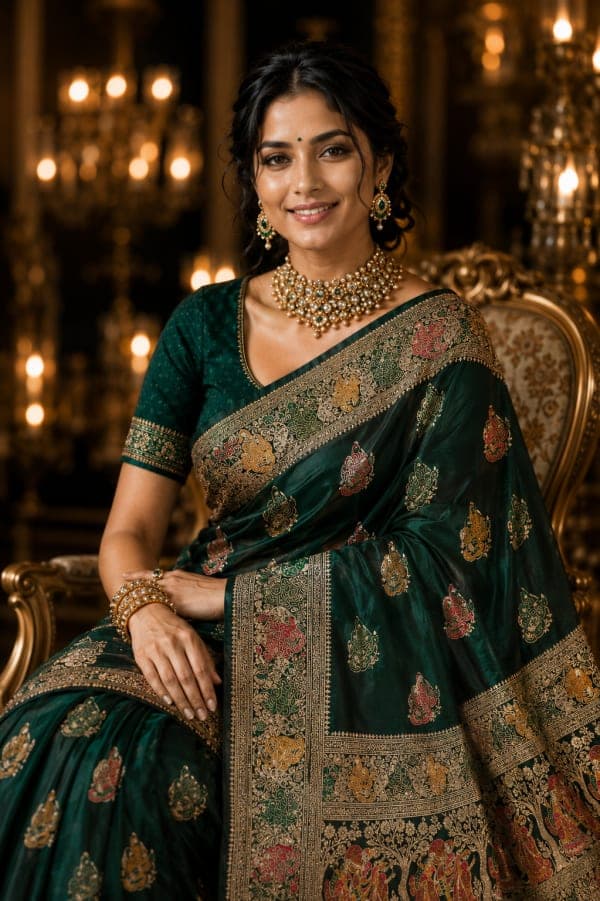
How Much Does a Good Saree Cost in India in 2026?
Understand saree pricing in India in 2026 by comparing fabric, weaving, craftsmanship, zari, embroidery, brand positioning and occasion.
Read Article

Luxury Saree Atelier
How to Check Saree Finishing Before Buying: Borders, Seams, Fall and Stitching
When shopping for a saree, it is natural to focus on the colour, fabric and design. However, finishing is another important part of the purchase.
A saree may have beautiful fabric and an attractive pattern, but poorly completed edges, loose threads or uneven stitching can affect its appearance and usability.
Finishing includes several details: the borders, fabric edges, seams, decorative elements, tassels and any additional tailoring work.
Understanding what to inspect can help you make a more informed decision, whether you are buying from a local store or an online boutique.
Start by checking the long edges of the saree.
The edges should be finished appropriately for the fabric and design. Look for loose threads, uneven stitching or areas where the fabric appears to be coming apart.
Some traditional fabrics have specific edge treatments, so do not assume that every saree must have identical stitching.
The important question is whether the finishing is suitable for the construction and whether it appears secure.
If you are buying online, request close-up photographs of both sides of the saree.
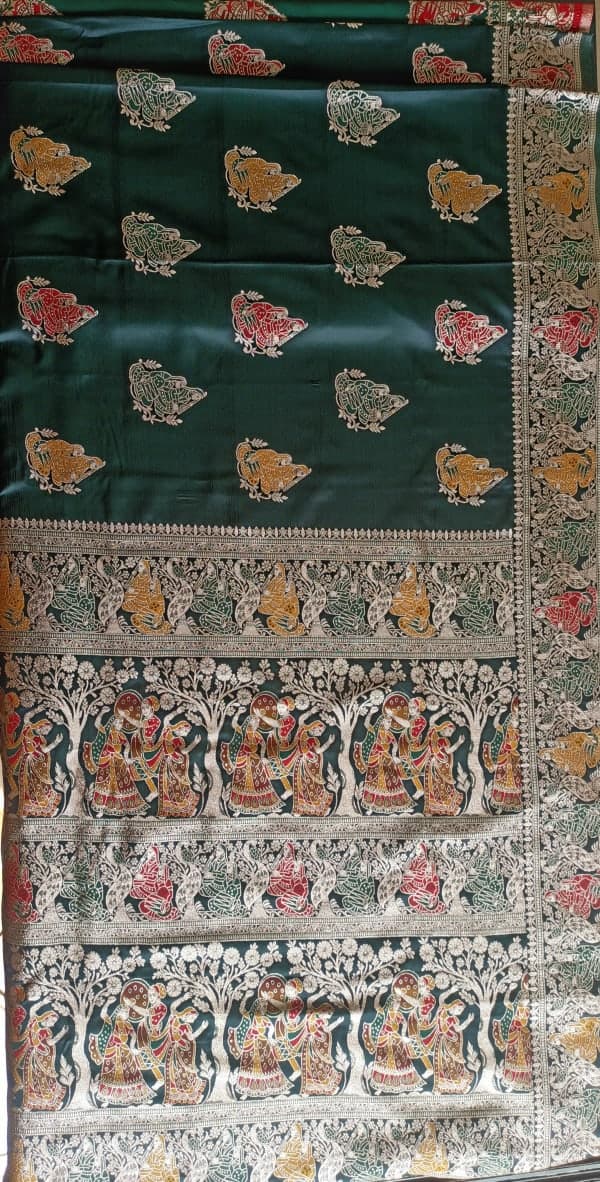
The border is often one of the most visible elements of a saree.
Check whether it appears consistently attached and whether the design aligns properly with the fabric.
Look for:
Handwoven and handmade products may have small variations. The objective is not to demand machine-like uniformity but to identify genuine construction problems.
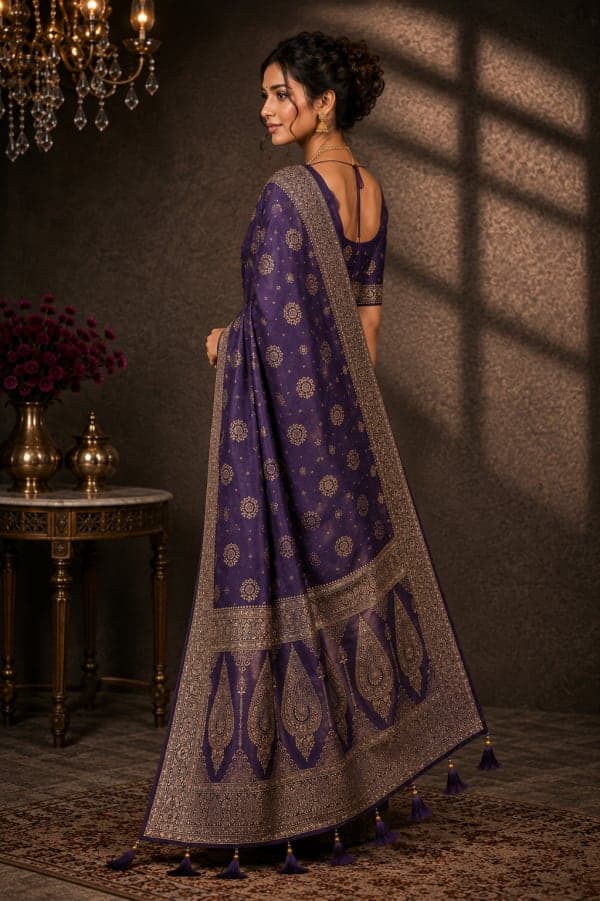
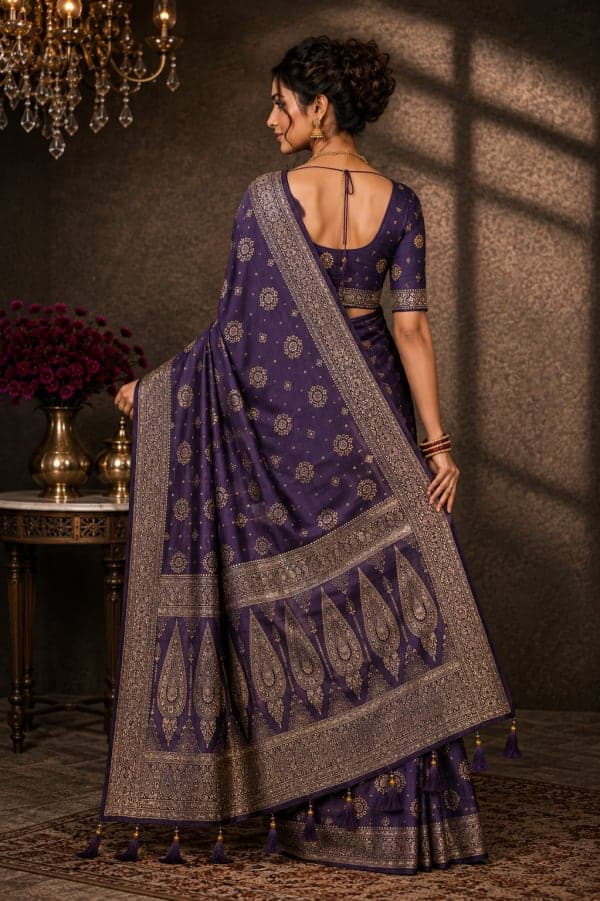
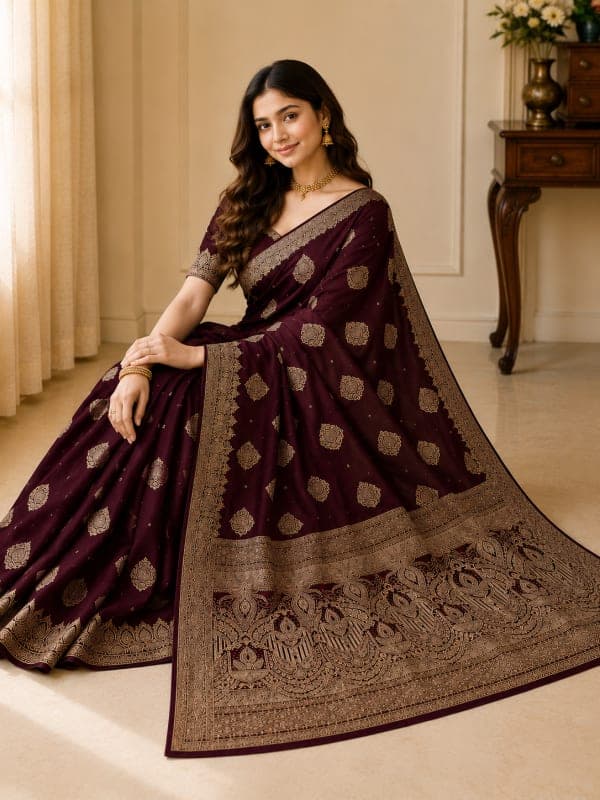
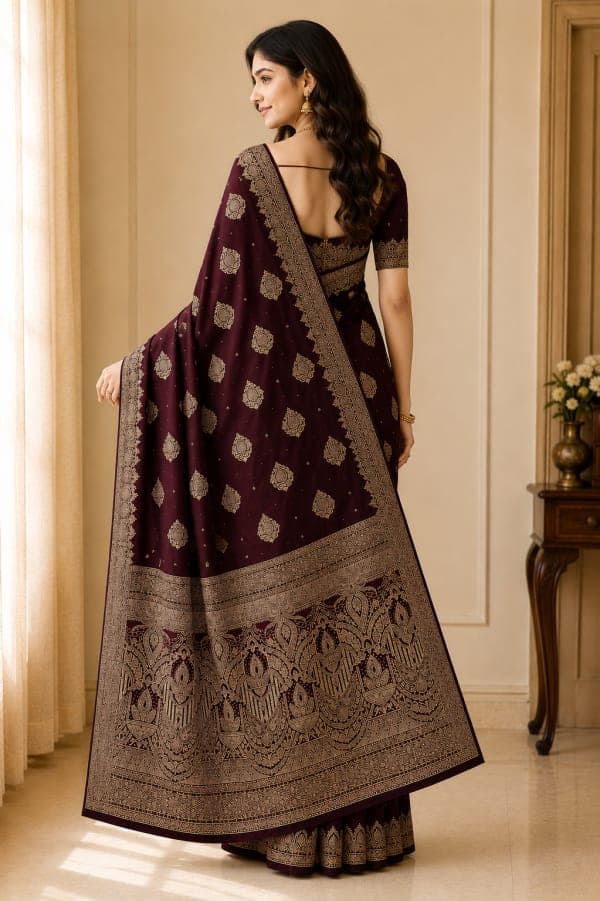
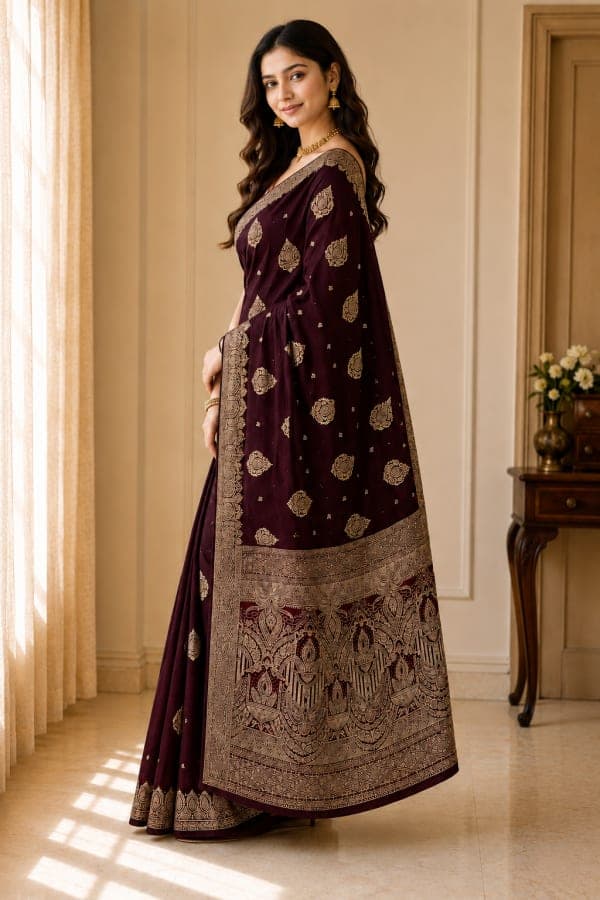
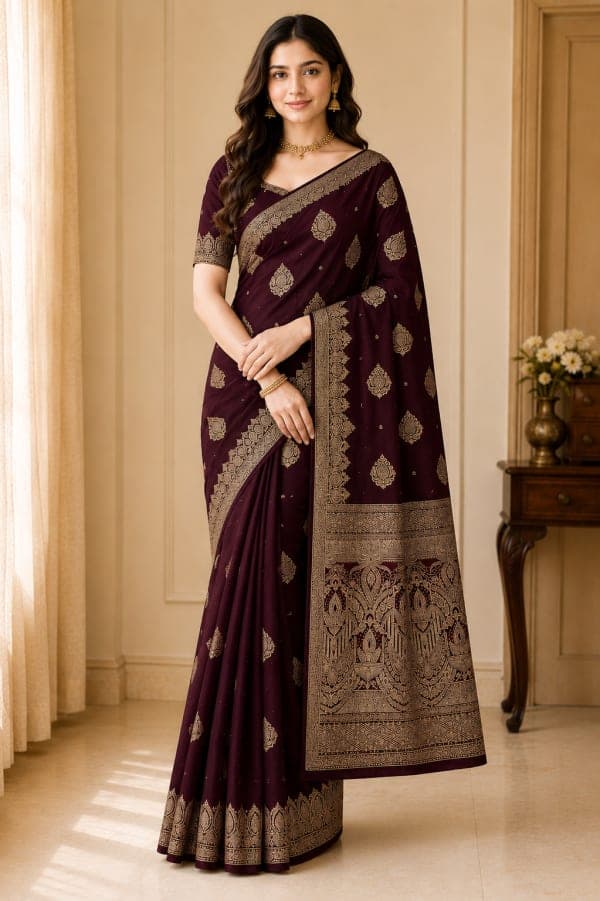
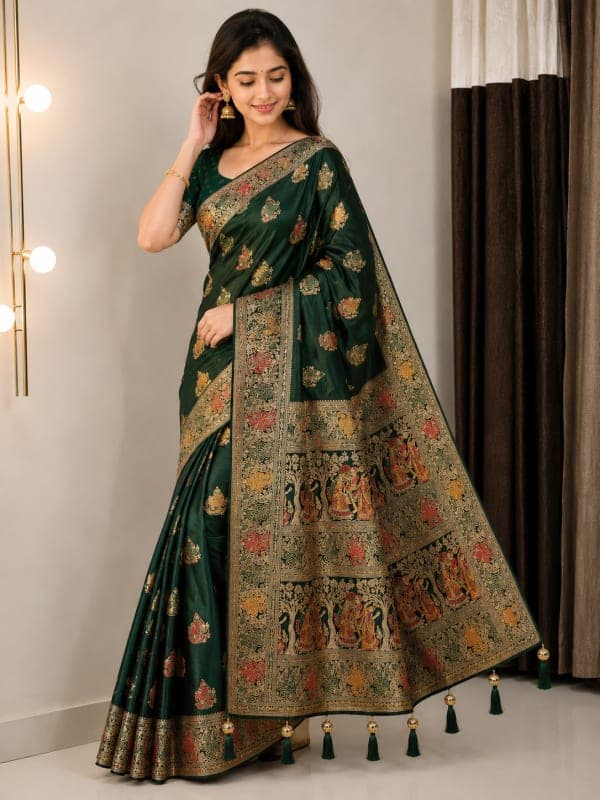
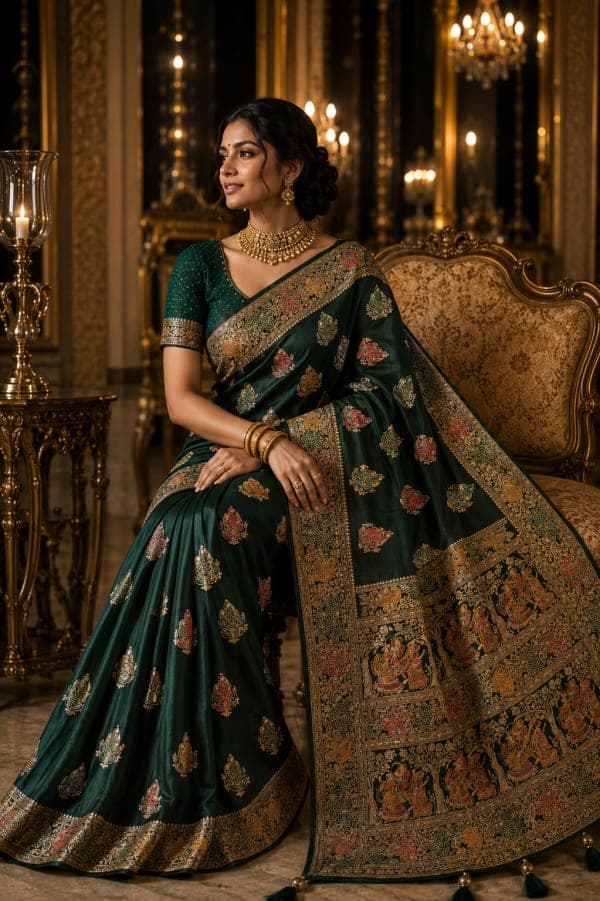
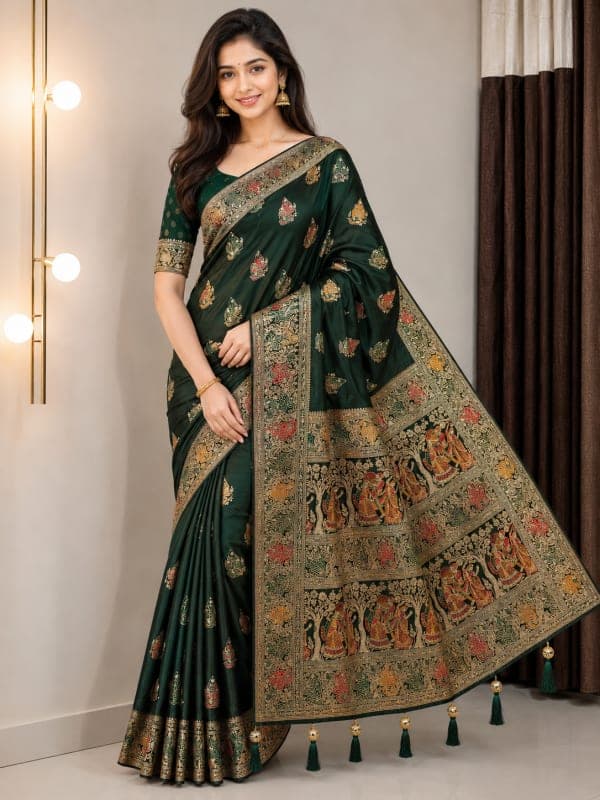
The pallu often contains the most elaborate part of a saree's design.
Inspect the motifs, woven patterns, embroidery and decorative elements.
If the pallu includes attached embellishments, check whether they are secure.
For sarees with metallic threadwork, avoid pulling or rubbing the decorative areas.
A clear photograph of the complete pallu and a separate close-up can help you understand the design before purchasing online.
Fall is a separate strip of fabric commonly attached to the lower edge of a saree to provide support and help protect the fabric from wear.
Edging refers to the finishing of the saree's edges.
Some sarees are sold with fall and edging already completed, while others require these services after purchase.
Before buying, ask:
Do not assume these services are included unless the product listing clearly says so.
Many sarees include an unstitched blouse piece, but the details can differ.
Check whether the blouse fabric is attached to the saree or supplied separately.
Confirm its colour, design and approximate dimensions with the seller.
Look for any special embroidery or border details that may influence blouse stitching.
If the blouse fabric is not included, account for the additional purchase and tailoring cost.
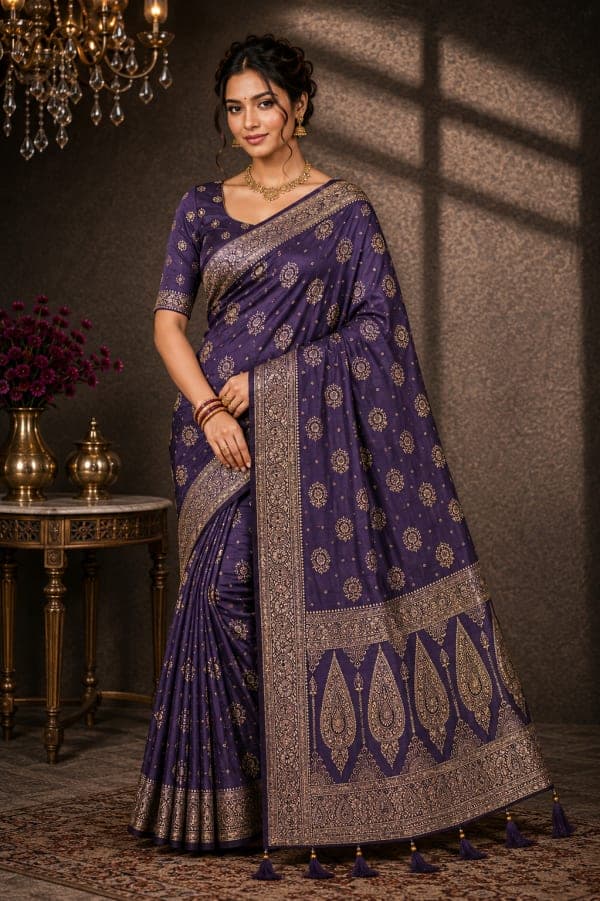
Some sarees have tassels or decorative threadwork at the pallu end.
These elements should be checked for secure attachment and consistent finishing.
Loose tassels are not always a serious problem, but they should be assessed before purchase.
If the saree has elaborate embellishments, check whether any decorative pieces are missing or damaged.
Ask the seller whether the product requires additional finishing before it can be worn.
Spread the saree carefully and inspect the fabric in good lighting.
Look for:
For printed sarees, check whether the print is reasonably consistent with the product description.
For woven sarees, examine the fabric for obvious construction defects.
Remember that natural variations may occur in certain handmade products. Ask the seller to explain any unusual marks or irregularities rather than assuming they are intentional.
A single product photograph is rarely enough to evaluate finishing.
Request photographs showing:
For an expensive saree, you may also ask for a short video showing the fabric in natural light.
Make sure you understand whether the photographs show the actual product or a representative sample.
Finishing is one part of overall product value.
A higher price does not automatically mean perfect finishing. A lower-priced saree may still have neat construction and suitable materials.
Compare the product's fabric, design, finishing, care requirements and seller information.
If additional work is required after purchase, include those costs in your budget.
This is particularly important when buying sarees that require fall, edging, tassels or custom blouse stitching.
If you identify a problem before buying, ask the seller for clarification.
For online purchases, keep written communication and product photographs.
If the saree arrives with a defect, photograph the issue before making alterations or attempting repairs.
Review the seller's return and exchange policy. Avoid removing tags or changing the product before understanding the available resolution process.
For minor finishing issues, a qualified tailor may be able to help, but expensive or delicate sarees should be handled by someone experienced with the fabric.
Before completing your purchase, review these points:
This checklist is useful for both store purchases and online shopping.
Examine the fabric, border, pallu, edges, stitching and decorative details. Ask for close-up photographs if shopping online.
No. Some sarees arrive with fall attached, while others require separate finishing. Confirm with the seller.
A small loose thread may be manageable, but extensive loose stitching or detached decorative work should be investigated before purchase.
Ask for the full saree, border, pallu, fabric texture, blouse piece and relevant finishing details.
Some finishing issues can be repaired, but the right approach depends on the fabric and the extent of damage. Delicate or expensive sarees should be handled by an experienced professional.
Saree finishing may not be the first thing you notice, but it plays an important role in the overall purchase.
Take time to inspect the edges, border, pallu, blouse piece and decorative elements. Understand what work is included and what may need to be completed later.
A thoughtful quality check helps you buy with greater confidence and reduces the chance of unexpected alterations or repairs.
How Much Does a Good Saree Cost in India in 2026?
Understand saree pricing in India in 2026 by comparing fabric, weaving, craftsmanship, zari, embroidery, brand positioning and occasion.
Read ArticleSaree Shopping Guide 2026: 15 Things to Check Before Buying Online
Use this 2026 saree shopping checklist before buying online. Learn what to check for fabric, measurements, blouse piece, pallu, colour, return policy and product details.
Read ArticleHow to Buy a Saree Online in 2026: Complete Buyer Checklist
Use this complete online saree buying checklist to evaluate fabric, measurements, blouse piece, colour, price and return policies.
Read Article