How to Inspect the Reverse Side of a Saree Before Buying
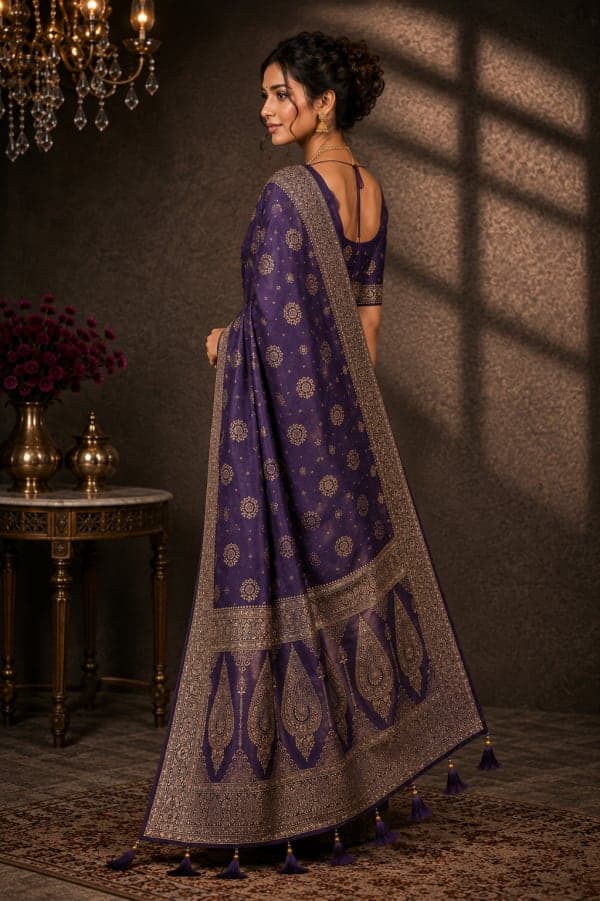
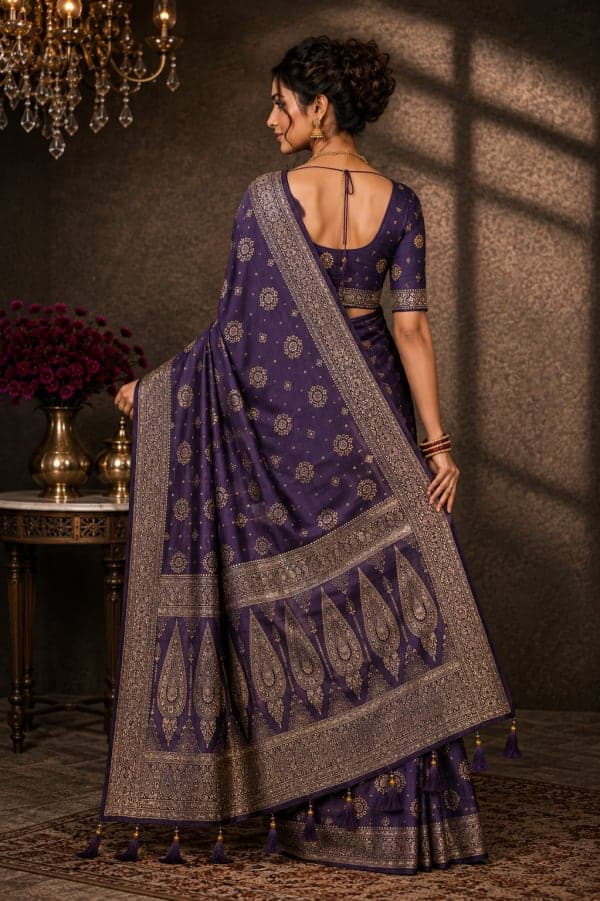
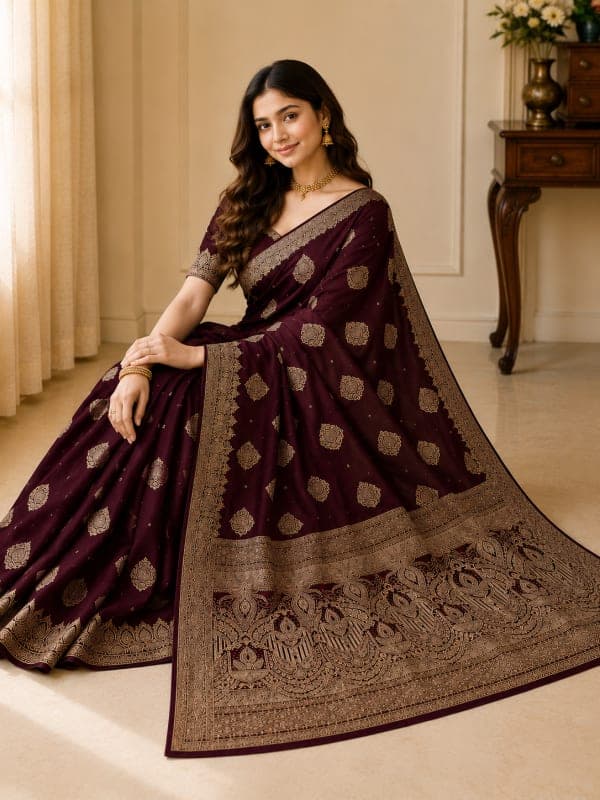
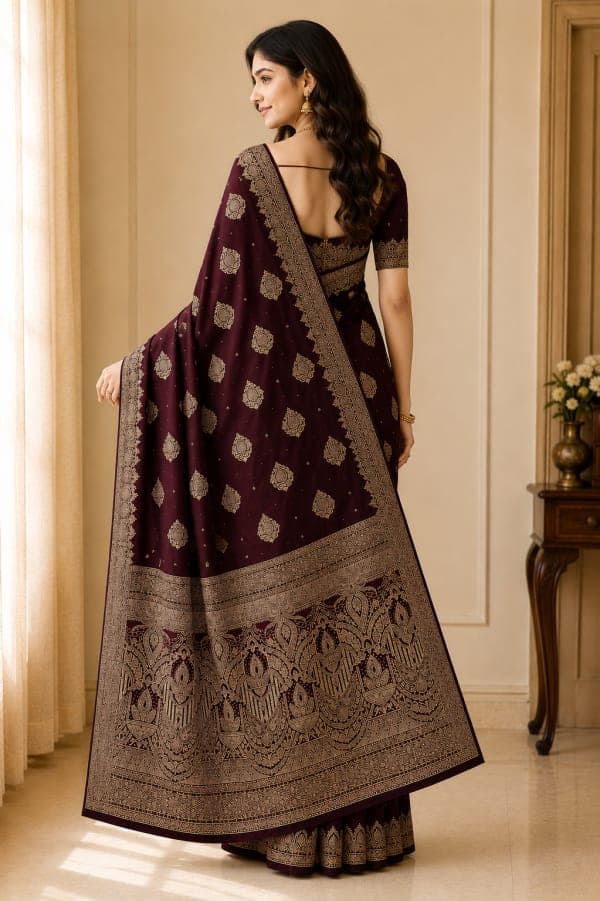
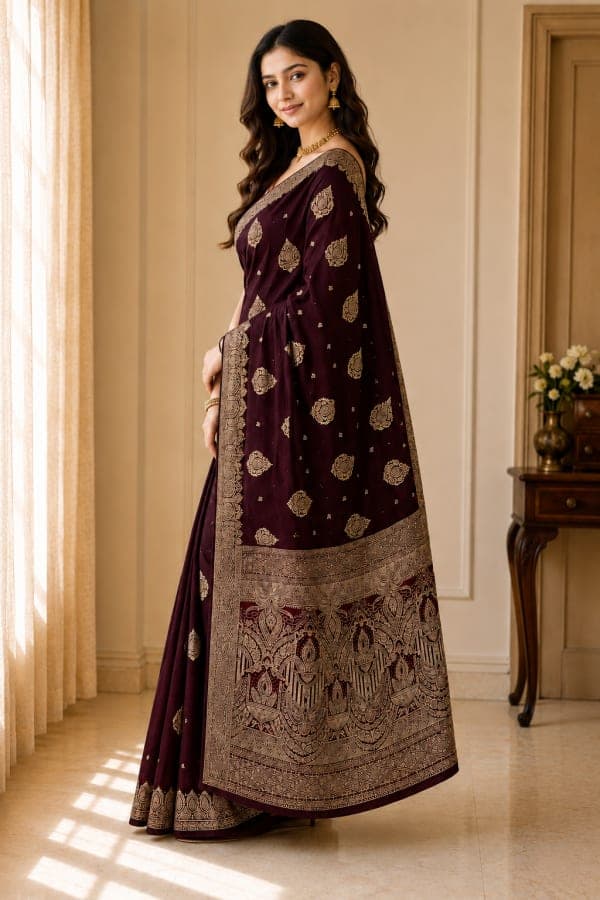
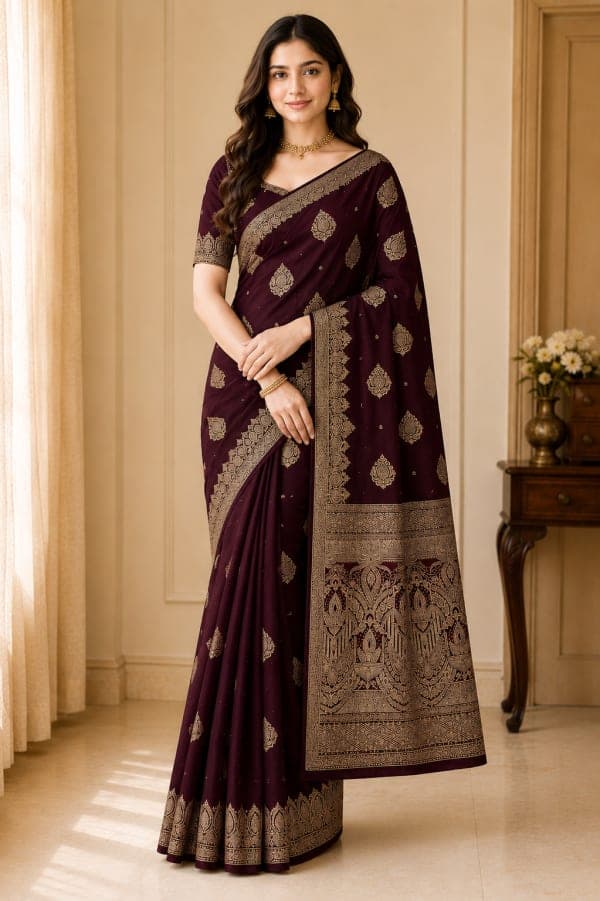
When buying a saree, most people naturally focus on its visible side. The colour, border, pallu, motifs and overall appearance usually determine the first impression. However, there is another important area that deserves attention: the reverse side of the saree.
The reverse side can provide useful information about the fabric's construction, weaving, embroidery and finishing. It may reveal loose threads, uneven stitching, poorly finished edges or details that are difficult to notice from the front.
This does not mean that every saree must have a perfectly clean reverse side. Traditional weaving and embroidery techniques can naturally produce visible thread floats, knots and other construction details. The objective is to understand what is normal for the particular technique and identify signs of careless finishing.
Whether you are purchasing a handwoven silk saree, an embroidered festive saree or a lightweight contemporary design, knowing how to inspect both sides can help you make a more informed decision.