Natural Dye vs Chemical Dye in Sarees: What Should Buyers Know?
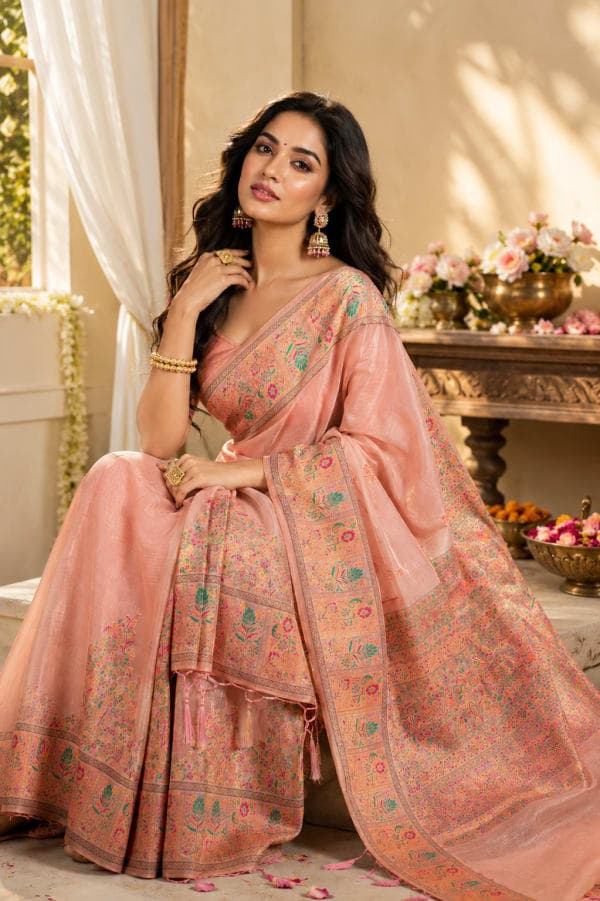
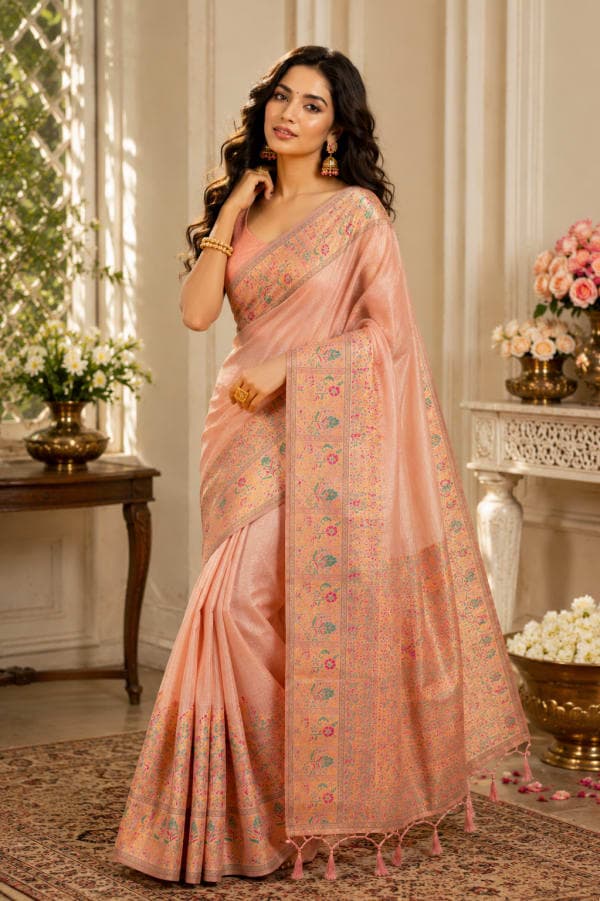
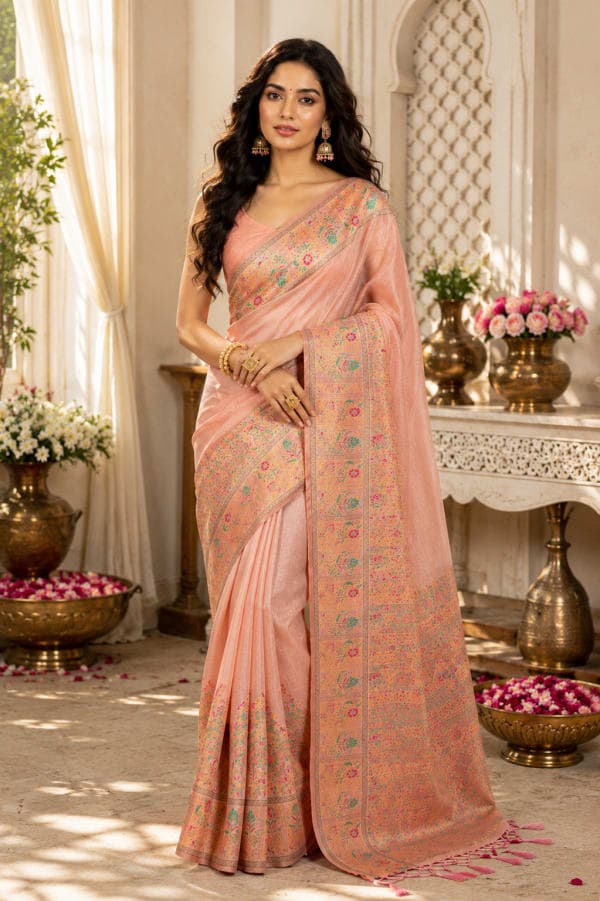
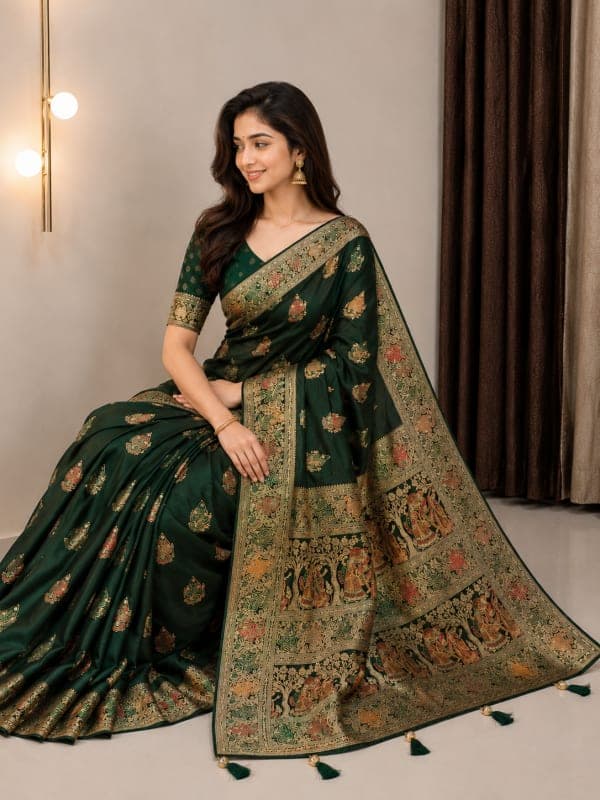
Colour is often the first thing that attracts someone to a saree. A deep indigo, muted rust, earthy brown, soft yellow or rich red can influence the entire appearance of a garment. Yet the colour itself does not tell you how it was produced.
Some sarees use colours derived from natural materials such as plants, roots, bark, flowers and other organic sources. Others use synthetic dyes developed for textile production. Both approaches have a place in the textile industry, and both require appropriate processing and quality control.
For buyers, the difference matters because dyeing can influence colour variation, maintenance requirements, production methods and the way a textile develops over time. It can also matter to people who are interested in traditional craft processes or want to understand the materials used in a garment.
However, natural does not automatically mean better, safer, more durable or environmentally harmless. Similarly, synthetic does not automatically mean poor quality. The result depends on the dye, fibre, preparation, application method, fixation, finishing and care.
This guide explains natural and synthetic dyes in sarees, how to understand product descriptions and what to ask before purchasing a naturally dyed textile.