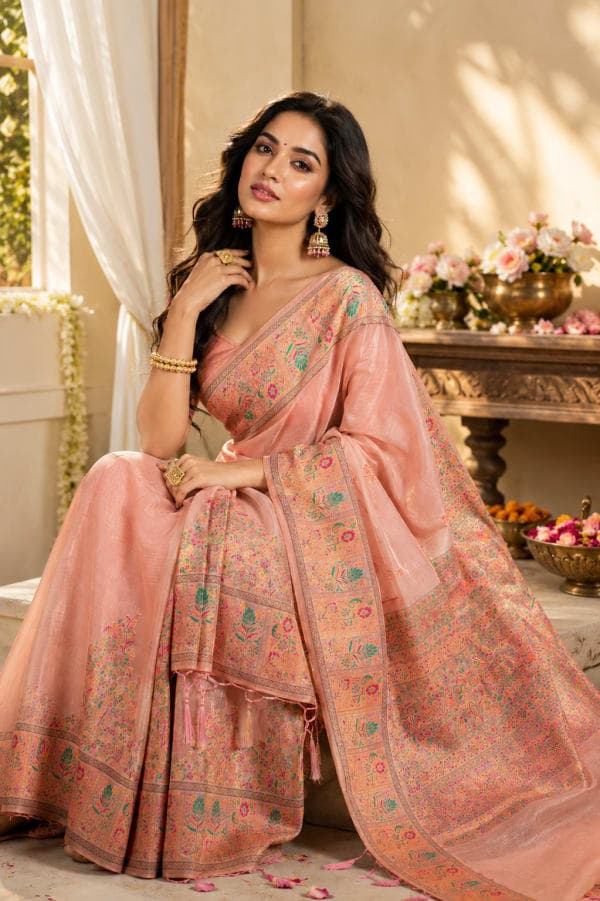
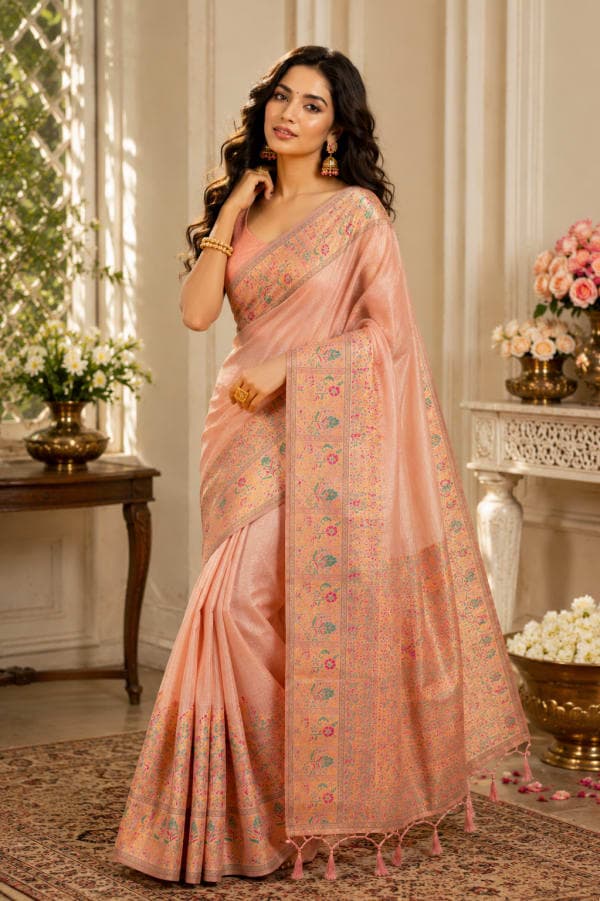
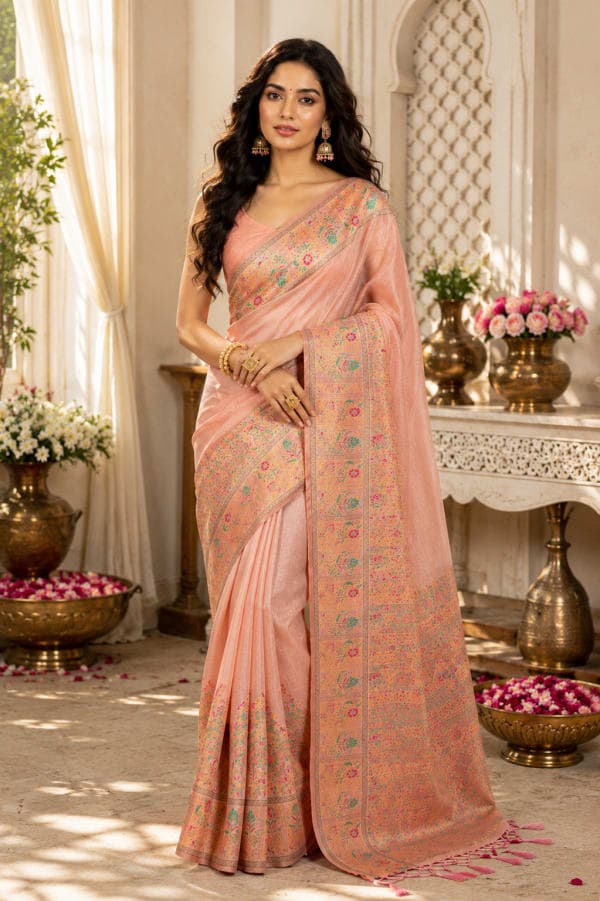
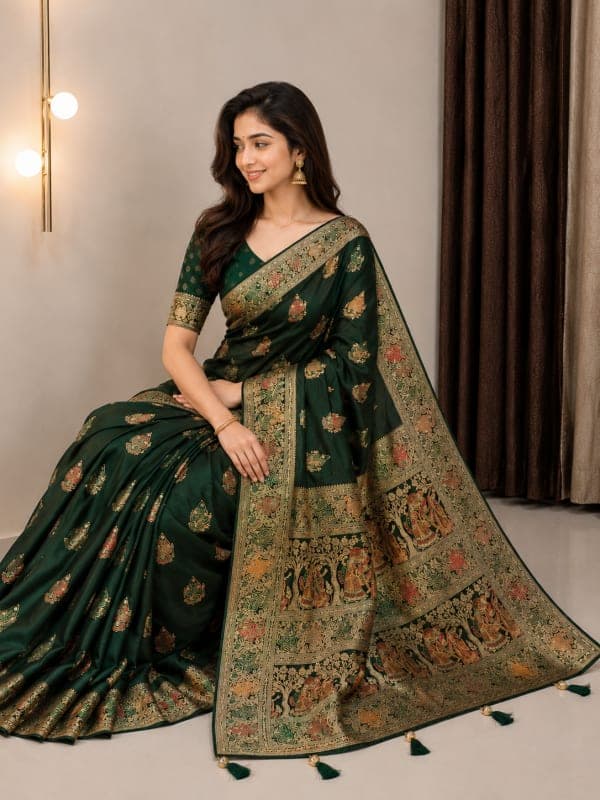
Saree Weave Density Explained: How Texture, Weight and Finish Affect Quality
When shopping for a saree, most buyers naturally focus on colour, design, border and price. Yet some of the most important characteristics are found in the fabric itself.
Two sarees can have similar colours and patterns but feel completely different when handled. One may have a firm structure and defined texture, while another may feel soft, fluid or lightweight. These differences can be influenced by fibre, yarn characteristics, weave construction, density and finishing.
One term that helps explain fabric construction is weave density.
Weave density describes how closely yarns are arranged within a woven fabric. It is one factor that influences the fabric's appearance, structure and performance. However, it should never be treated as a single score that determines whether a saree is good or bad.
A lightweight saree is not necessarily poorly made. A dense saree is not automatically superior. Different weaving traditions and fabric types are designed to create different results.
Understanding these distinctions helps buyers make more informed decisions, particularly when comparing silk, cotton, organza, tissue and other woven sarees.