Shibori Sarees: Japanese Resist-Dyeing Techniques, Patterns and Modern Indian Styling
Traditional textile techniques are not limited to one country or one type of clothing. Some methods travel across cultures and inspire new interpretations in contemporary fashion.
Shibori is a Japanese resist-dyeing tradition that creates patterns by manipulating fabric before dyeing. The cloth may be tied, stitched, folded, compressed or wrapped so that selected areas resist the colour.
The result can include circular patterns, irregular lines, repeated shapes and textured designs.
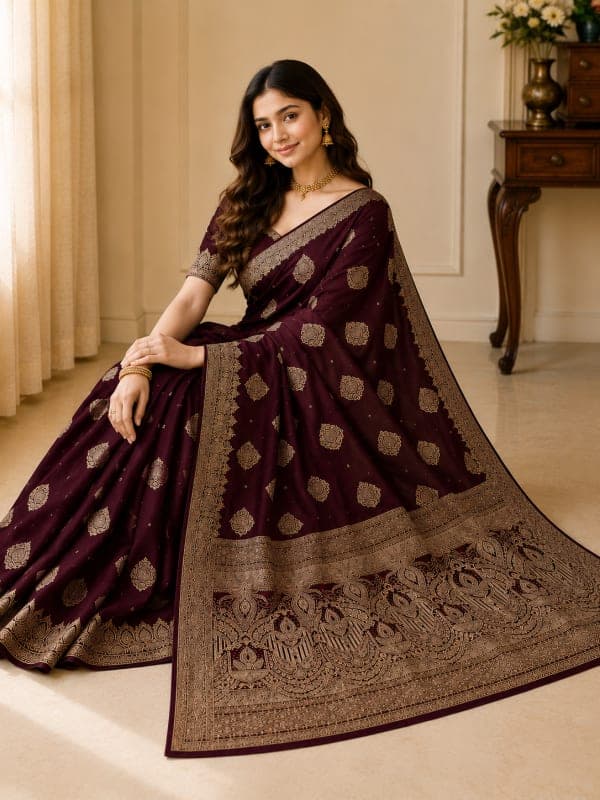
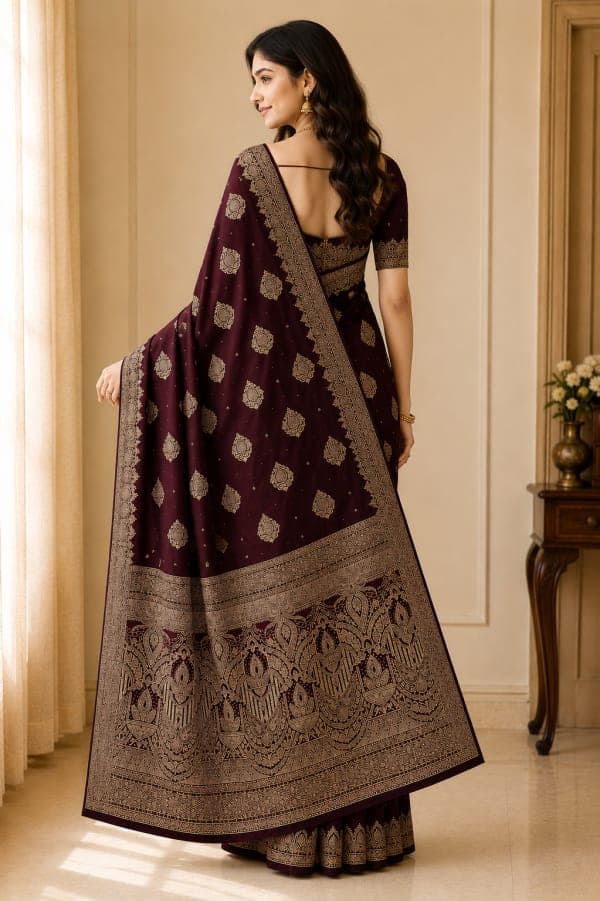
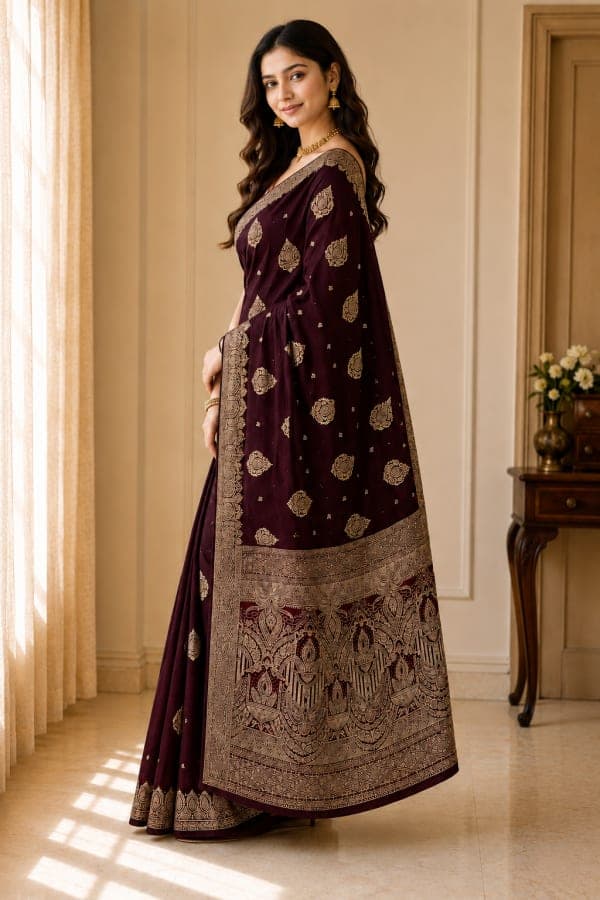
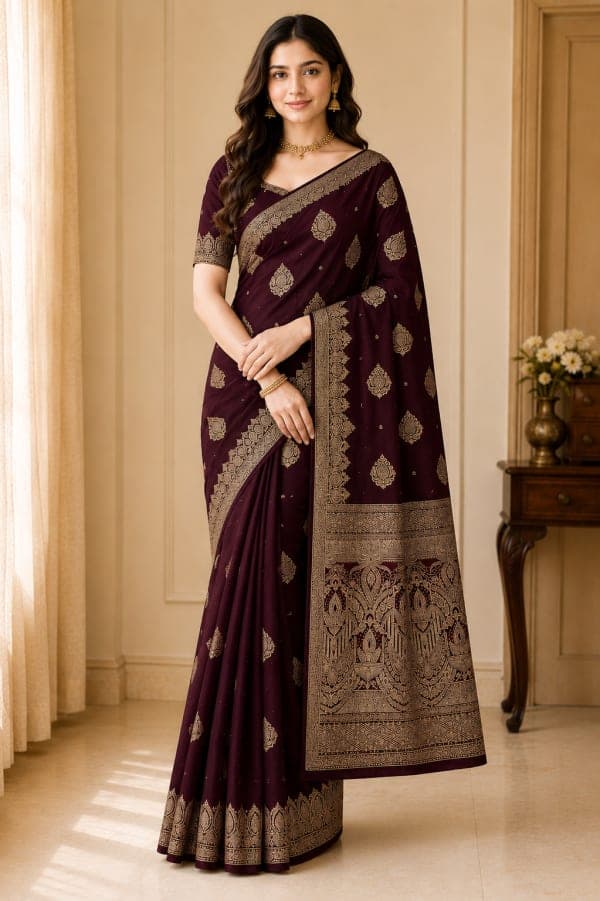
Shibori-inspired sarees bring this distinctive surface treatment into Indian dressing. They can appeal to women who prefer artistic patterns and contemporary colour combinations over conventional woven motifs.
However, Shibori is not simply a synonym for every tie-dyed textile. It includes multiple methods, each producing different results.
This guide explains Shibori, its techniques, how to identify different patterns and what to consider when purchasing a Shibori saree.