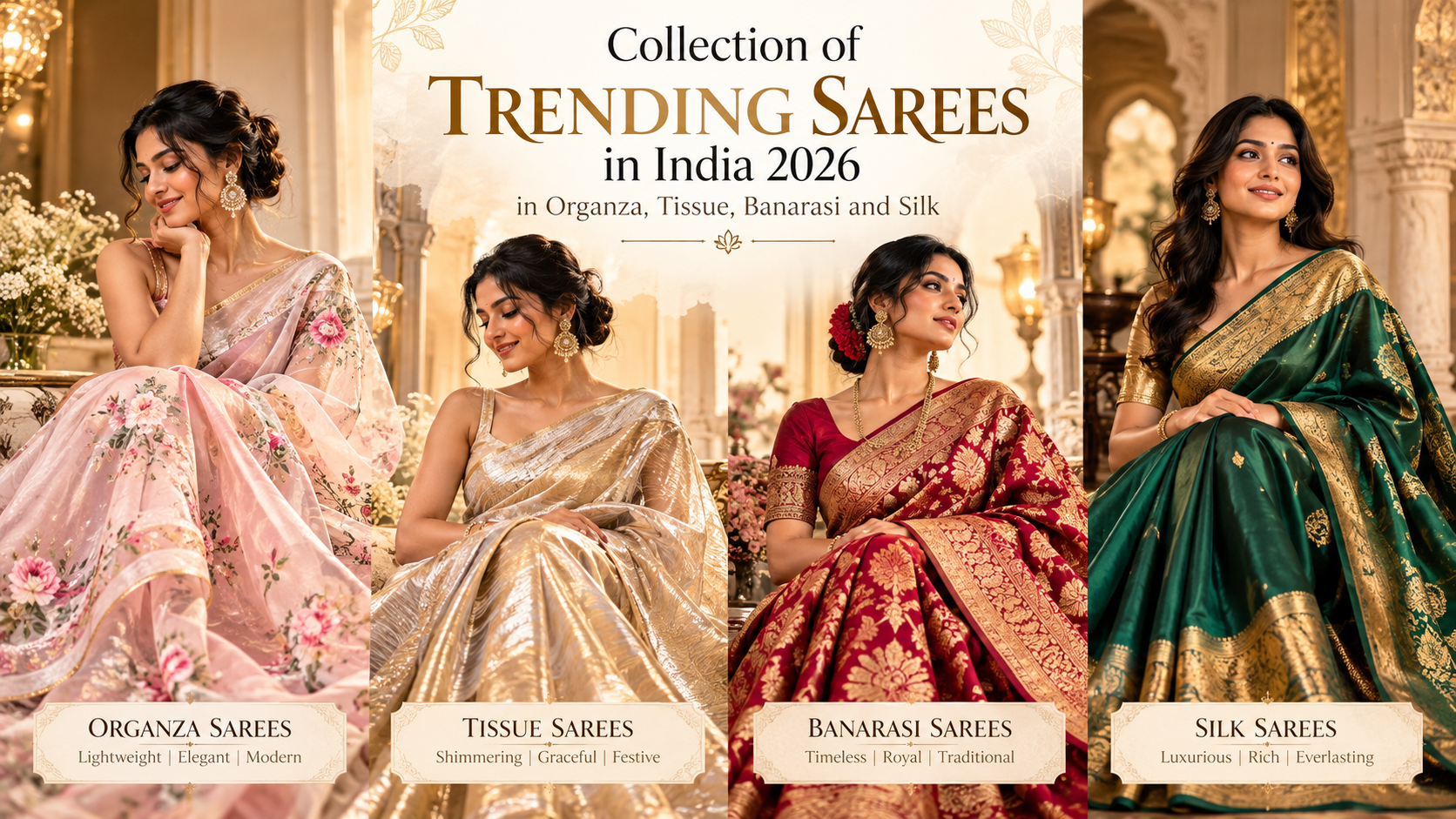
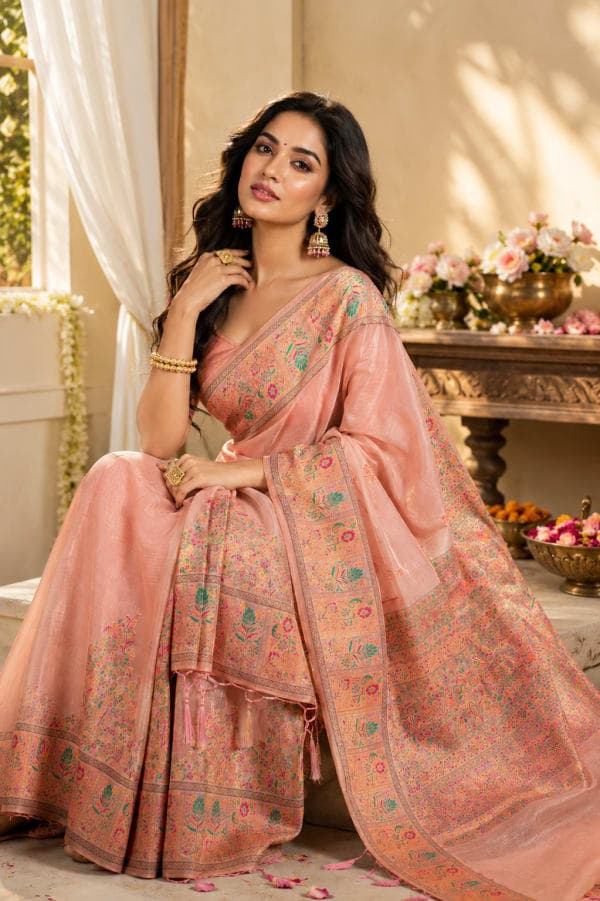
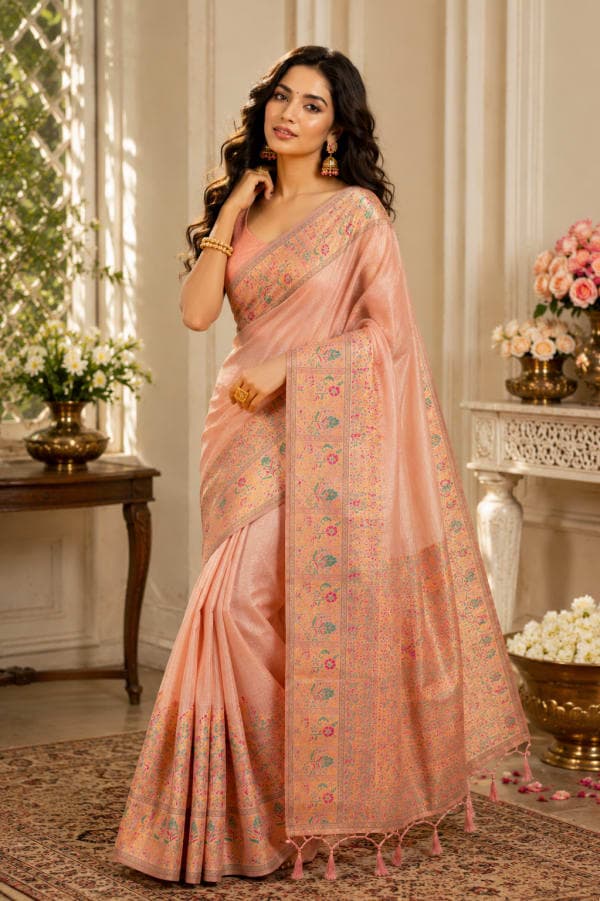
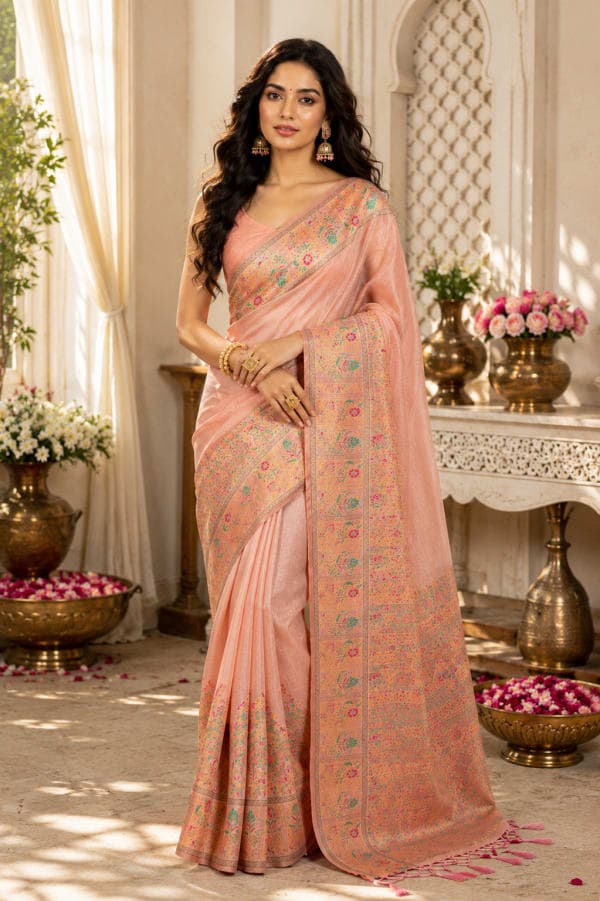
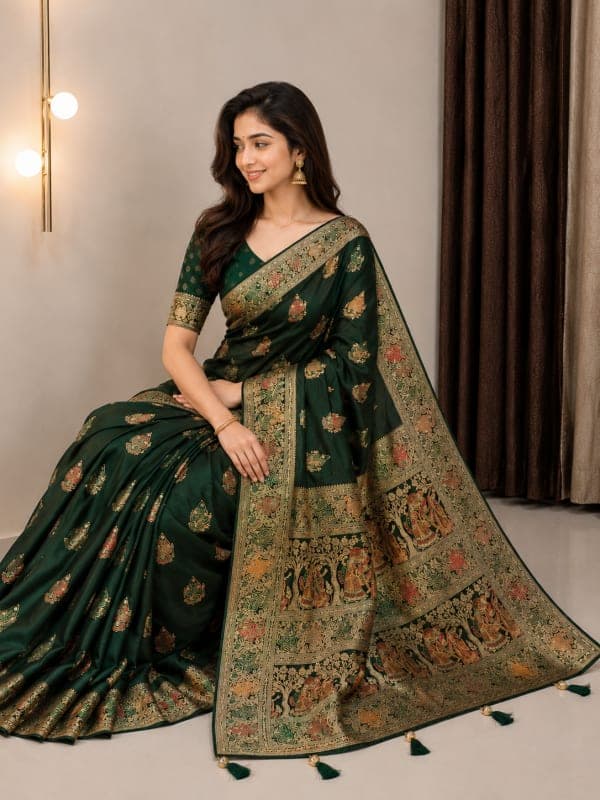
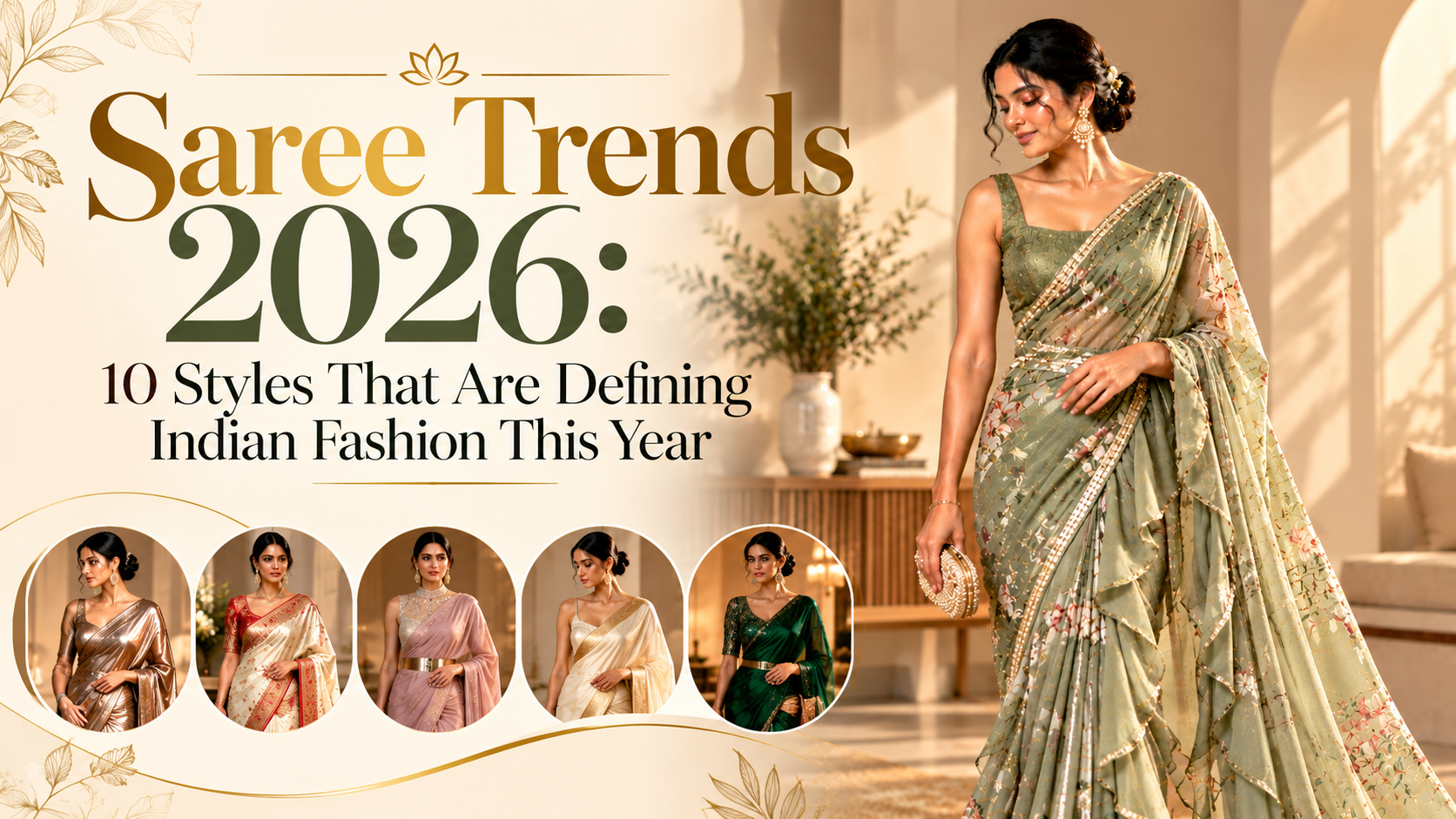
Saree Trends 2026: 10 Styles That Are Defining Indian Fashion This Year
From pre-draped silhouettes and metallic tissue to lighter silks and statement blouses, discover the saree styles shaping Indian fashion in 2026.
Read Article

Luxury Saree Atelier

The saree trend in 2026 is moving toward a combination of traditional craftsmanship, lighter fabrics and easier styling.
Ten years ago, many women bought one heavy saree for a wedding and kept it in the cupboard for the next big function. Today, the thinking is different. Women want a saree that looks beautiful, feels light, is easy to drape and can be worn again with a new blouse and new jewellery. At the same time, the love for heritage weaves like Banarasi, Kanjivaram, Patola and Chanderi has not gone anywhere. The two ideas now sit together: old craft, new comfort.
Current fashion coverage repeatedly highlights organza, tissue, pre-draped formats, modern silhouettes and heritage weaves.
This guide is written so you can read it slowly and decide properly. For each of the 15 styles, you will get:
| Trend | Look and feel | Best for | Comfort level |
|---|---|---|---|
| Pre-draped saree | Ready pleats, quick to wear | Parties, beginners | Very high |
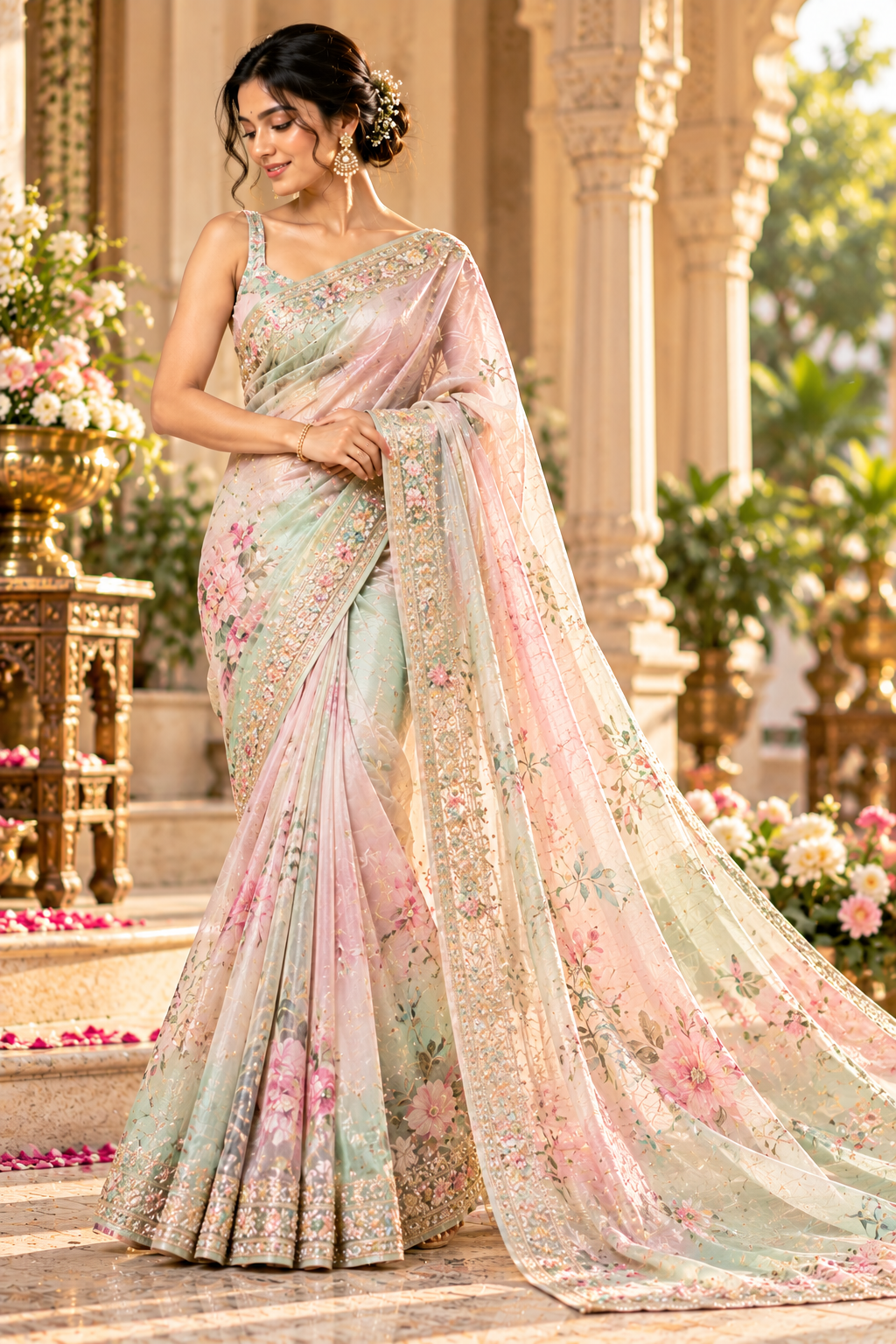
| Organza saree | Sheer, light, structured | Day functions | High |
| Tissue saree | Soft metallic glow | Weddings, festive evenings | High |
| Lightweight silk | Rich look, easy weight | Family functions | High |
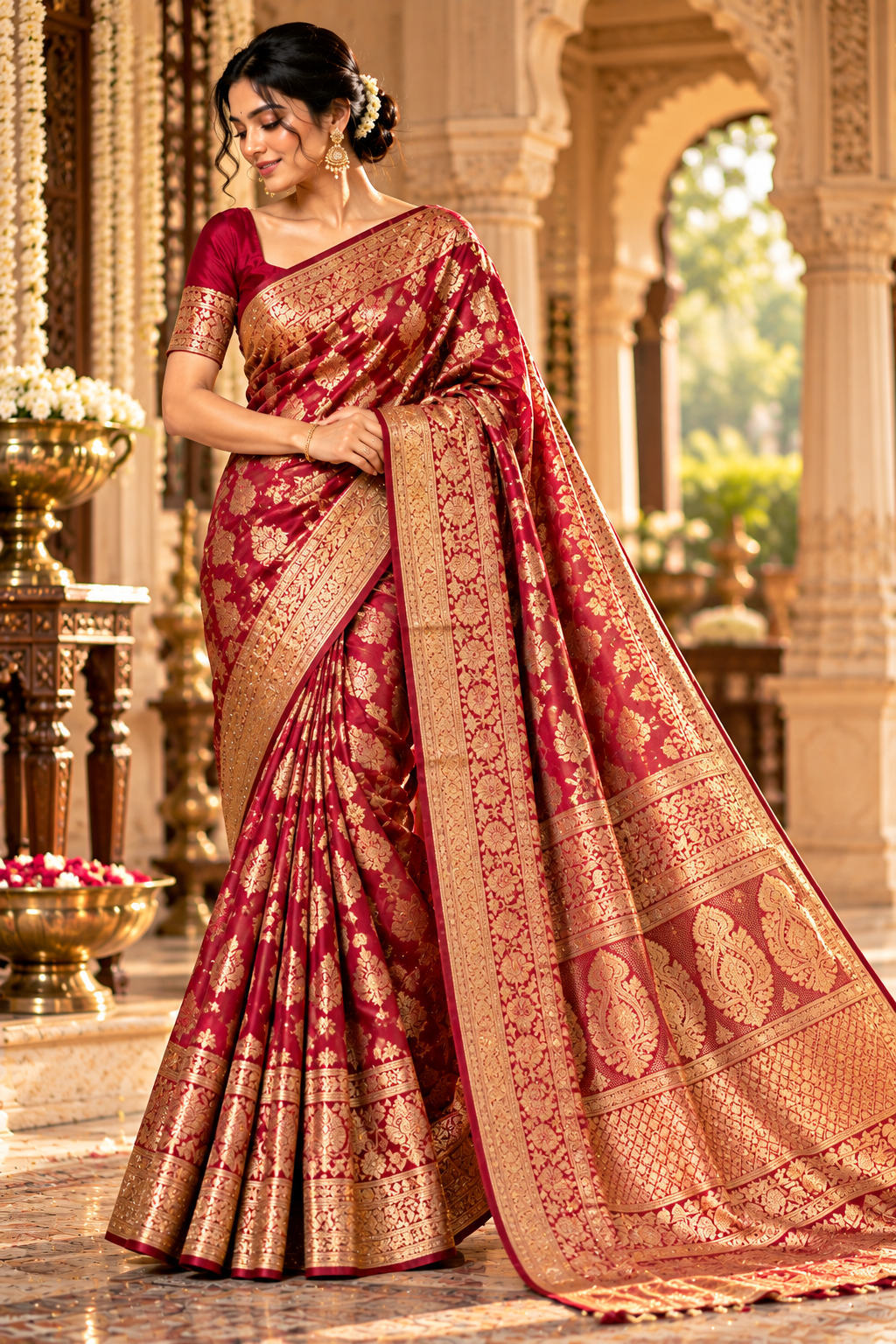
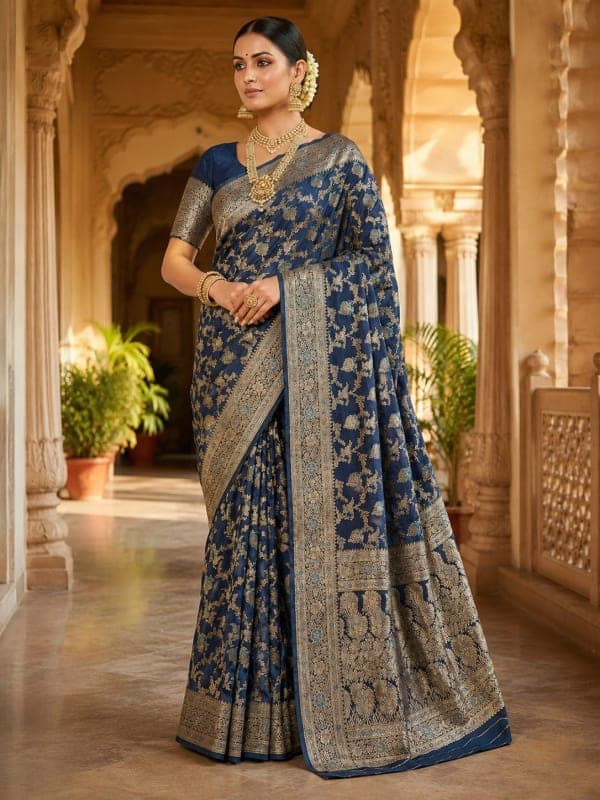
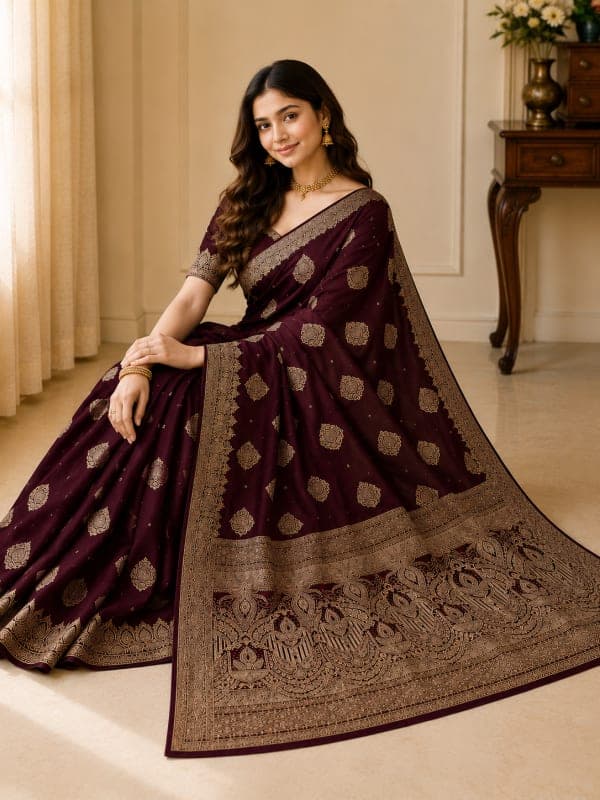
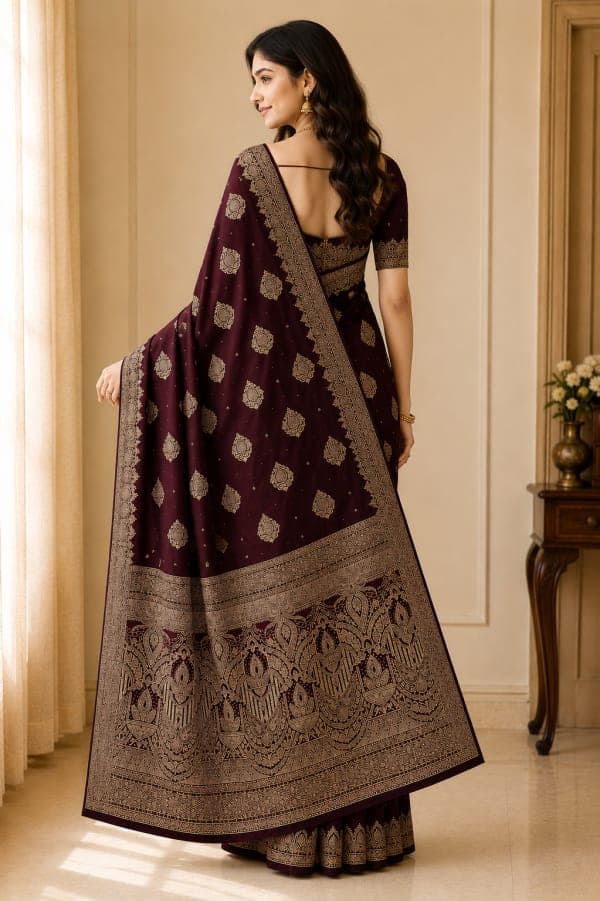
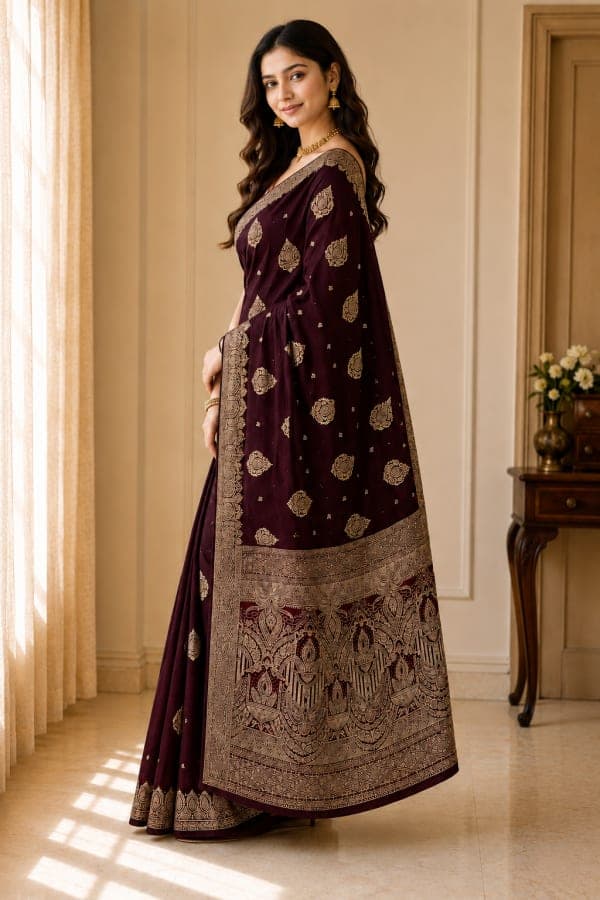
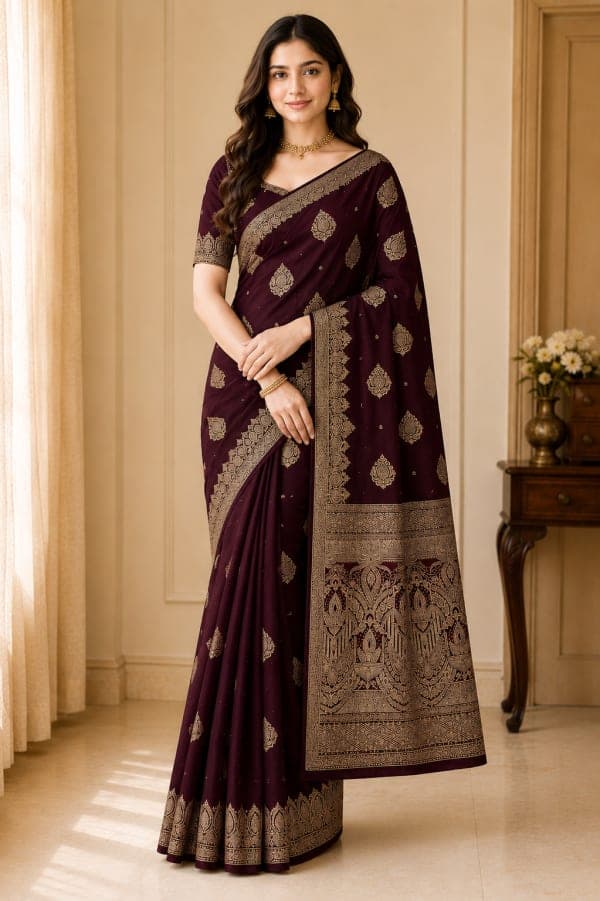
| Banarasi saree | Brocade, zari, grand | Weddings, festivals | Medium |
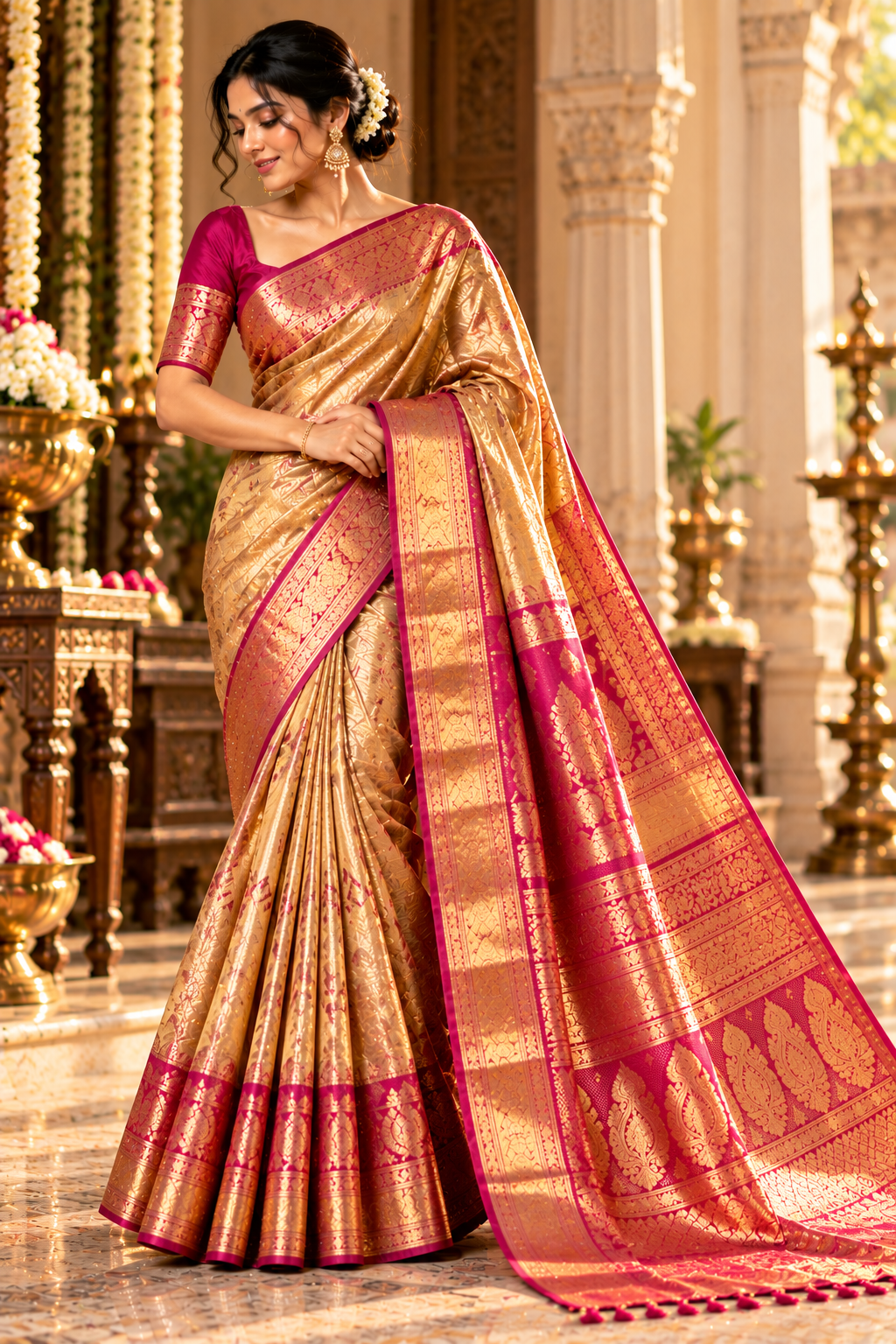
| Kanjivaram saree | Heavy silk, bold borders | Traditional ceremonies | Medium |
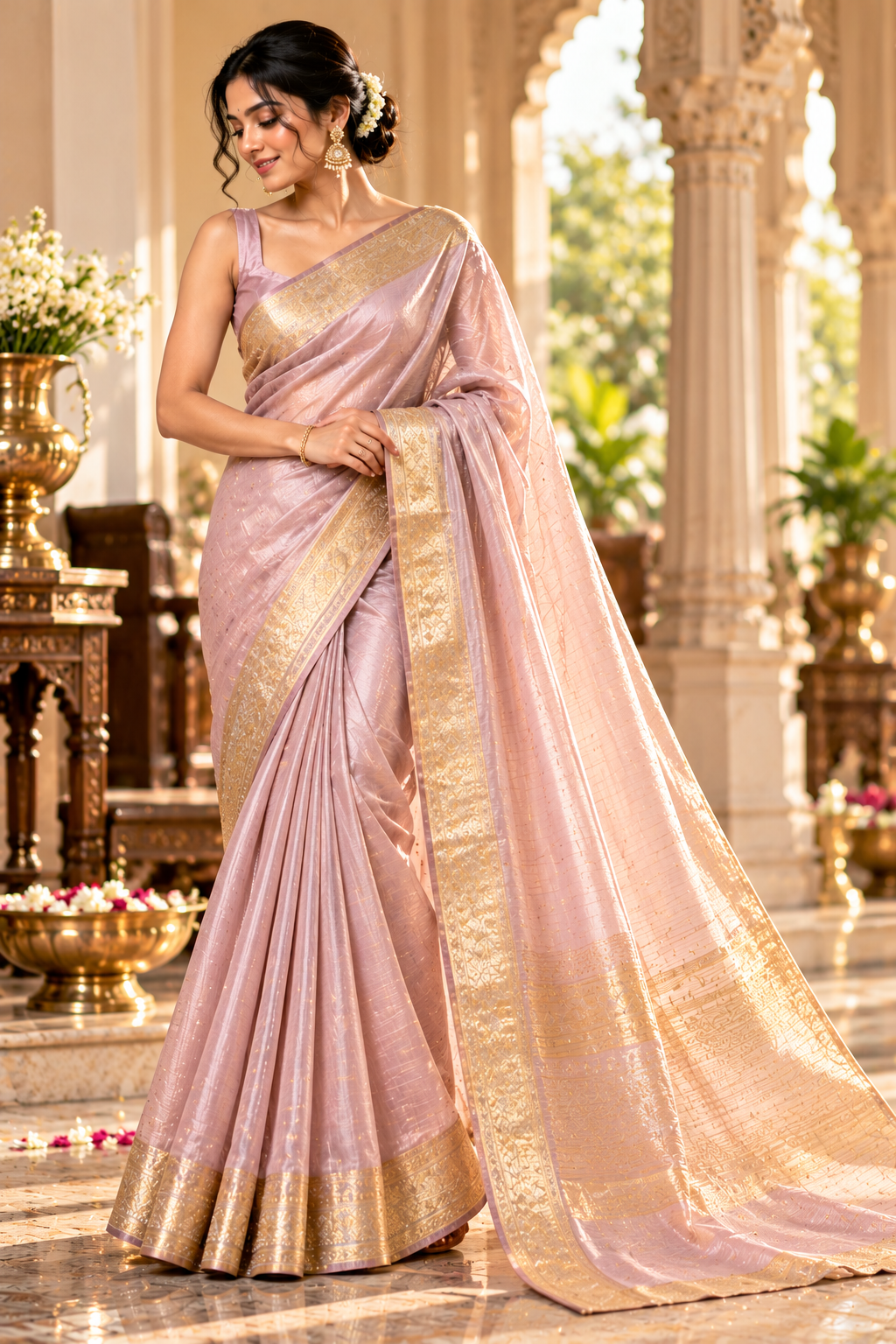
| Pastel saree | Soft, fresh colours | Daytime events | High |
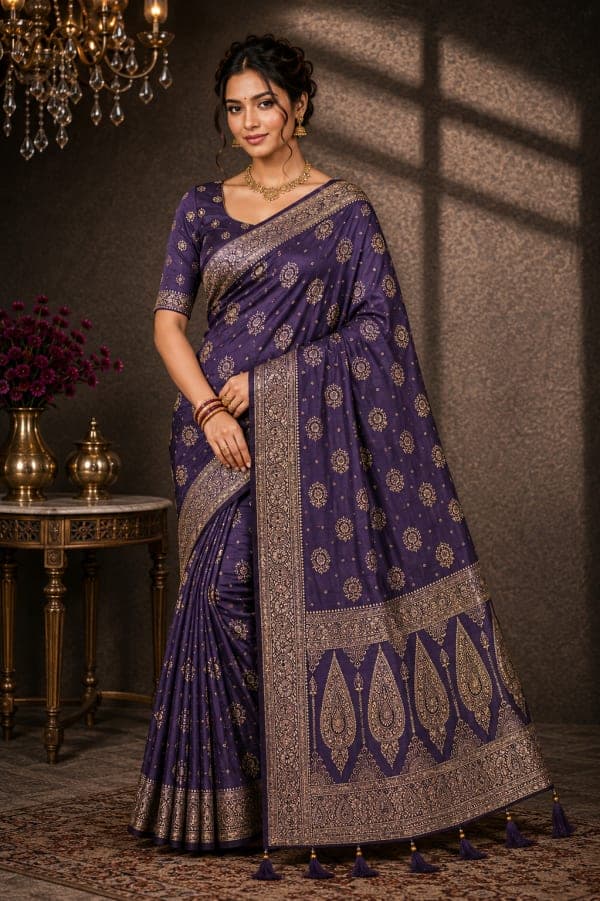
| Jewel-tone saree | Deep, rich colours | Evening events | High |
| Belted saree | Defined waist, modern | Parties, receptions | High |
| Pant-style saree | Easy movement, bold | Cocktail, sangeet | Very high |
| Statement blouse | Changes the whole look | Weddings, parties | Depends on fit |
| Metallic saree | Shiny, glamorous | Evening events | Medium to high |
| Minimal silk saree | Simple, elegant | Office festive, dinners | High |
| Regional weaves | Heritage, handloom | Festivals, gifting | Medium to high |
| Rewearable saree | Versatile, practical | Everything | High |

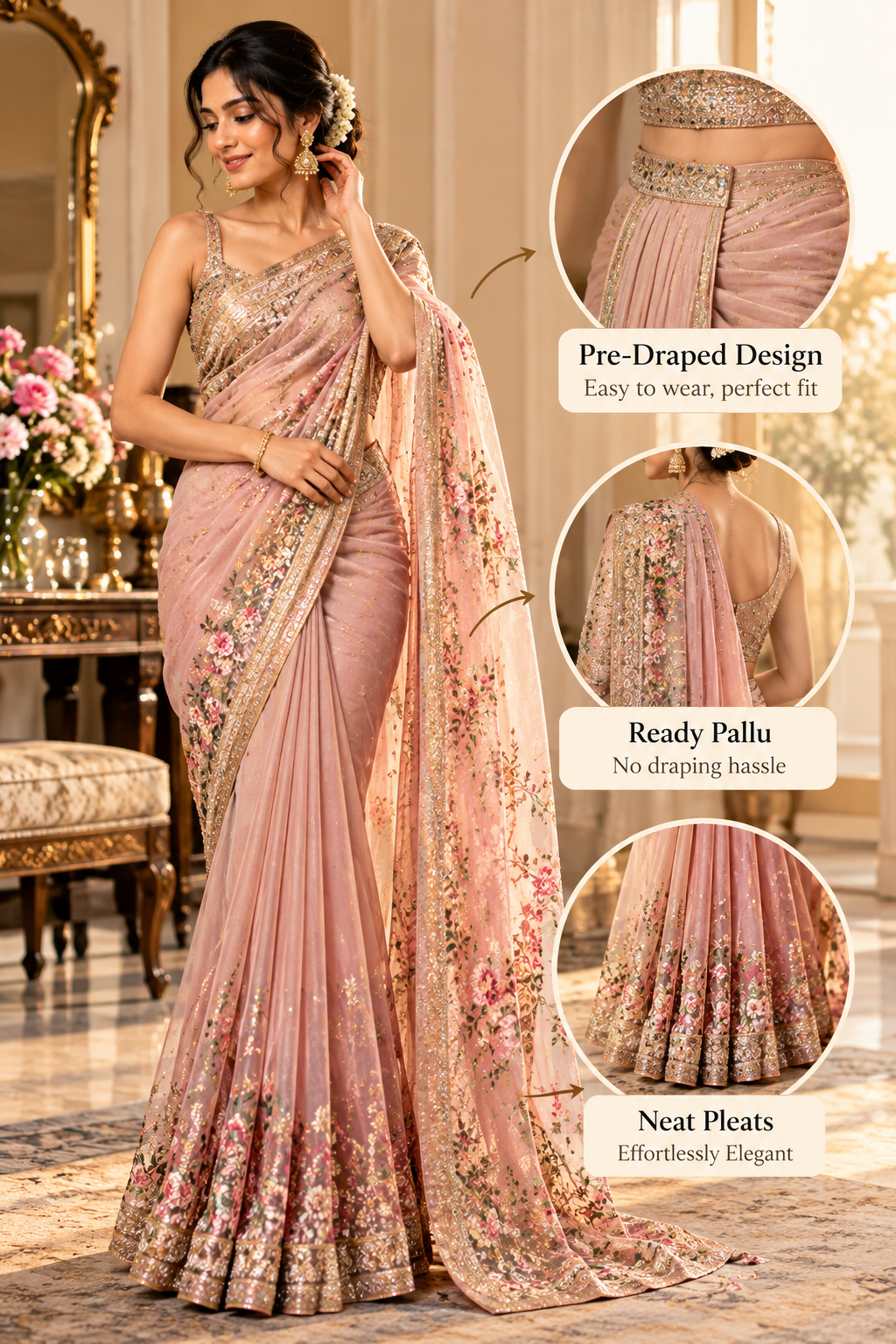
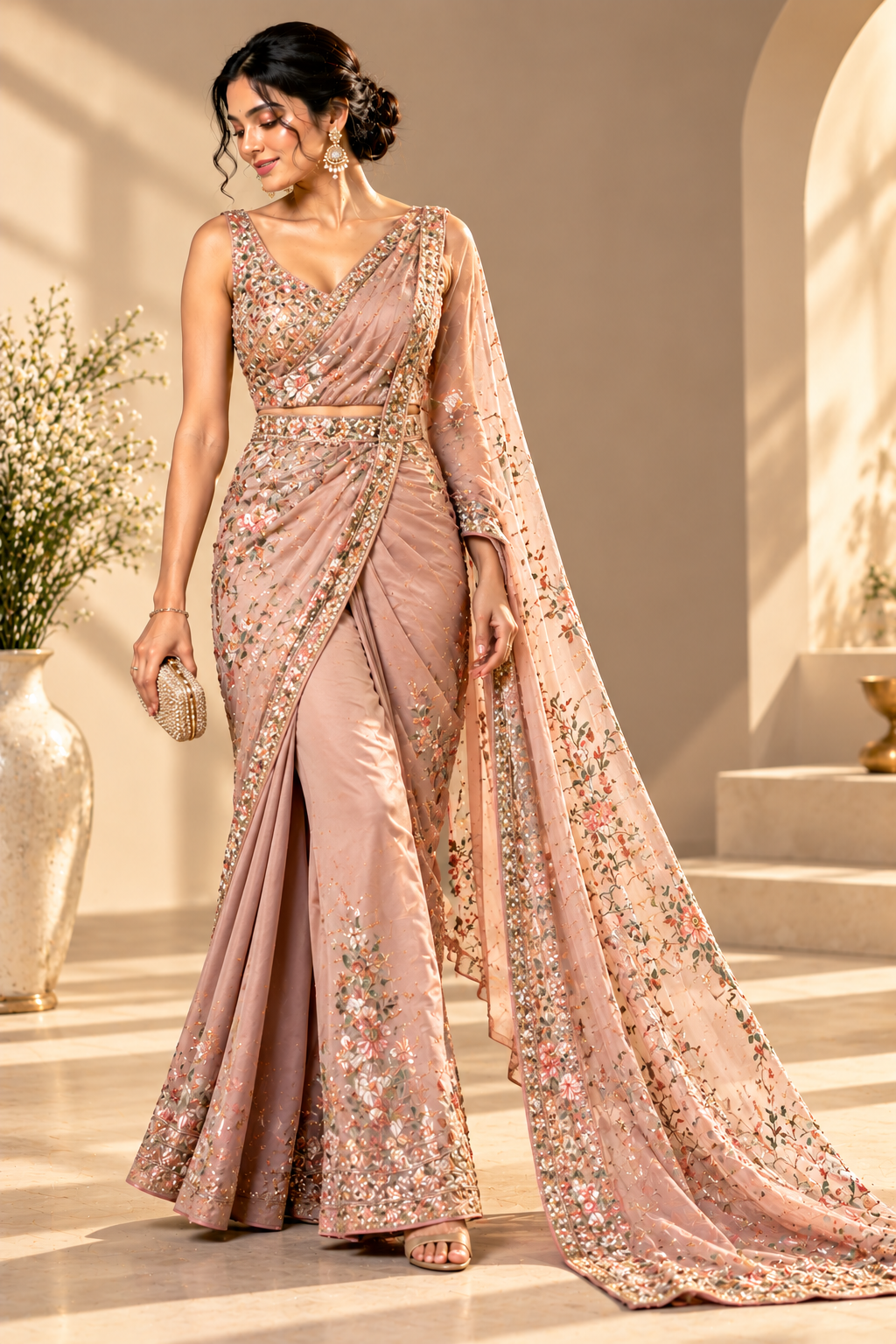
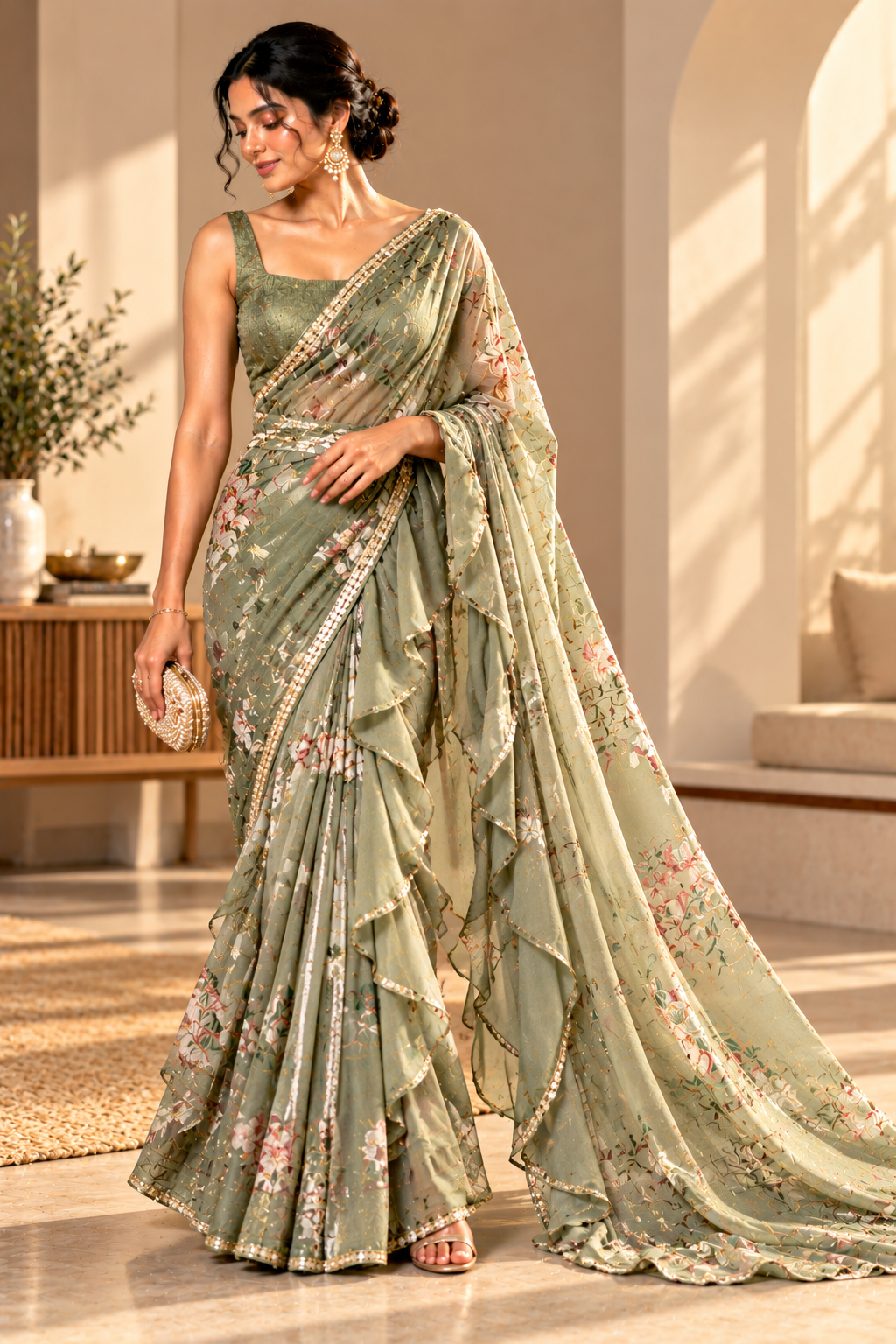
In simple words: A pre-draped saree has the pleats and pallu already set for you. You step into it like a skirt, fix the pallu on your shoulder and you are ready. It is designed for easier styling and controlled pleats.
Why it is trending:
Fabric and feel: Georgette, satin, crepe, organza and silk blends are common. A fabric with some body holds pleats better than a very slippery one.
Colours and prints: Solid colours and light embroidery look best because the pleats stay clean. Black, wine, navy, emerald, champagne, blush and ivory are popular.
Best occasions: Cocktail parties, sangeet, receptions, farewell parties, office events and any day when you want a saree without waiting for a drape.
Who should choose it:
Who should think twice: If you love the personal, handmade feel of a traditional drape, or want to adjust the pleats and fall yourself, a regular saree may feel more natural.
How to style it:
Check before buying:
Care tip: Follow the label. Hang it on a padded hanger so the pleats stay in shape.

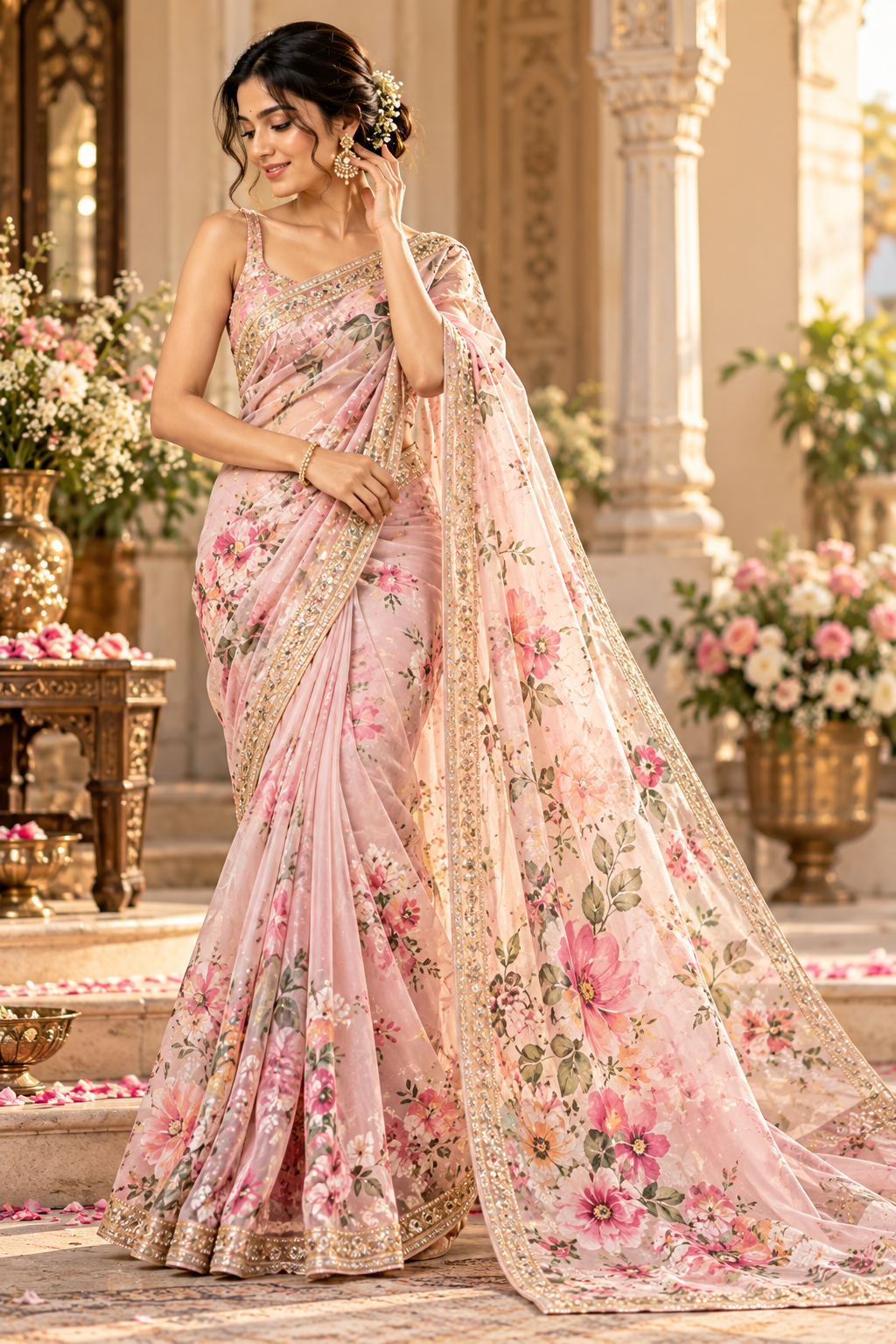
In simple words: Organza is a thin, sheer fabric with a slightly crisp feel. Because of that crispness, the saree holds a graceful, structured drape instead of falling flat. Organza sarees are popular for their structured appearance and photogenic texture.
Why it is trending:
Fabric and feel: Light, airy and slightly stiff. It can feel delicate, so handle it with care and avoid rough jewellery.
Colours and prints: Pastels, ivory, peach, mint, lavender, powder blue and soft pink. Florals and thread embroidery are very common.
Best occasions: Day weddings, haldi, mehendi, engagement, festive lunches, baby showers and summer events.
Who should choose it:
Who should think twice: If you feel uncomfortable in sheer fabrics, or if you do not like the feel of crisp fabric on bare skin, try a softer organza or a silk-organza blend.
How to style it:
Check before buying:
Care tip: Dry clean whenever possible. Store folded in muslin or soft paper to avoid sharp crease lines.

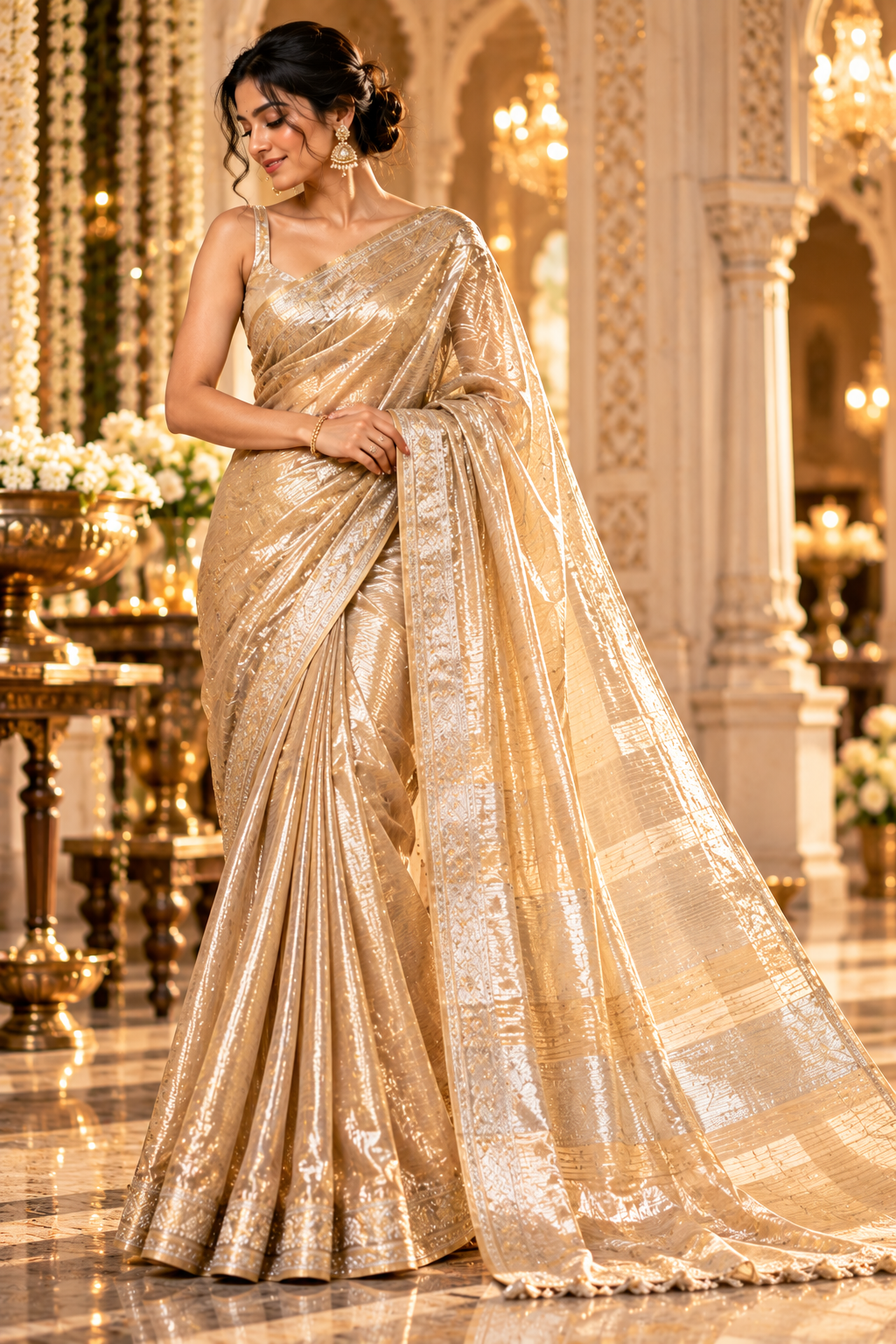
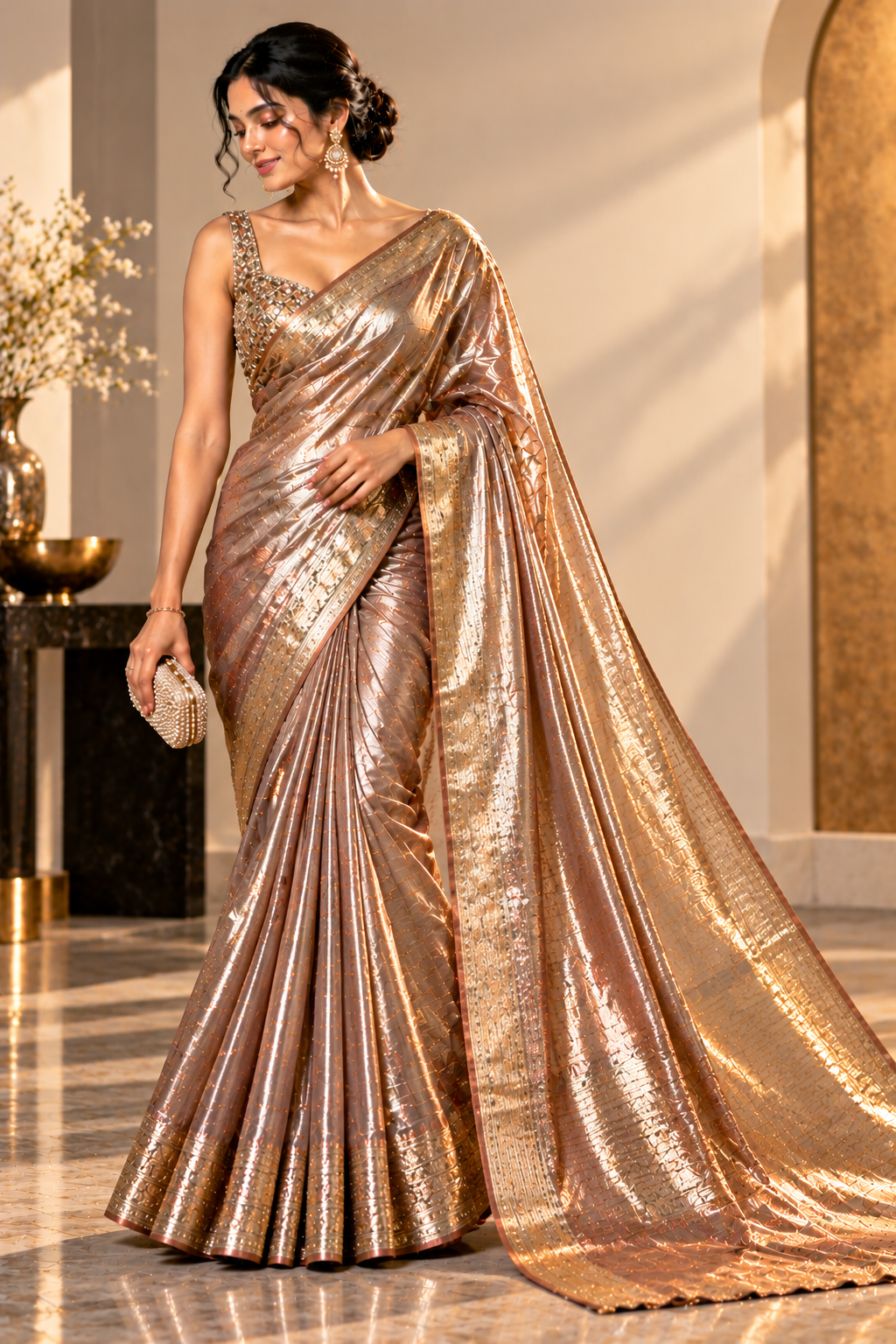
In simple words: Tissue sarees are woven with fine metallic thread that gives the fabric a glowing, almost liquid shine. They are known for their metallic or luminous finish.
Why it is trending:
Fabric and feel: Very light and slightly glossy. It has a gentle crispness, similar to organza but with more shine.
Colours and prints: Gold, silver, rose gold, champagne, ivory, pastel pink and sky blue. Many have simple borders or small woven motifs.
Best occasions: Weddings, festive evenings, Diwali gatherings, receptions and engagement functions.
Who should choose it:
Who should think twice: If you prefer a completely matte, soft look, tissue may feel too shiny. A matte silk may be a better choice.
How to style it:
Check before buying:
Care tip: Dry clean only. Keep it away from rough surfaces that can snag the fabric.

In simple words: These are silk or silk-blend sarees with a lighter weave, so you get the rich, traditional look without the weight of some heavier ceremonial silks.
Why it is trending:
Fabric and feel: Soft, fluid and comfortable on the shoulder. Good silk should feel smooth and not rough.
Colours and prints: Pastel pink, mint, sky blue, mustard, maroon, bottle green and classic gold. Small motifs, checks and slim borders are common.
Best occasions: Family functions, festivals, pooja, office festive days, small weddings and gifting.
Who should choose it:
Who should think twice: If you want a very grand bridal look, you may prefer a heavier Banarasi or Kanjivaram.
How to style it:
Check before buying:
Care tip: Dry clean. Air it in shade after wearing and avoid spraying perfume directly on the fabric.

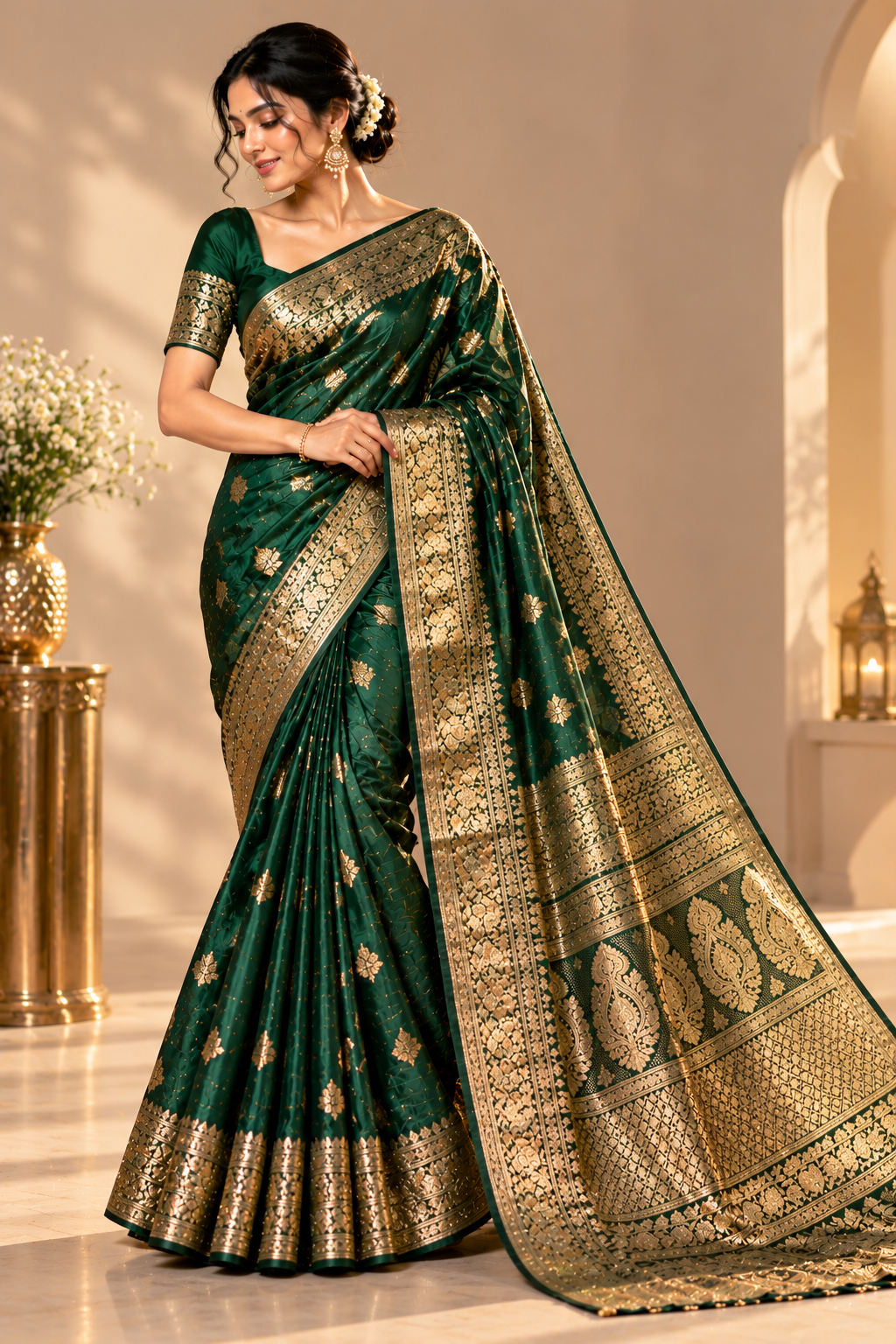
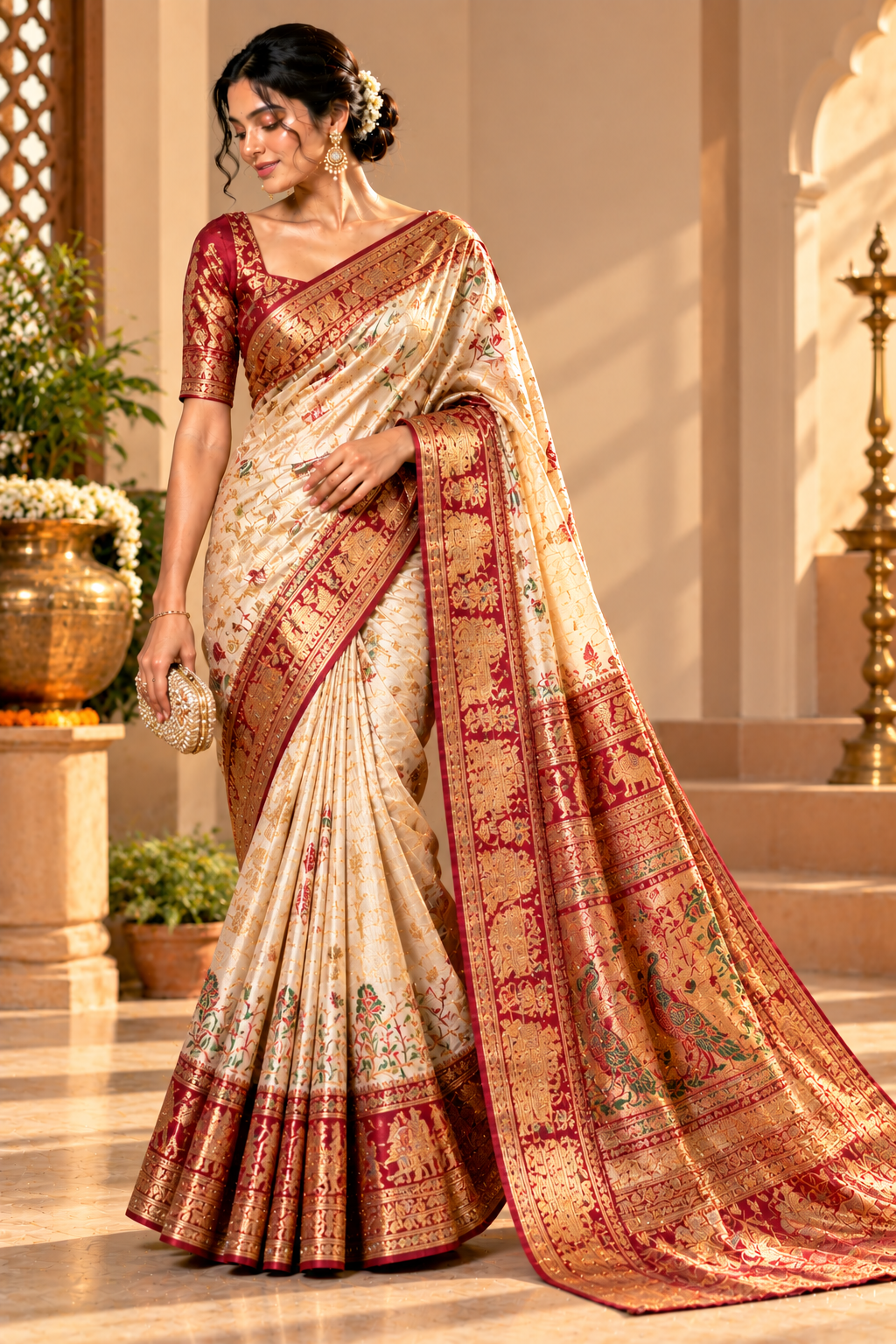
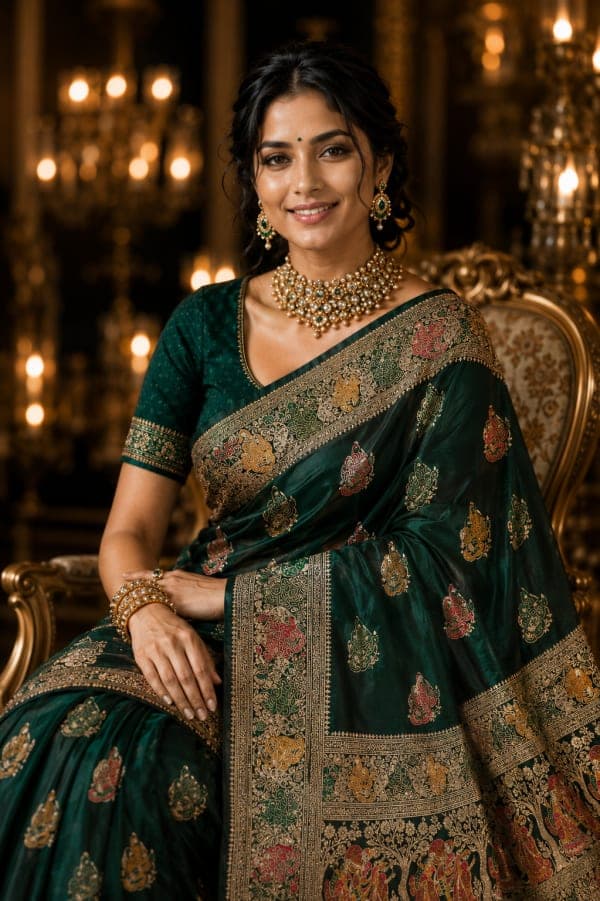
In simple words: A Banarasi saree comes from Varanasi and is known for fine brocade, zari work and detailed motifs. Heritage weaving remains relevant for weddings and festive events.
Why it is trending:
Fabric and feel: Rich and structured. Pure Banarasi can be heavy, while lighter versions feel softer and easier to carry.
Colours and prints: Red, maroon, royal blue, bottle green, pink, gold and ivory. Typical motifs include florals, vines and traditional patterns.
Best occasions: Weddings, engagement, festivals and special family ceremonies.
Who should choose it:
Who should think twice: If the event is long and hot, or if you are not used to heavy sarees, choose a lighter Banarasi or a different fabric.
How to style it:
Check before buying:
Care tip: Dry clean only. Store folded in cotton cloth and refold regularly to protect the zari lines.

In simple words: Kanjivaram sarees come from Tamil Nadu and are woven in rich, durable silk with bold colours and temple-inspired borders. They remain important for traditional ceremonies.
Why it is trending:
Fabric and feel: Heavy, rich and durable. It has a firm drape that looks very grand when pleated well.
Colours and prints: Deep green, maroon, mustard, purple, royal blue and strong contrast borders in gold.
Best occasions: Weddings, pooja, festivals and traditional ceremonies.
Who should choose it:
Who should think twice: Because of the weight, it may feel tiring in very hot weather or in long travel. Plan your drape carefully.
How to style it:
Check before buying:
Care tip: Dry clean. Store separately and air it a few times a year.

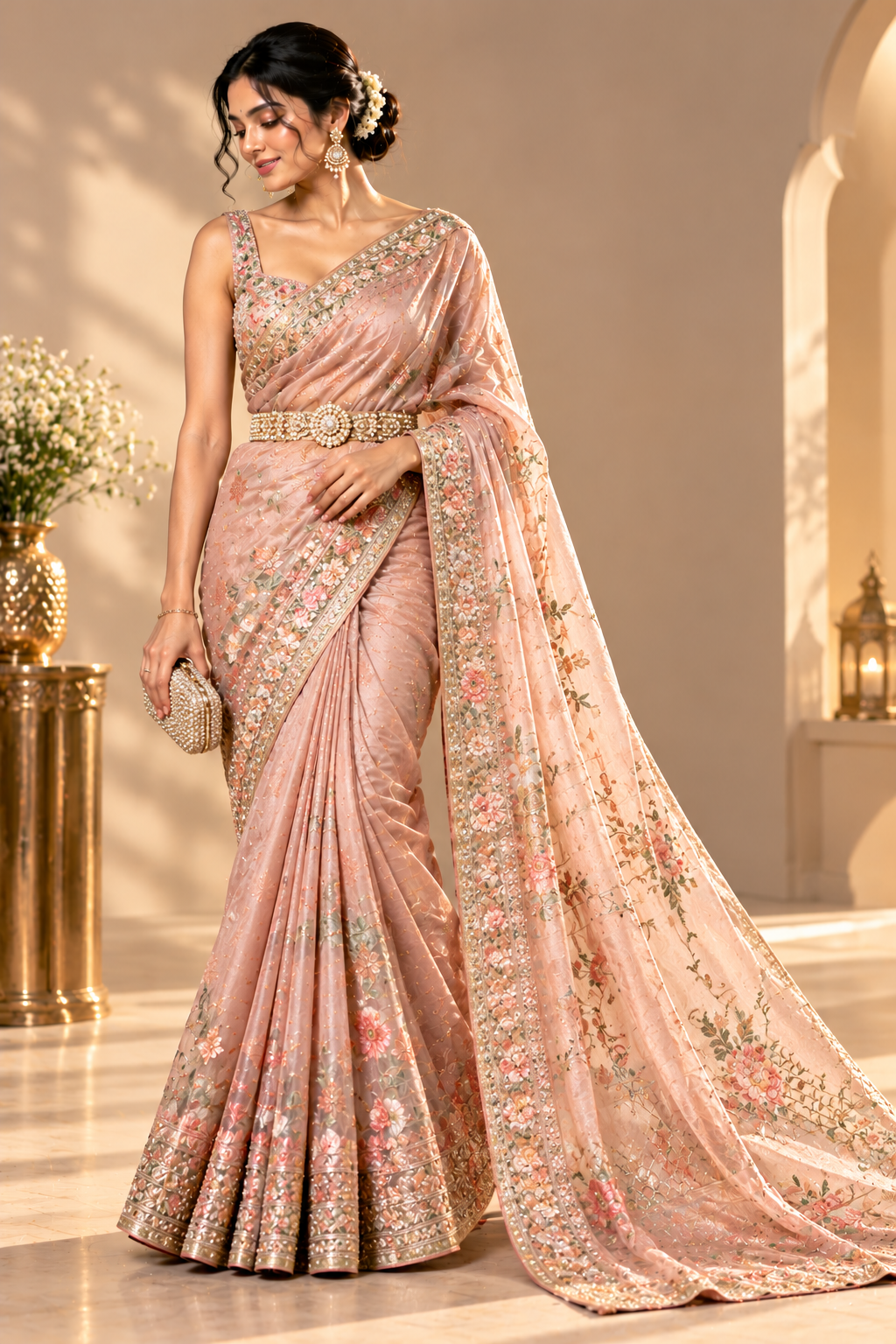
In simple words: Pastel sarees come in soft shades like mint, lavender, powder blue, blush and ivory. They offer softer alternatives to the strong reds and golds many people expect at celebrations.
Why it is trending:
Fabric and feel: Depends on the fabric. Organza, georgette, chiffon, silk and Chanderi are all common.
Colours and prints: Mint, lavender, powder blue, blush, peach, lemon, sage and ivory. Small florals and delicate embroidery are popular.
Best occasions: Day functions, engagement, brunches, summer weddings and festive lunches.
Who should choose it:
Who should think twice: Very light shades can show stains easily. If you will be eating and moving a lot, pick a shade with a slight tone or a print.
How to style it:
Check before buying:
Care tip: Avoid long exposure to direct sunlight, which can fade delicate shades.

In simple words: Jewel-tone sarees come in deep, rich colours such as emerald, wine, plum, navy and sapphire. They create richer evening looks.
Why it is trending:
Fabric and feel: Silk, satin, velvet, georgette and tissue all work well in jewel tones.
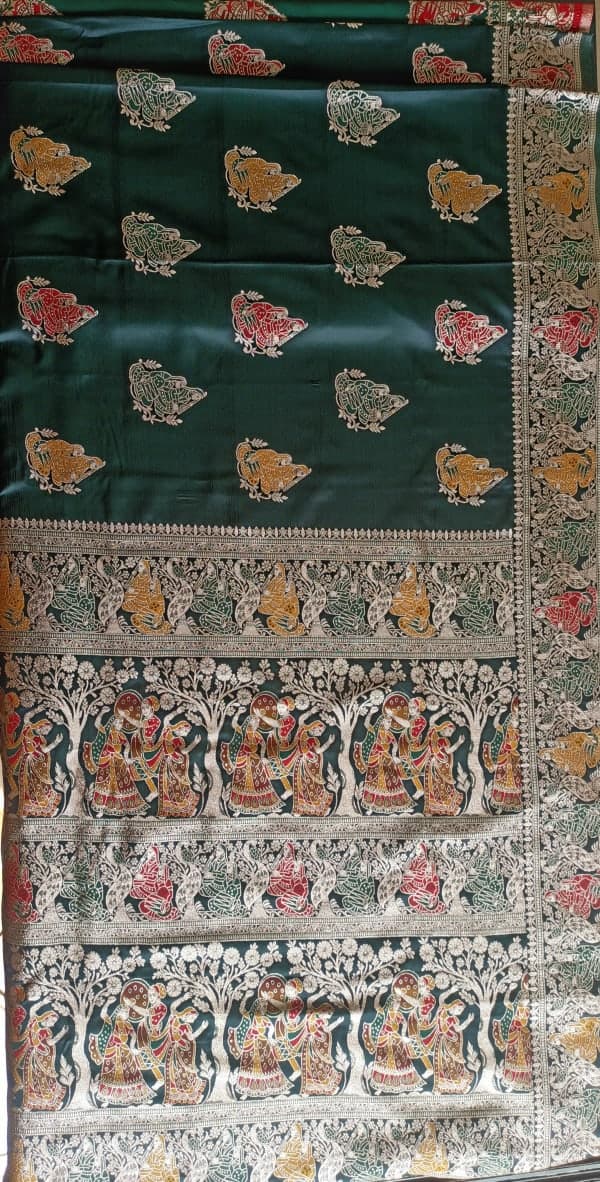
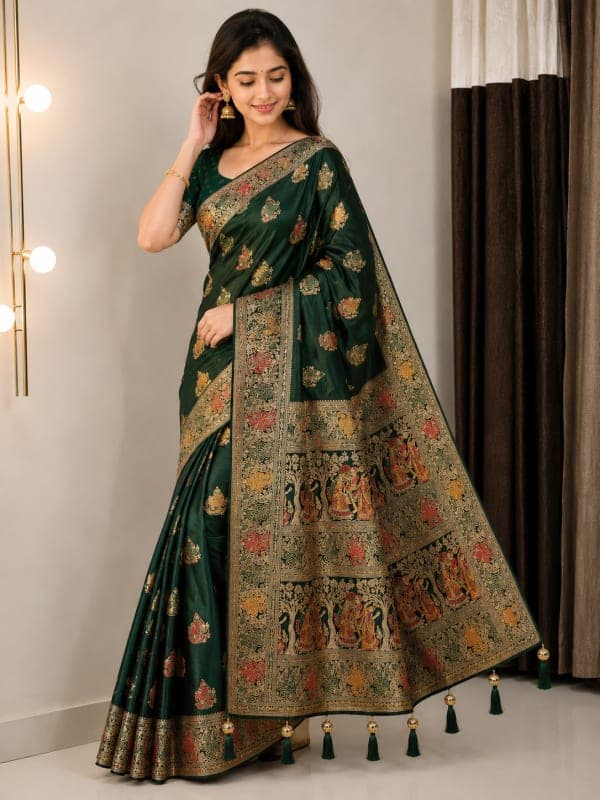
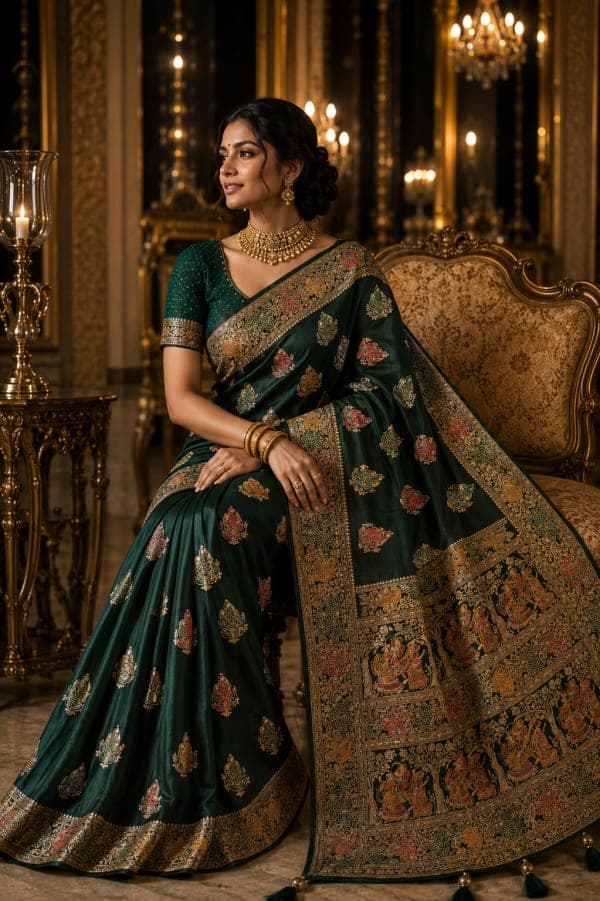
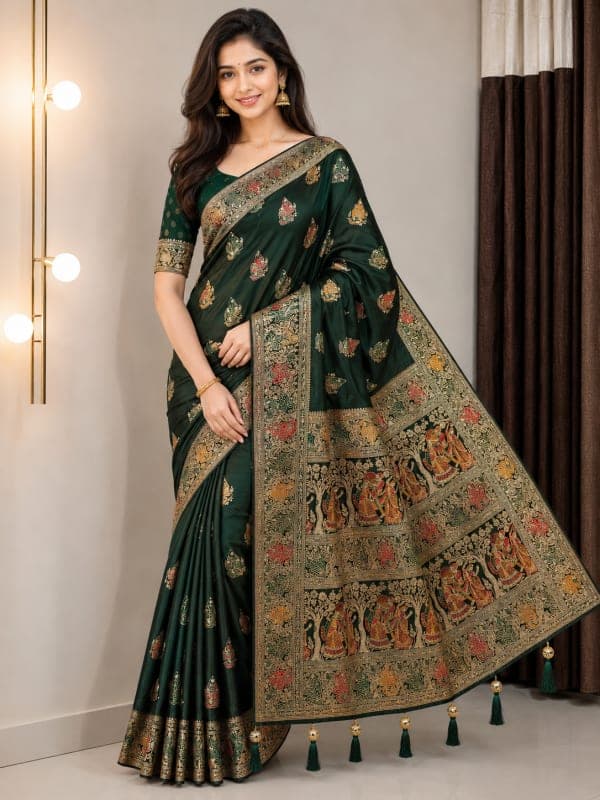
Colours and prints: Emerald, ruby red, wine, plum, deep teal, navy and sapphire blue. Metallic borders look especially strong on these colours.
Best occasions: Evening receptions, cocktail parties, winter weddings and festive dinners.
Who should choose it:
Who should think twice: In very hot weather, dark colours may feel warmer. Choose lighter fabrics in that case.
How to style it:
Check before buying:
Care tip: Wash separately or dry clean to protect colour depth.

In simple words: A belted saree is draped in the usual way and finished with a slim or statement belt at the waist. It is a contemporary way to define the waist and hold the pleats in place.
Why it is trending:
Fabric and feel: Works best with fabrics that drape smoothly, such as georgette, satin, silk and tissue.
Colours and prints: Solid sarees with a metallic or contrast belt. Gold, silver and antique finishes are popular.
Best occasions: Parties, receptions, festive evenings and fusion styling.
Who should choose it:
Who should think twice: If a tight belt feels uncomfortable when you sit or eat, choose a softer, slightly wider belt or skip it.
How to style it:
Check before buying:
Care tip: Remove the belt before washing or storing to avoid pressure marks.

In simple words: A pant-style saree is worn with tailored trousers or a pant-style drape instead of a petticoat. It is a modern alternative for parties and receptions.
Why it is trending:
Fabric and feel: Crepe, georgette, satin and silk blends are common. Look for stretch or a good fit in the pant.
Colours and prints: Black, ivory, wine, emerald, navy and metallic shades. Solid colours keep the silhouette clean.
Best occasions: Cocktail parties, sangeet nights, receptions and fashion-forward events.
Who should choose it:
Who should think twice: If you want a fully traditional look for a religious ceremony, a regular drape is usually more suitable.
How to style it:
Check before buying:
Care tip: Follow the care label, as the pant fabric and saree fabric may need different care.

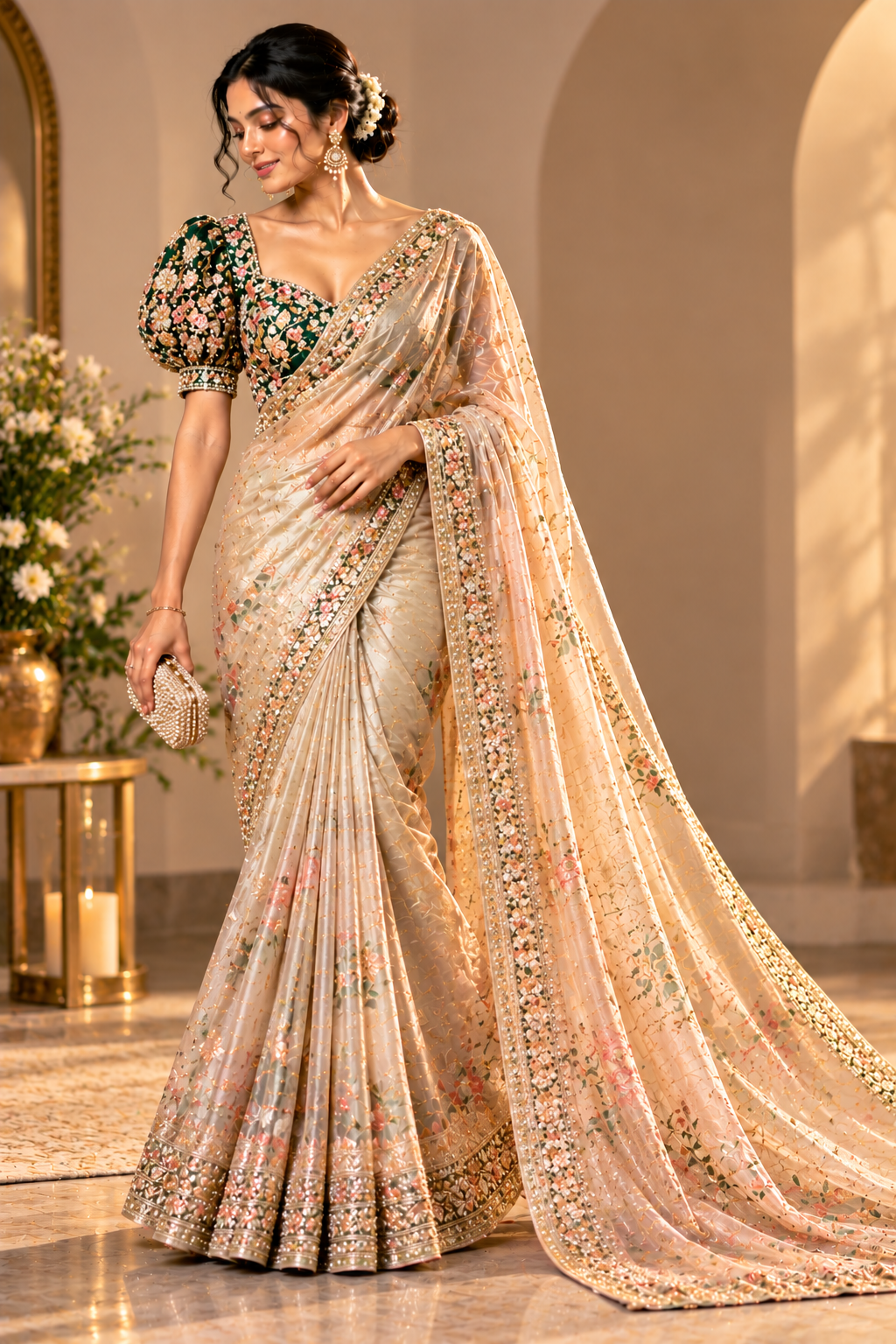
In simple words: A statement blouse is the star of the outfit. Corset, cape, halter and structured blouses can transform a traditional saree, which is why many shoppers now treat the blouse as half the outfit.
Why it is trending:
Fabric and feel: Often silk, velvet, brocade, satin or net with lining. Comfort depends on lining, hooks and fit.
Colours and prints: Contrast shades work well, such as gold on wine, black on ivory or emerald on champagne.
Best occasions: Weddings, receptions, parties and photoshoots.
Who should choose it:
Who should think twice: Very fitted or sculpted blouses can be uncomfortable if the fit is not exact. Choose comfort first.
How to style it:
Check before buying or stitching:
Care tip: Dry clean embroidered blouses and store them in cloth bags.

In simple words: Metallic sarees have a shimmering surface that catches light. Tissue and metallic surfaces are particularly effective for evening events.
Why it is trending:
Fabric and feel: Smooth, light and shiny. Some versions feel slightly stiff, so check comfort.
Colours and prints: Silver, gold, bronze, rose gold and metallic blue.
Best occasions: Receptions, cocktail nights, New Year parties and wedding functions.
Who should choose it:
Who should think twice: If you prefer a soft, matte look for daytime, choose a lightly shimmered fabric instead.
How to style it:
Check before buying:
Care tip: Dry clean and store flat or loosely folded.

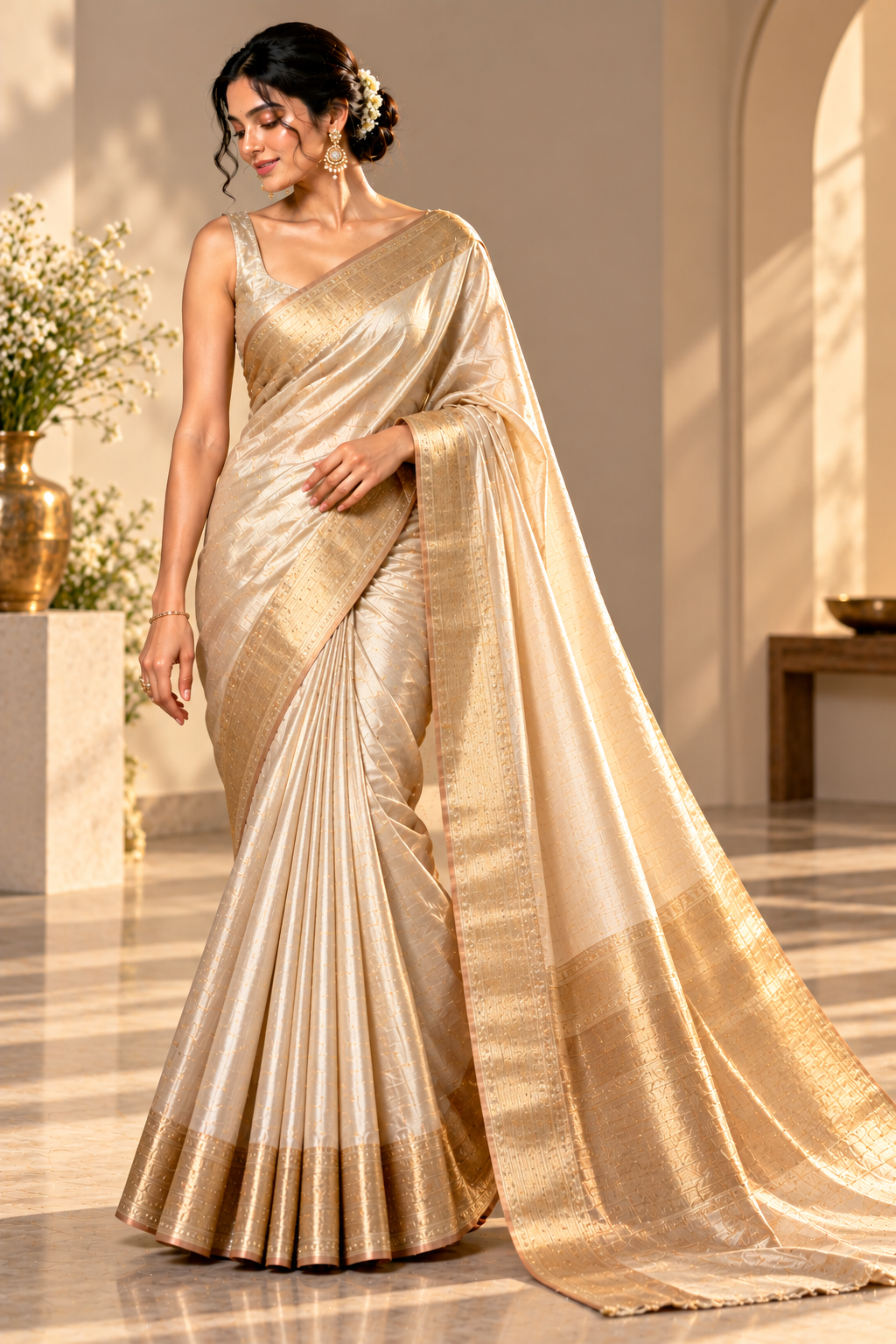
In simple words: Minimal silk sarees have clean borders and controlled zari, which makes them suitable for understated luxury. The design is quiet, but the fabric quality does the talking.
Why it is trending:
Fabric and feel: Smooth, soft and elegant. Look for a good sheen that is not too shiny.
Colours and prints: Ivory, beige, deep green, navy, maroon, mustard and soft pink.
Best occasions: Office festive days, family dinners, small ceremonies and gifting.
Who should choose it:
Who should think twice: If you want a very festive, heavily decorated look, choose a richer weave or a tissue saree.
How to style it:
Check before buying:
Care tip: Dry clean and air after wearing.

In simple words: Regional weaves are traditional Indian textiles from specific places. Patola, Bandhani, Chanderi and other Indian textile traditions remain important, and each one tells a story of place, craft and community.
Types to know:
Why it is trending:
Colours and prints: Bandhani in red, green and yellow, Patola in rich multicolour patterns, Chanderi in pastels and gold.
Best occasions: Festivals, family functions, cultural events and gifting.
Who should choose it:
Who should think twice: If you want a mass-market, budget saree, remember that real handwork takes time and is priced accordingly. Be careful of printed imitations.
How to style it:
Check before buying:
Care tip: Dry clean delicate weaves, and wash Bandhani carefully because colours can run.

In simple words: A rewearable saree is one you choose with the plan of wearing it many times. Consumers increasingly want sarees that can be restyled rather than worn once.
Why it is trending:
Good choices for rewearing: Solid or lightly patterned silk, georgette, organza and minimal tissue sarees in colours such as ivory, navy, wine, emerald and gold.
How to restyle one saree:
Check before buying:
Care tip: Clean and store properly after every wear so it is ready for the next event.
These are simple suggestions, not strict rules. Comfort and confidence matter most.
Always view the saree in daylight before deciding.
Which saree is trending in 2026?
Organza, tissue, pre-draped sarees and lightweight silk are among the most talked-about styles, along with heritage weaves like Banarasi and Kanjivaram.
Which saree is best for a wedding in 2026?
Banarasi, Kanjivaram, tissue and rich silk sarees remain strong choices for weddings, while pastel organza works well for day functions.
Which saree is best for parties?
Metallic, tissue, belted, pant-style and jewel-tone sarees are popular for parties and receptions.
Which saree is best for beginners?
A pre-draped saree or a lightweight fabric such as georgette or soft silk is easier to handle and drape.
Which saree is best for hot weather?
Chanderi, organza, cotton silk and lightweight georgette are more comfortable than heavy brocade.
Are traditional sarees still in fashion?
Yes. Banarasi, Kanjivaram, Patola, Bandhani and Chanderi remain important, often styled with modern blouses and accessories.
How do I know if a saree is good quality?
Check fabric, weave and finishing, ask for fabric details, and read the return policy before buying.
Can I wear the same saree again?
Yes. Changing the blouse, jewellery and draping style can make the same saree look new.
What colour saree is best for evening events?
Jewel tones, metallic shades, black, wine and deep greens look good in evening lighting.
The biggest 2026 direction is not one single saree.
It is the combination of heritage, comfort, modern styling and rewearability.
Whether you prefer a classic Banarasi, a light organza or a ready-to-wear pre-draped saree, choose what feels comfortable and suits your occasion. Read the fabric details, check the fit of the blouse and pick colours that make you feel confident. A saree that makes you feel comfortable and confident will always look best.
Explore Shahidhara Sarees for occasion-focused styles.

From pre-draped silhouettes and metallic tissue to lighter silks and statement blouses, discover the saree styles shaping Indian fashion in 2026.
Read ArticlePre-Draped Sarees in 2026: Why Ready-to-Wear Sarees Are Trending
Discover why pre-draped and pre-stitched sarees are becoming a major fashion choice in 2026 and which fabrics and occasions work best for them.
Read ArticleMetallic Tissue Sarees 2026: The Shimmering Trend for Weddings and Festive Events
A complete guide to metallic tissue sarees, including styling ideas, colours, blouses, jewellery and the occasions where they work best.
Read Article