



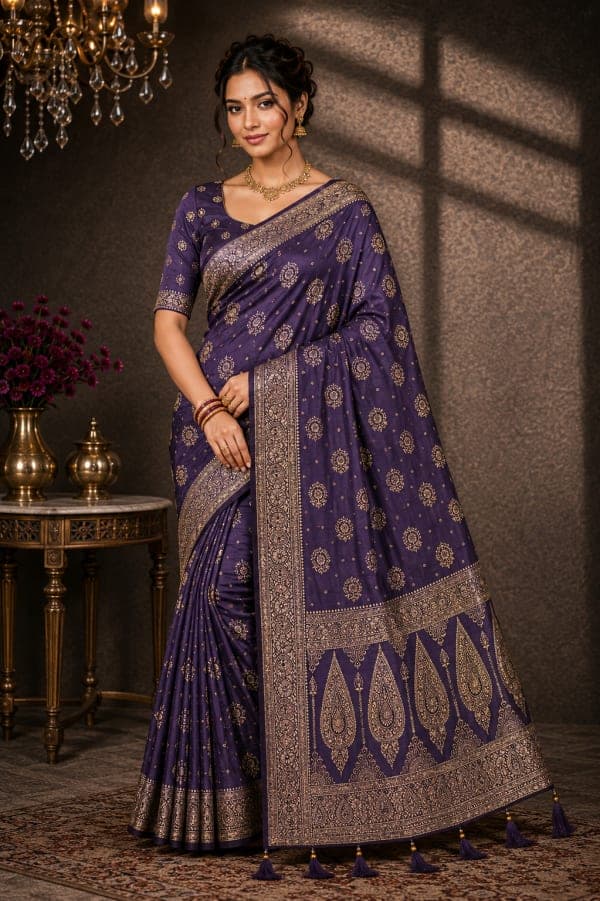
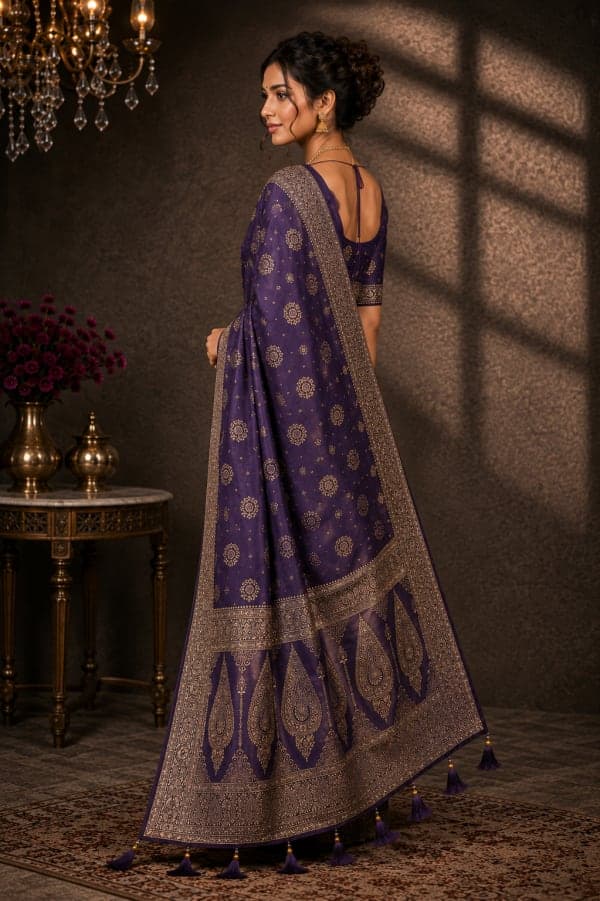
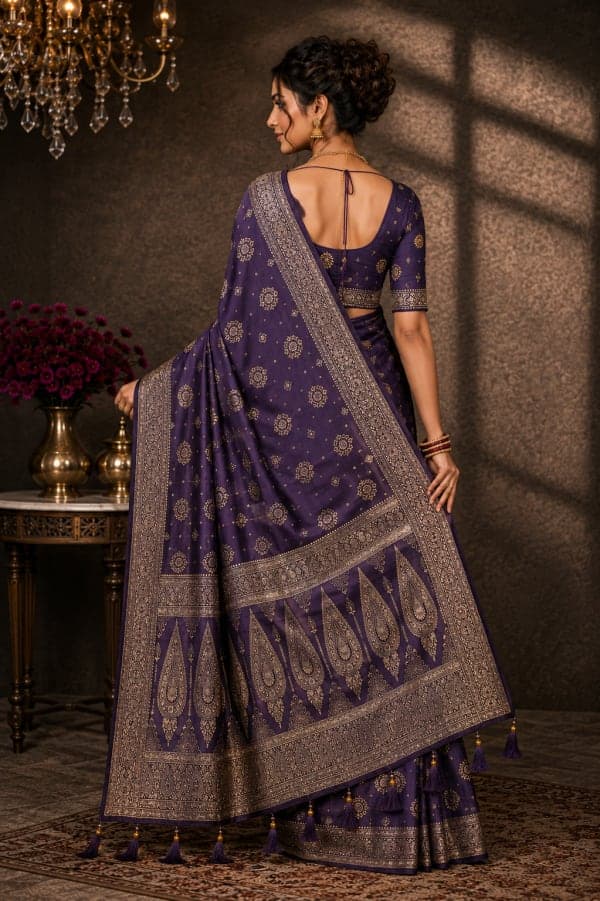
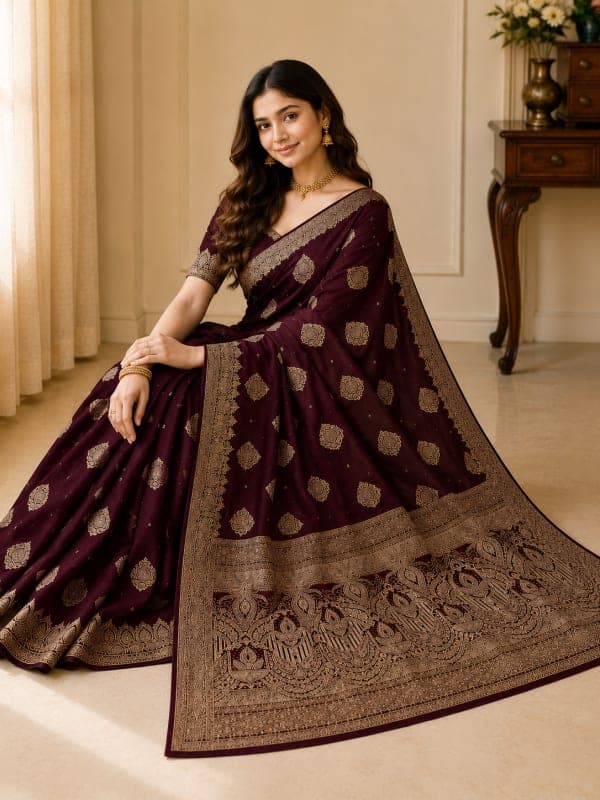
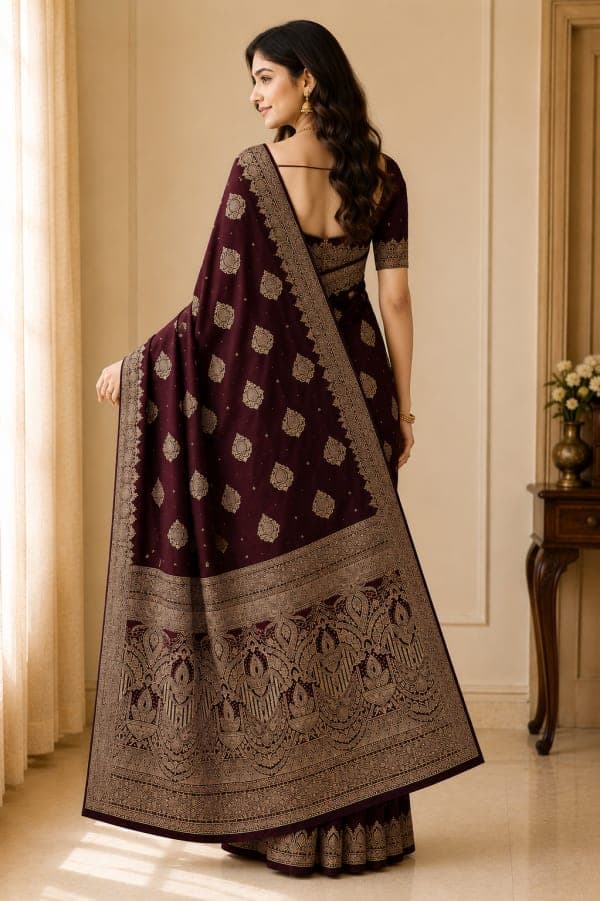
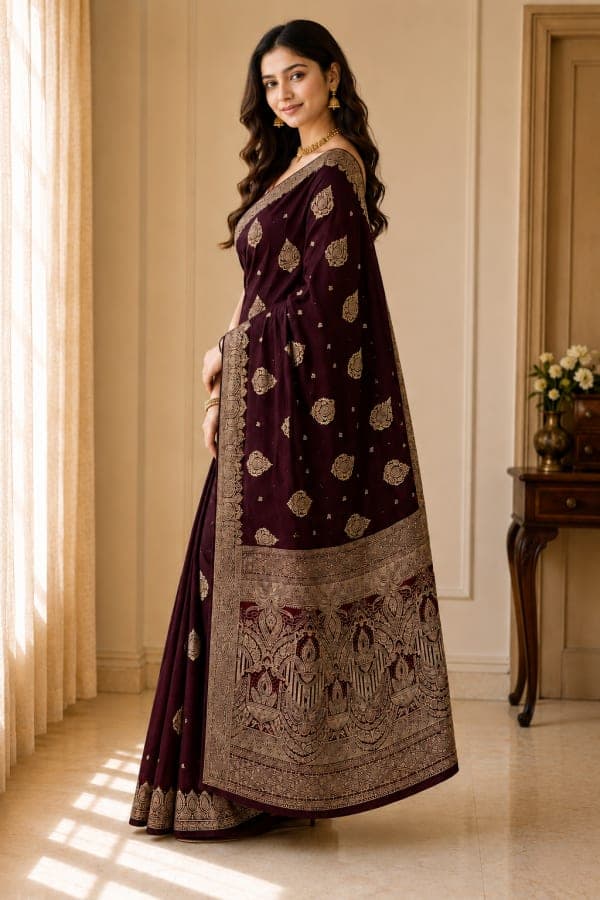
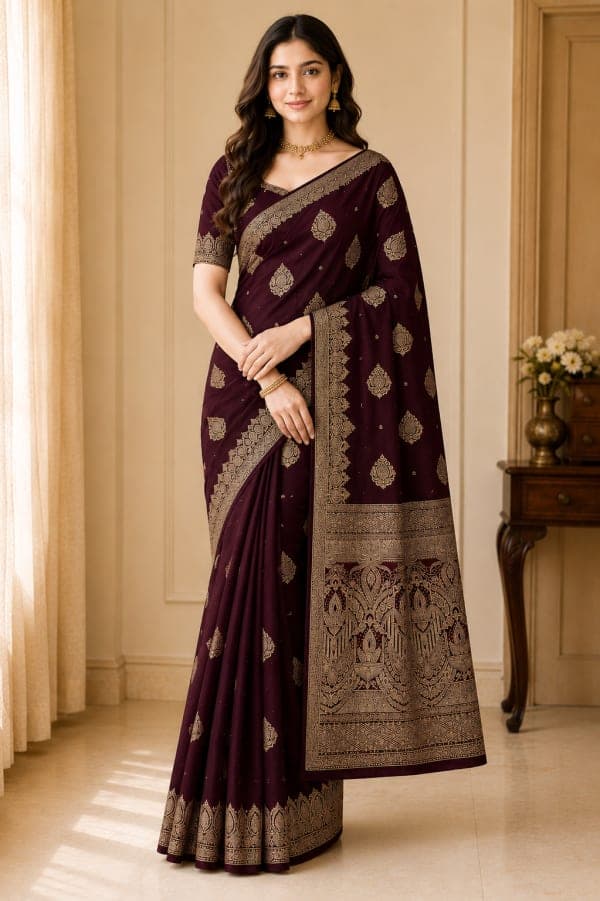

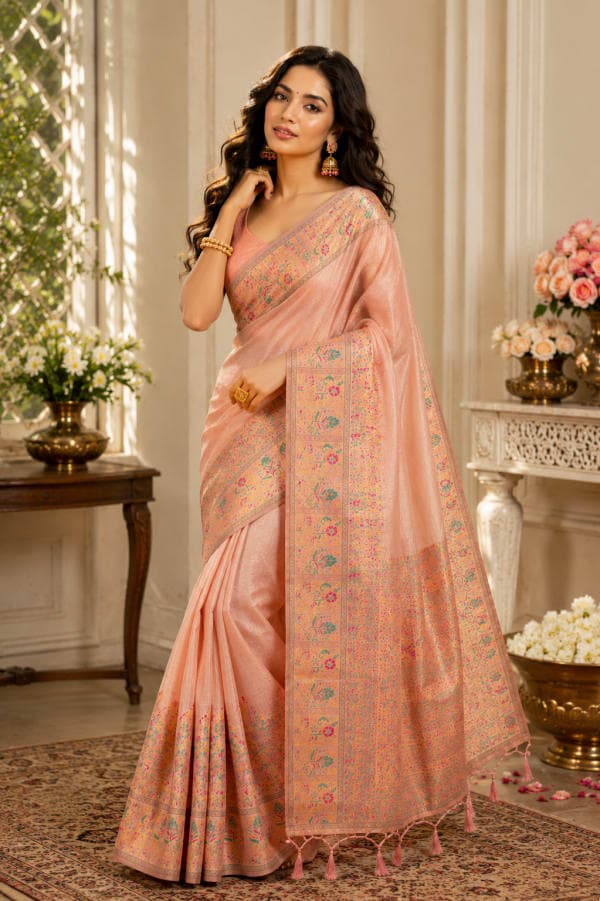





The Nivi Drape: India's Most Popular Saree Style
Nearly every saree tutorial starts here for a reason - the Nivi drape is elegant, secure, and works for almost every body type and fabric weight. Here's how to get it right.
Step-by-Step Nivi Draping
- Tuck the plain end at your navel, wrapping the saree once around your waist, right to left.
- Make 5-7 pleats, each about 5 inches wide, and tuck them into the petticoat just left of the navel so they fall straight.
- Wrap the remaining fabric around your torso once more, left to right.
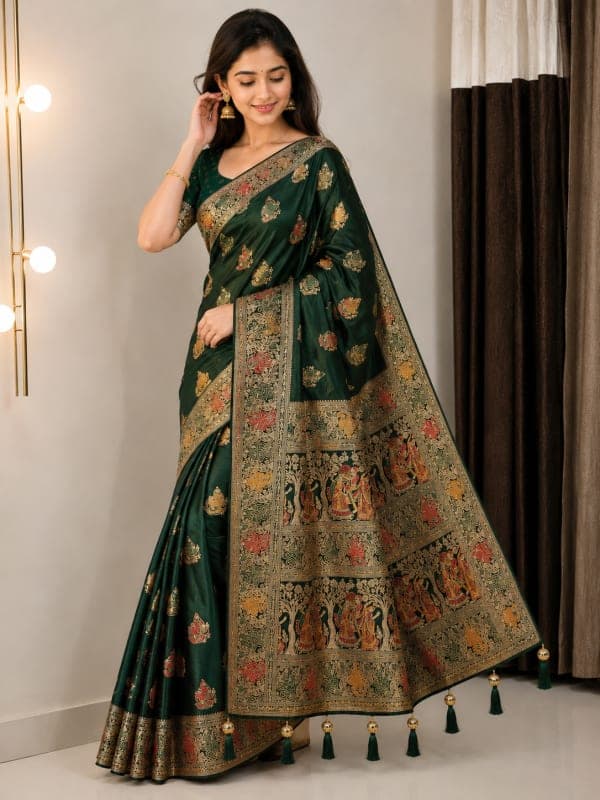
- Pleat the pallu (3-4 wider pleats) and drape it over your left shoulder, letting it fall to knee length or below.
- Pin the pallu at the shoulder for movement-heavy events like weddings or dancing.
Adjusting for Your Body Type
- Petite frames: keep pleats narrower and the pallu shorter so it doesn't overwhelm your height. A saree with a lighter fabric (georgette, chiffon) drapes better than stiff silk.
- Curvier frames: wrap slightly looser at the waist, and let the pallu sit a touch longer - it elongates the torso.
- Tall frames: you can carry heavier fabrics and wider pleats beautifully; Banarasi and Kanjeevaram silks suit you well.
Common Mistakes First-Timers Make
- Pleats that aren't even width - always measure by hand-span, not by eye.
- Petticoat tied too low, which makes the saree slip through the day.
- Pinning the pallu too high on the shoulder, which pulls the whole drape sideways.
Quick Answer: How long does it take to learn to drape a saree?
Most people get comfortable with the Nivi drape after 3-4 practice sessions. Keep safety pins handy for your first few outings - even experienced saree-wearers use them.
Ready to practice on something forgiving? Our georgette and crepe sarees hold pleats well without being stiff, which makes them ideal for first-timers.