


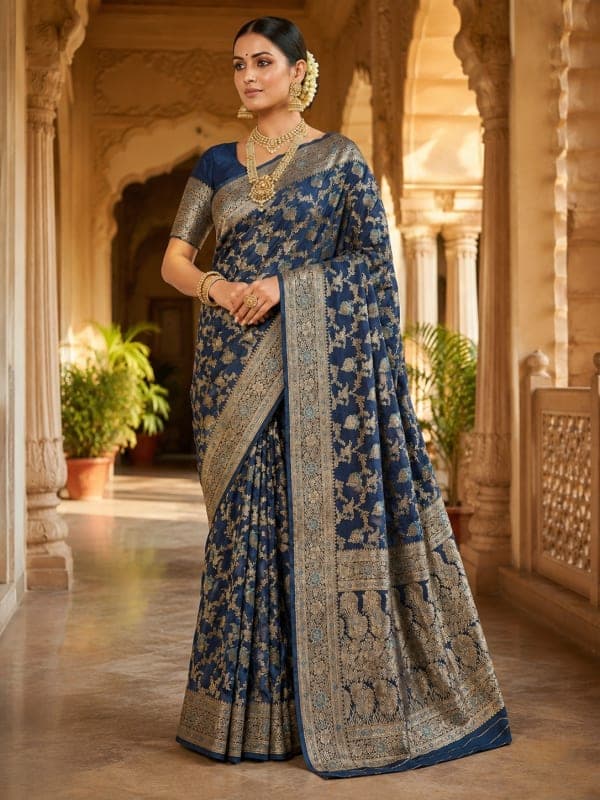
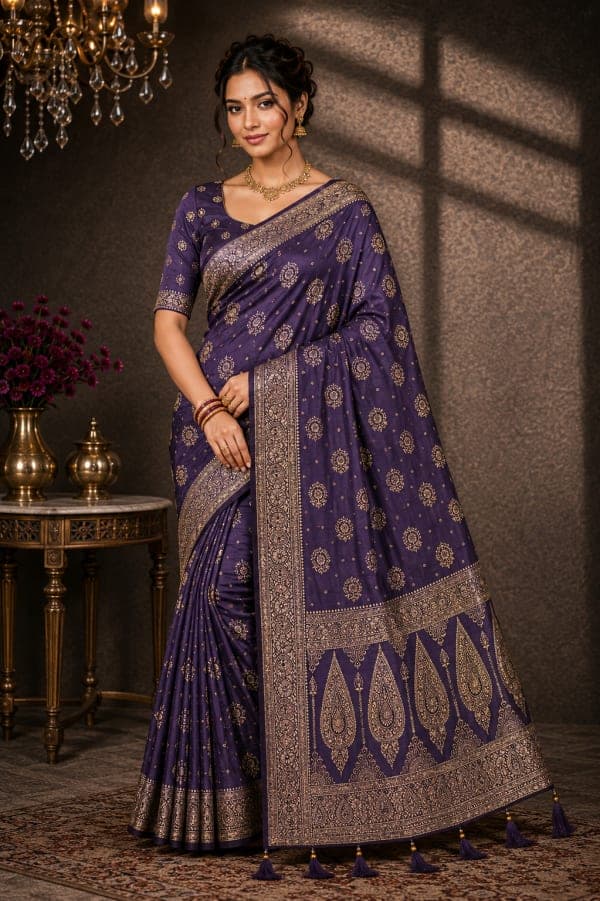
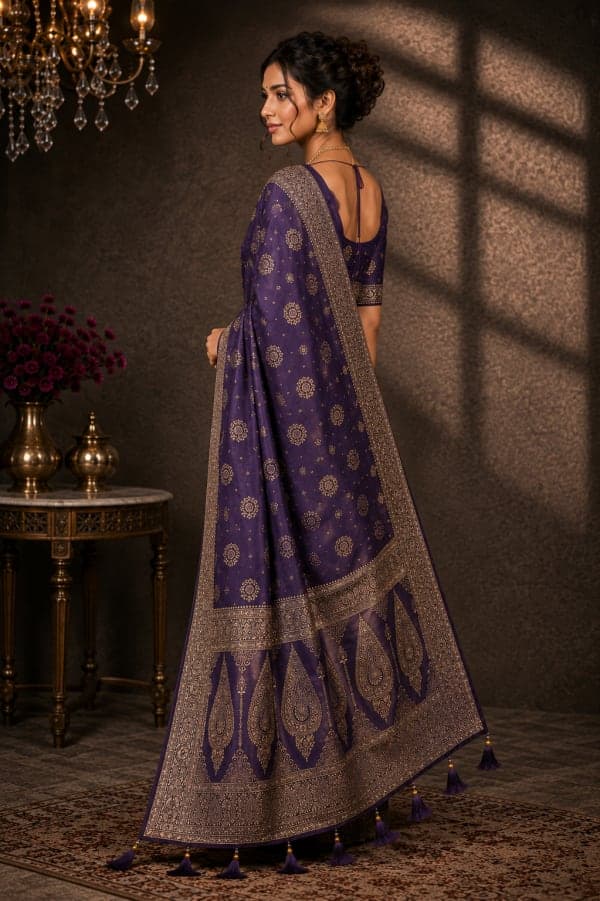
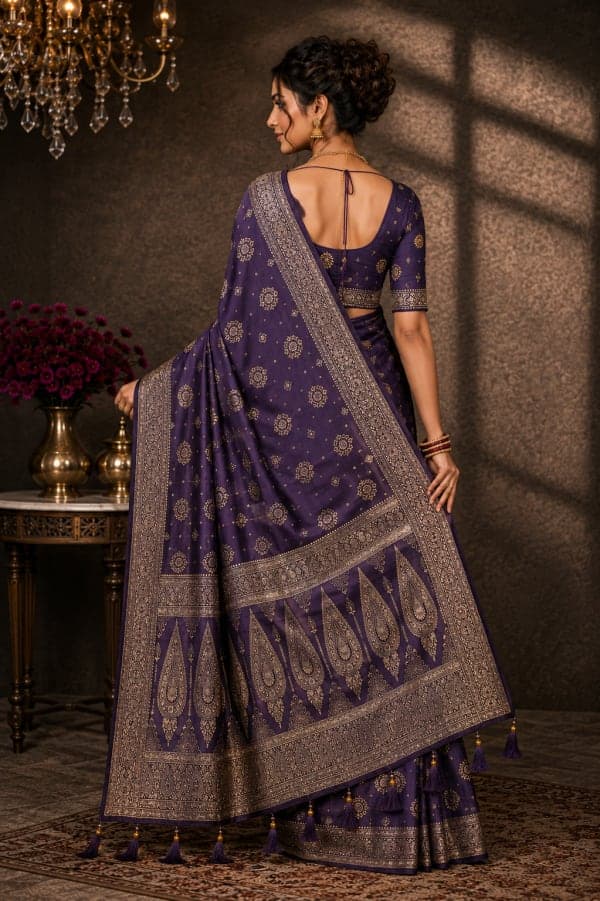
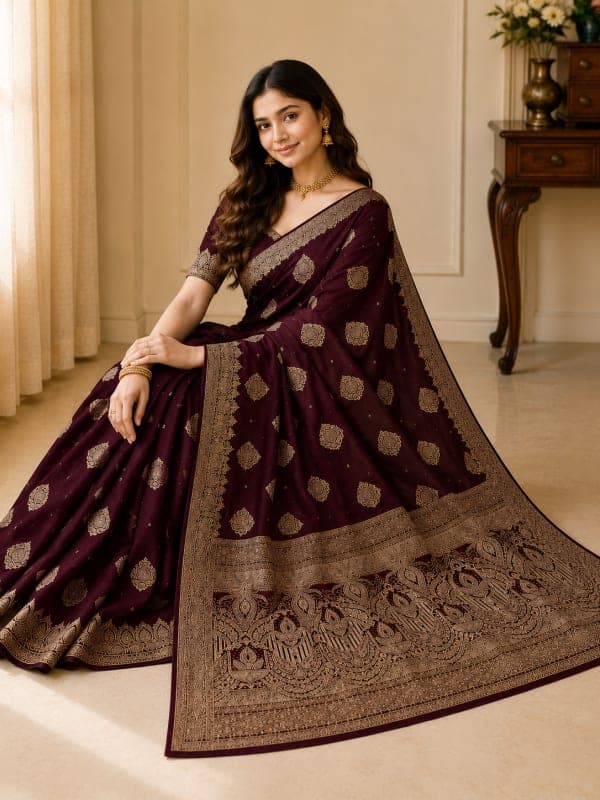
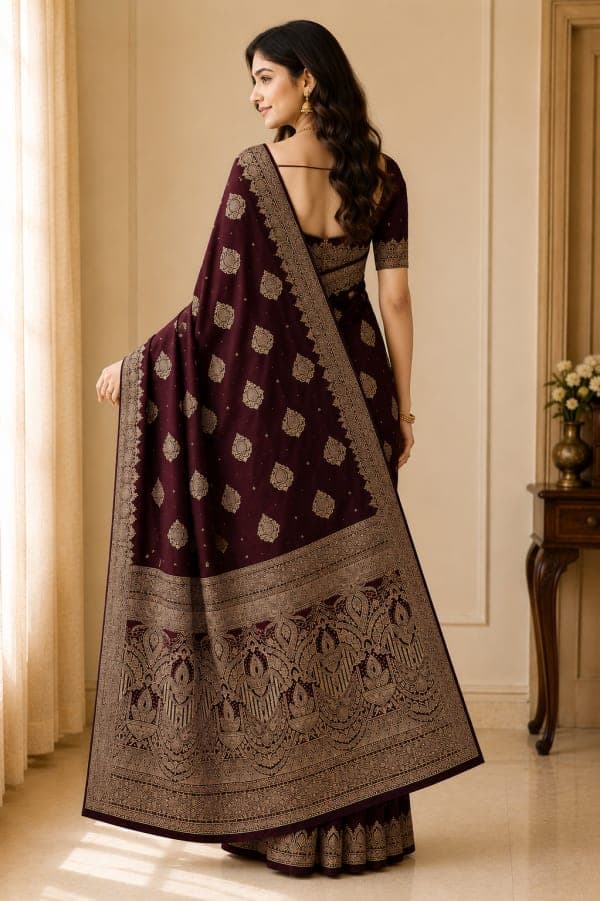
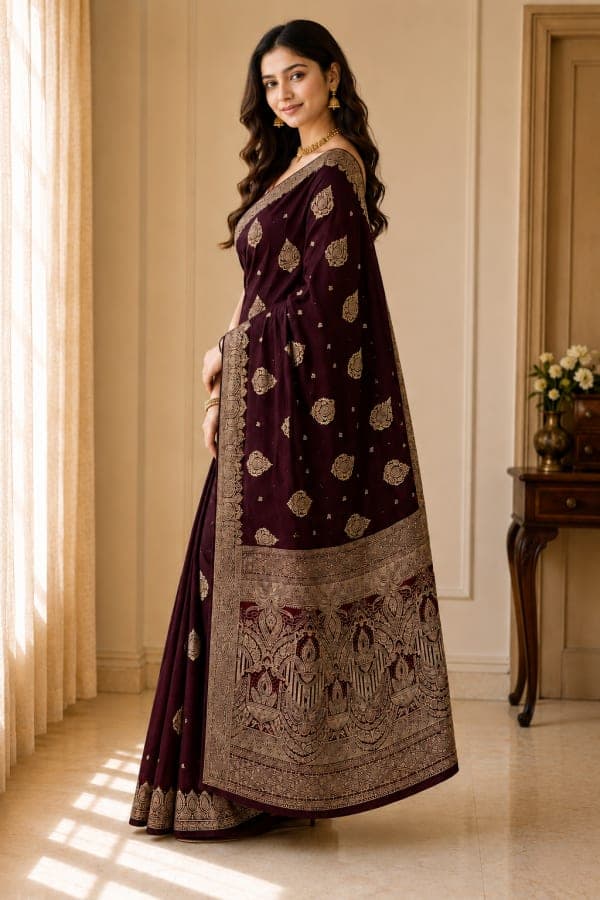
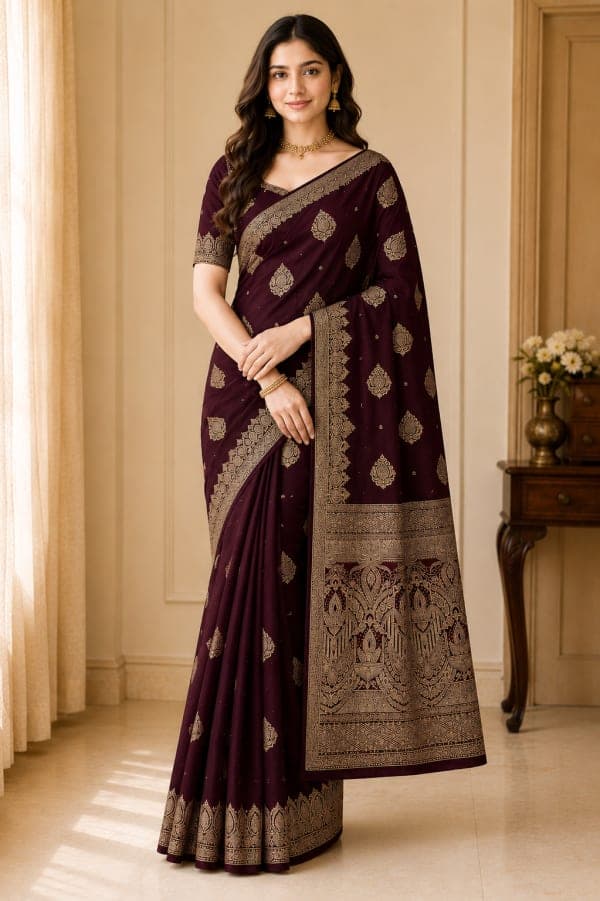
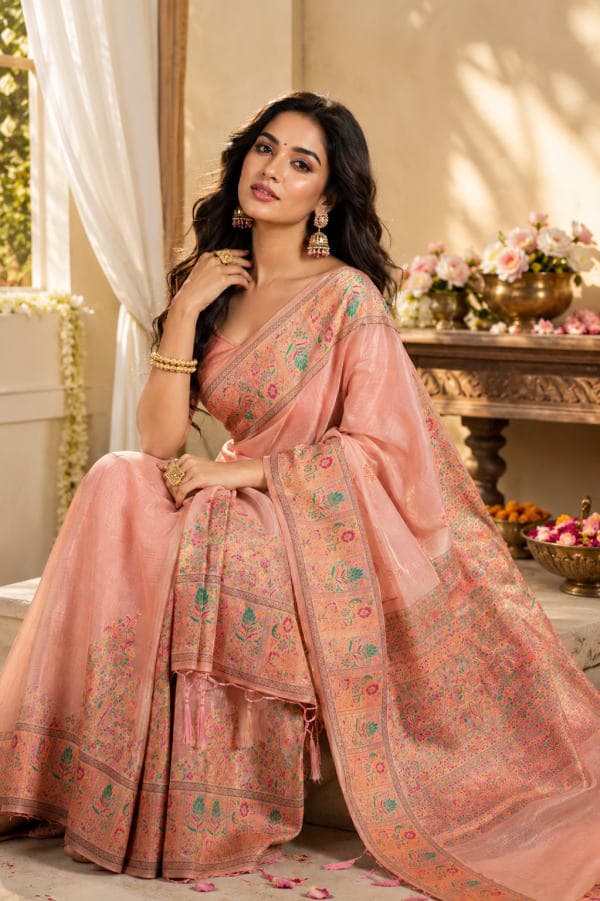
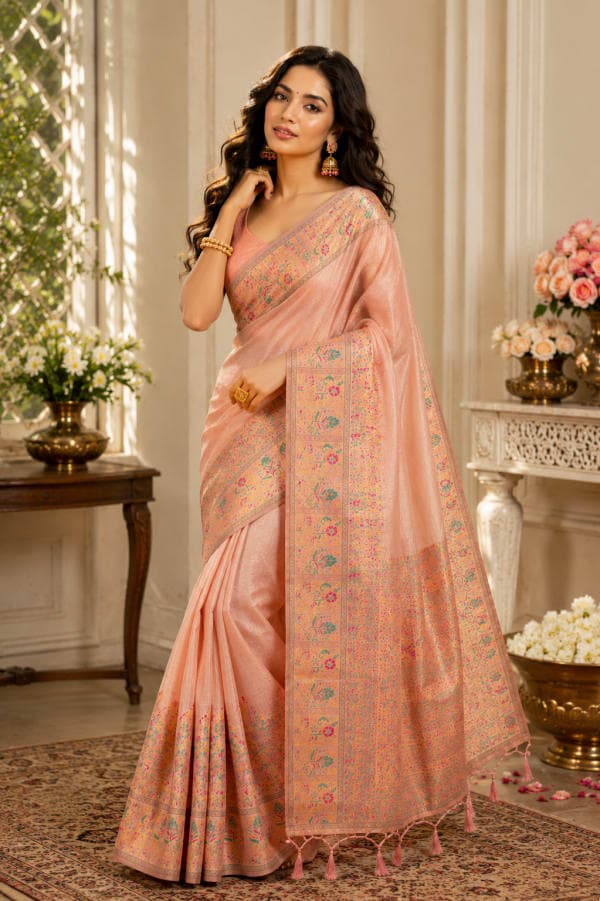
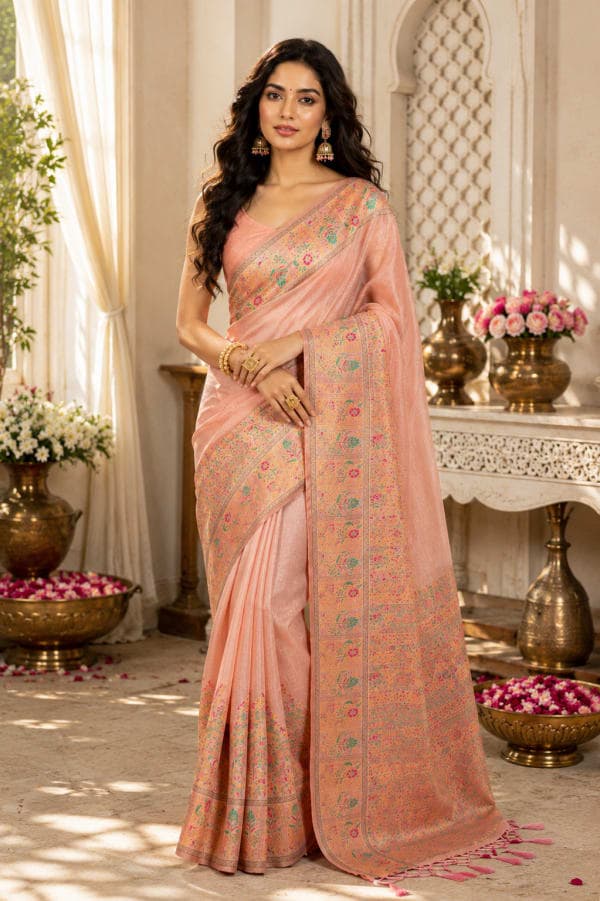
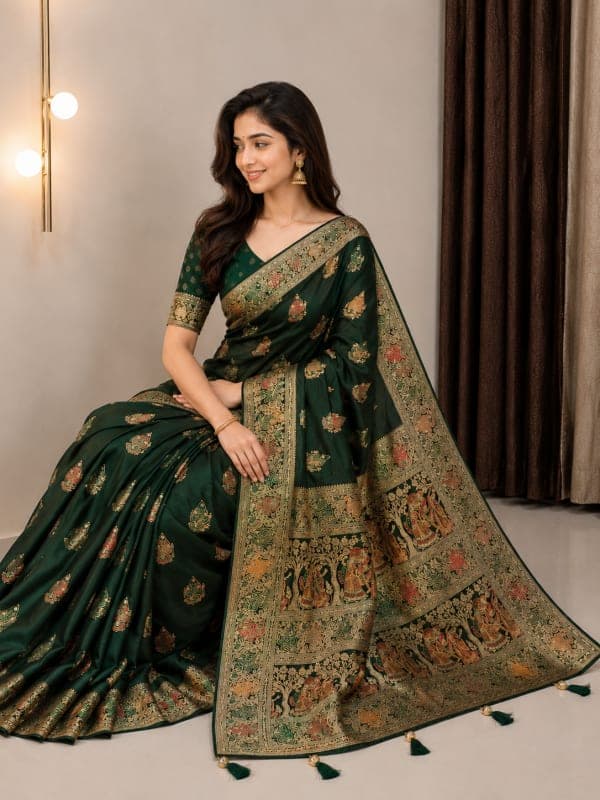
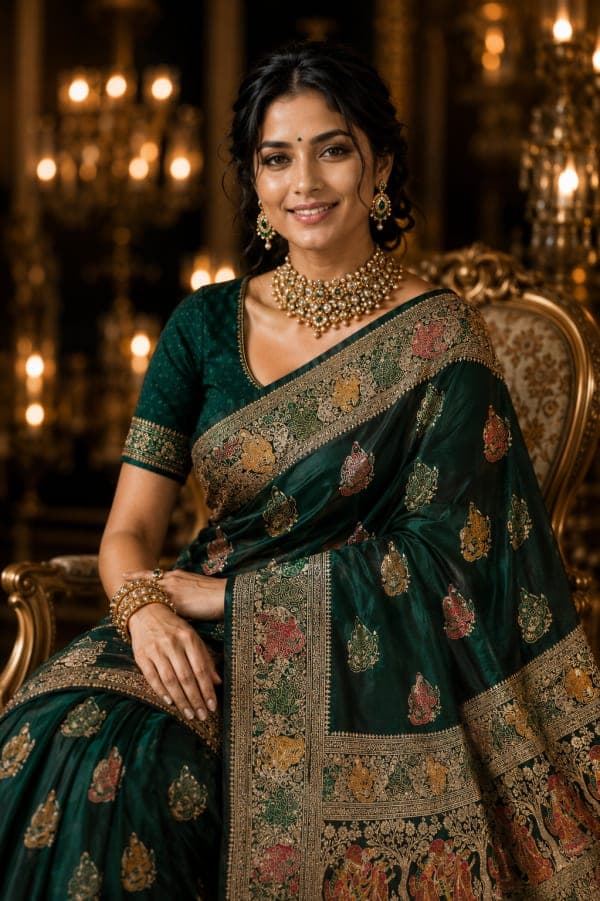
Why This Matters More Than You'd Think
"Art silk," "silk-blend," and "pure silk" are three completely different products often sold at similar-looking prices. Here's how to tell them apart before you buy - online or in-store.
1. The Burn Test (for a loose thread)
Pure silk burns slowly, smells like burnt hair, and turns to fine ash. Synthetic fibers melt, smell like burning plastic, and form a hard bead. Never do this on the saree itself - only a stray thread from the edge.
2. Weight
Pure silk has a natural heft and falls in soft, rounded folds. Synthetic fabrics feel light and stiff, and the pleats look sharp rather than fluid.
3. Sheen
Real silk has a soft, changeable sheen depending on the angle of light. Synthetic fabric has a flat, uniform shine that looks the same from every angle.
4. Silk Mark Certification
A genuine Silk Mark tag (issued by the Central Silk Board of India) is the single most reliable proof of authenticity for a new purchase. If a seller can't show you this, ask directly.
5. Zari Check
Real zari (gold/silver thread) is soft and slightly rough to the touch, and it doesn't flake with wear. Synthetic "zari" often looks too bright and starts peeling within a few washes.
6. Price Sense-Check
Genuine pure silk (Banarasi, Kanjeevaram, mulberry silk) rarely sells below a certain floor price given the raw material cost. If a "pure silk" saree is priced like a synthetic one, it likely isn't pure silk.
7. The Ring Test
A lightweight pure silk saree (like a Georgette-silk blend) can often be pulled through a finger ring without snagging - synthetic blends tend to catch.
Quick Answer: Is silk-blend the same as pure silk?
No - silk-blend mixes silk with cotton, viscose, or polyester fibers, which lowers cost but also lowers durability and sheen compared to 100% pure silk.
Browse our Silk Sarees collection - every listing states the exact fabric composition so you know exactly what you're buying.