


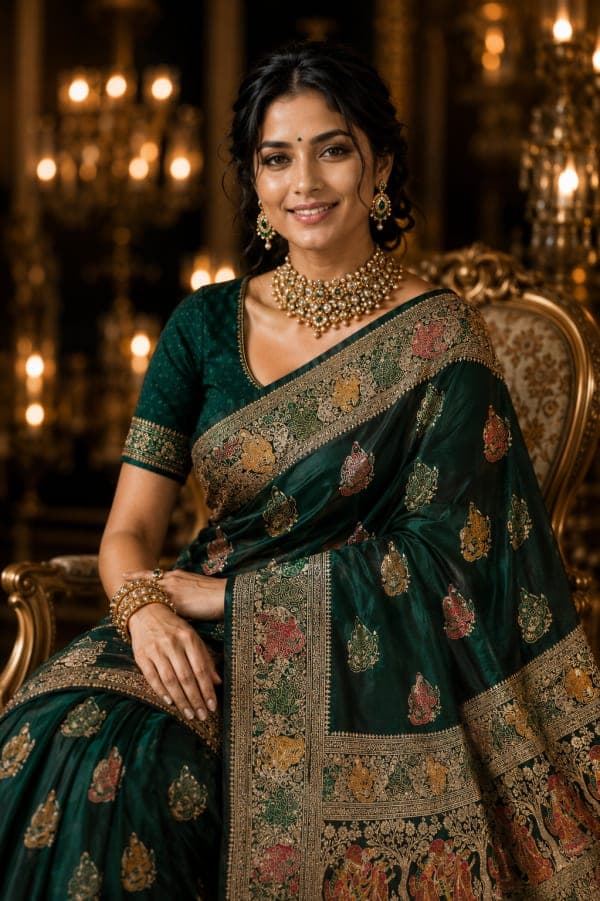
Start With the Ceremony, Not the Color
Most first-time bridal shoppers pick a color first. Start instead with the ceremony you're dressing for - it decides the fabric weight, and the fabric decides everything else.
Match Fabric to Ceremony
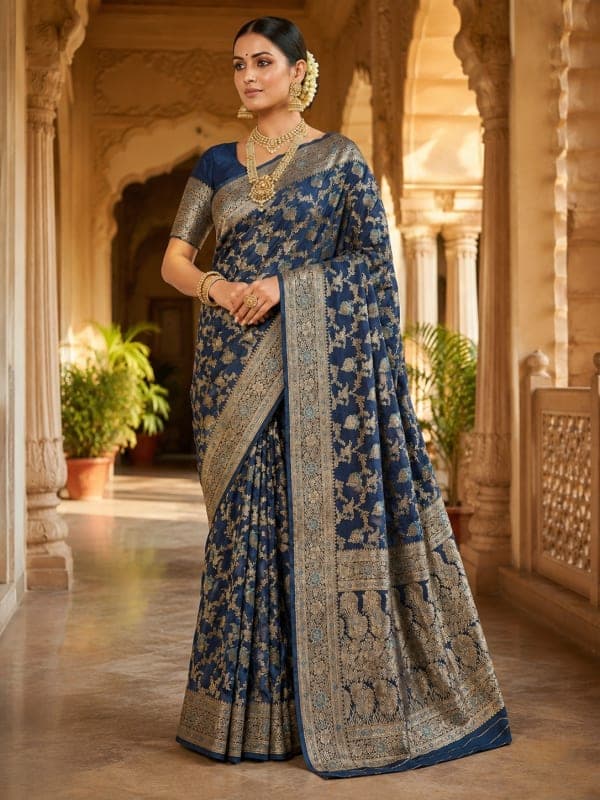
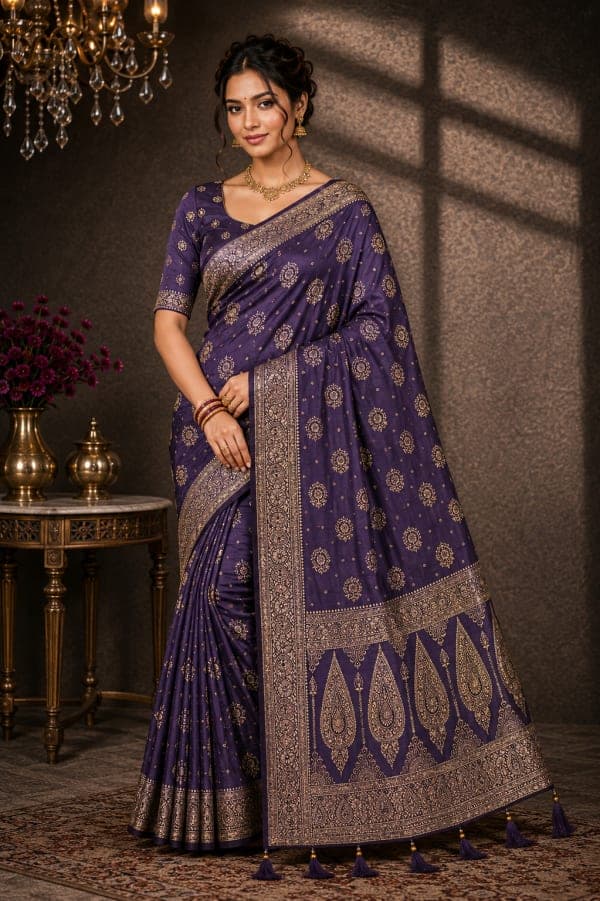
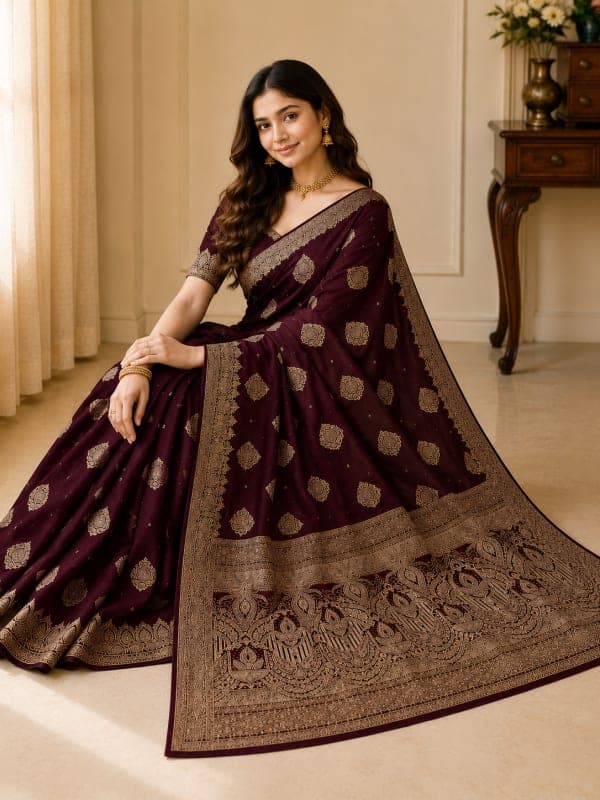
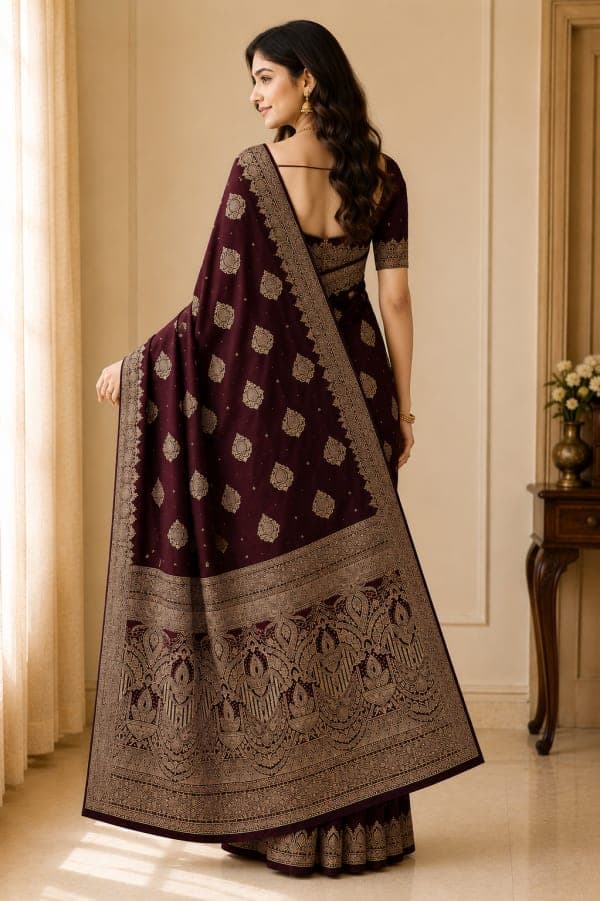
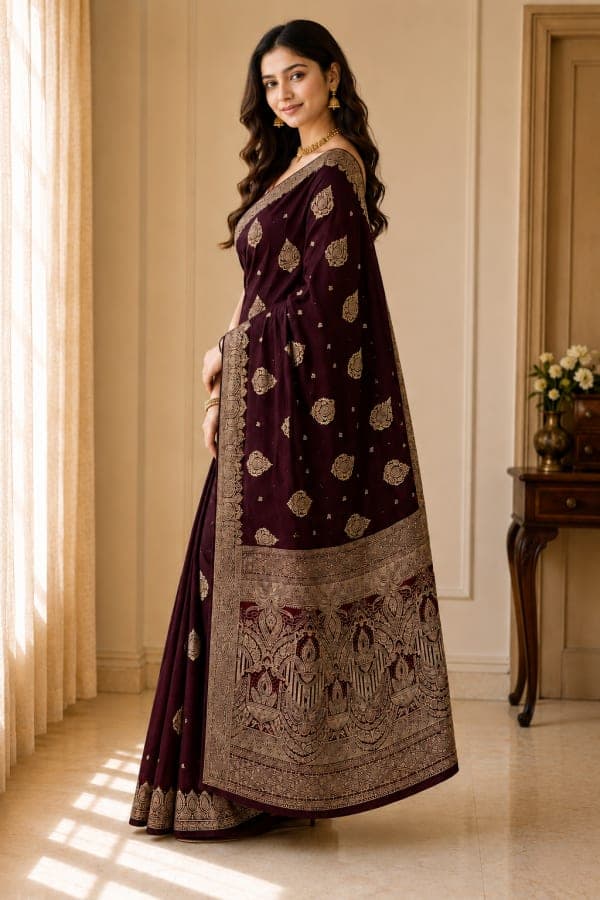
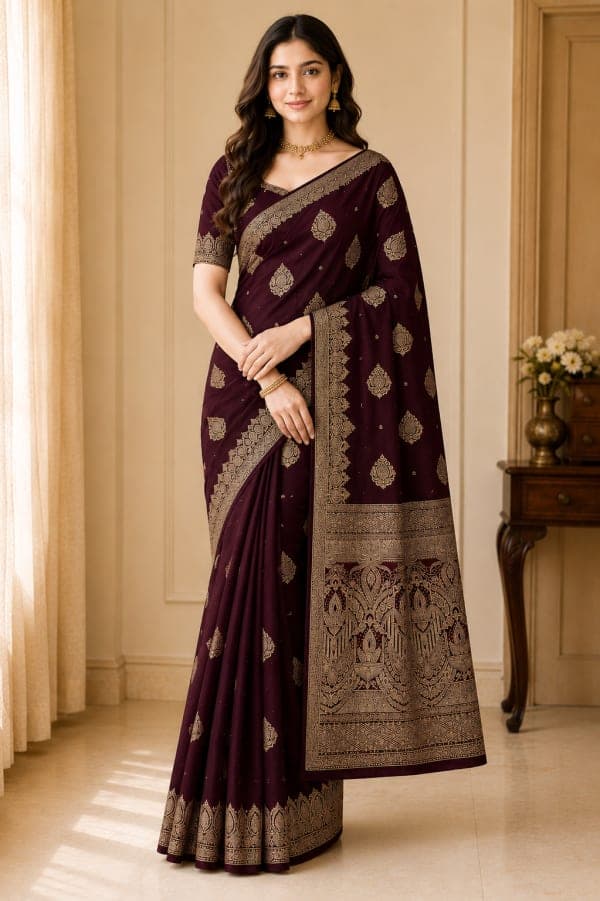
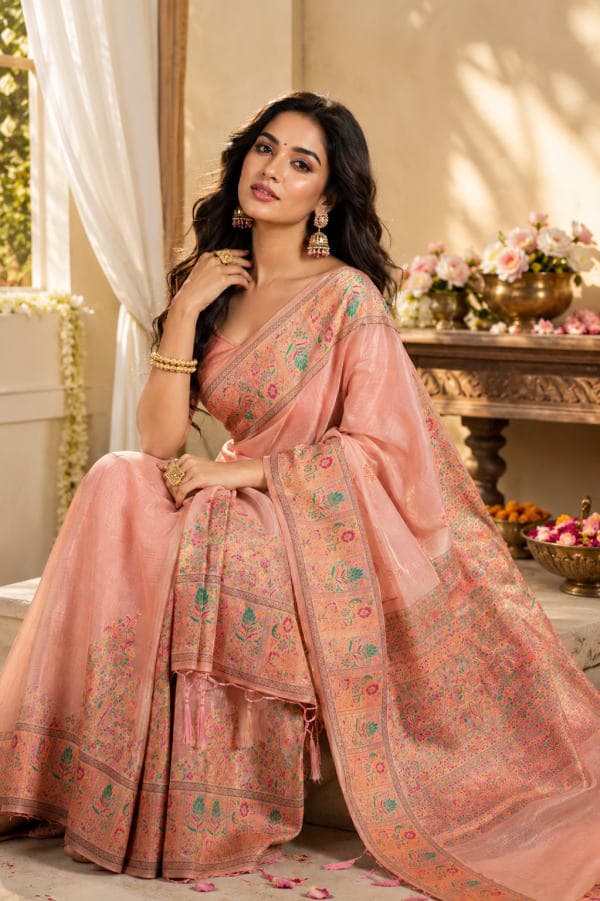
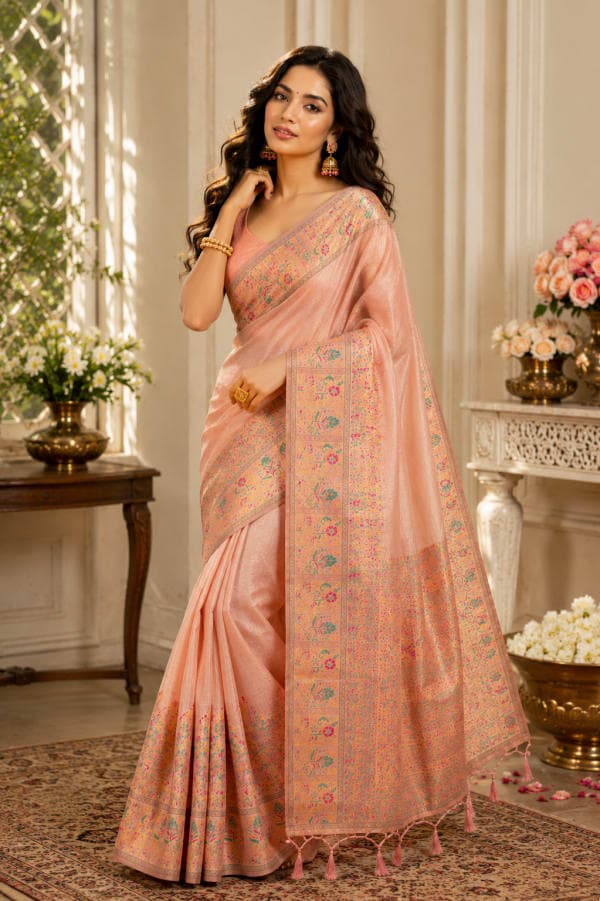
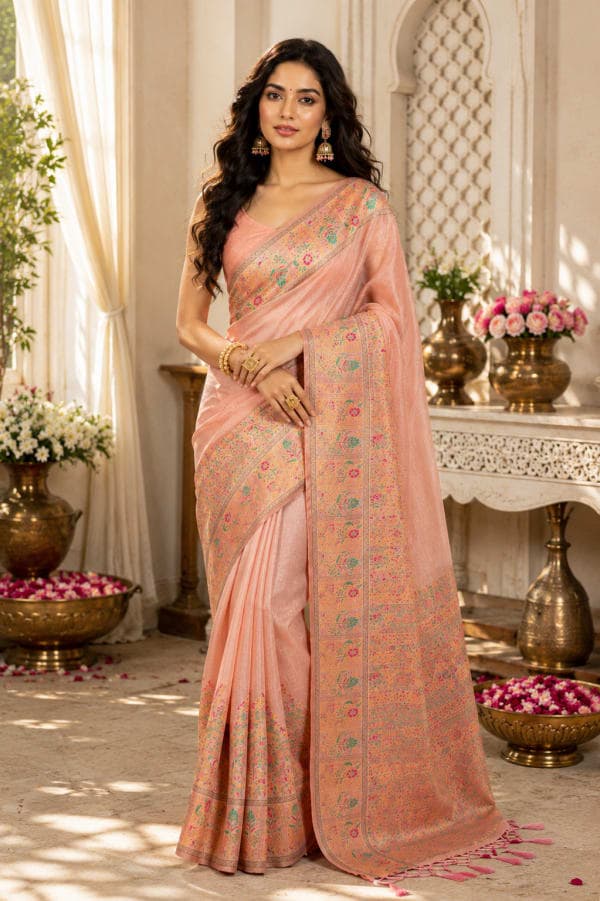
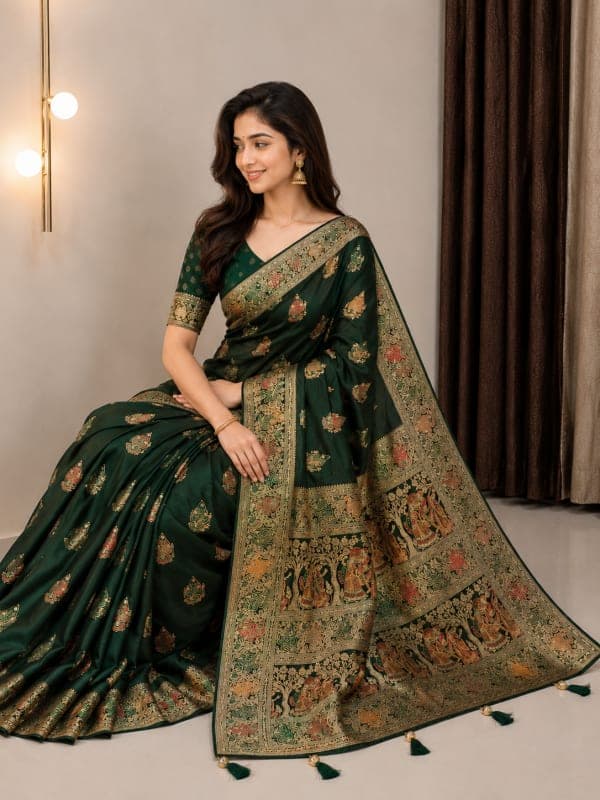
- Main wedding ceremony: heavier silks (Kanjeevaram, Banarasi) that hold structure through hours of rituals.
- Sangeet / mehendi: lighter fabrics (georgette, organza) you can dance and move in.
- Reception: statement fabrics with shimmer - sequinned georgette or a lighter zari-work silk photograph best under event lighting.
Budget Planning (Realistic Ranges)
A genuine silk bridal saree with real zari work typically starts in the mid-thousands and can go well beyond depending on handwork hours and zari weight. Set your ceremony-day saree as the highest-budget item, and choose lighter, less zari-heavy pieces for other functions to control overall spend.
Blouse Planning
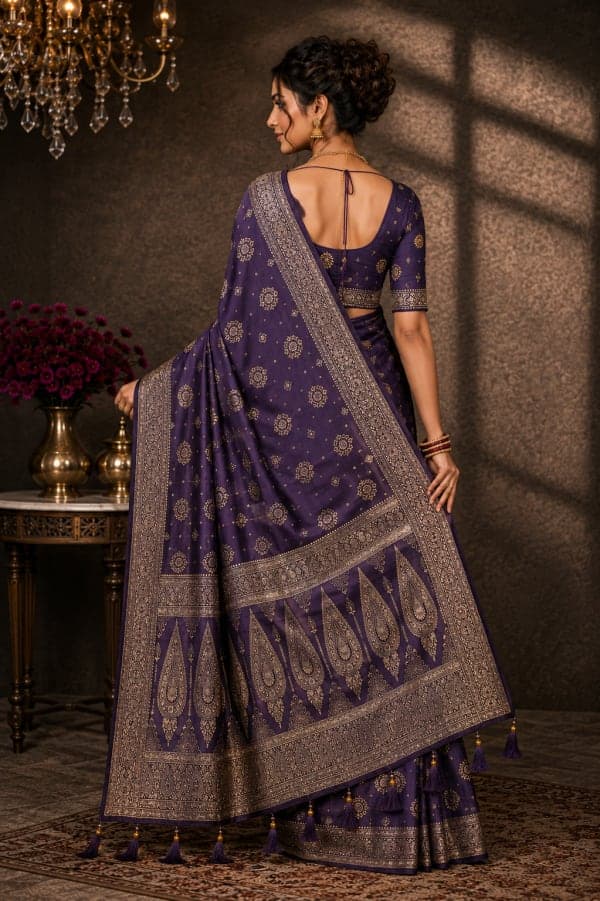
Order or stitch your blouse at least 3-4 weeks before the wedding. Heavy bridal blouses with embroidery need fitting time, and a rushed blouse is the most common bridal wardrobe regret.
Trying Before You Commit
- Check how the saree drapes under both daylight and warm event lighting - colors shift.
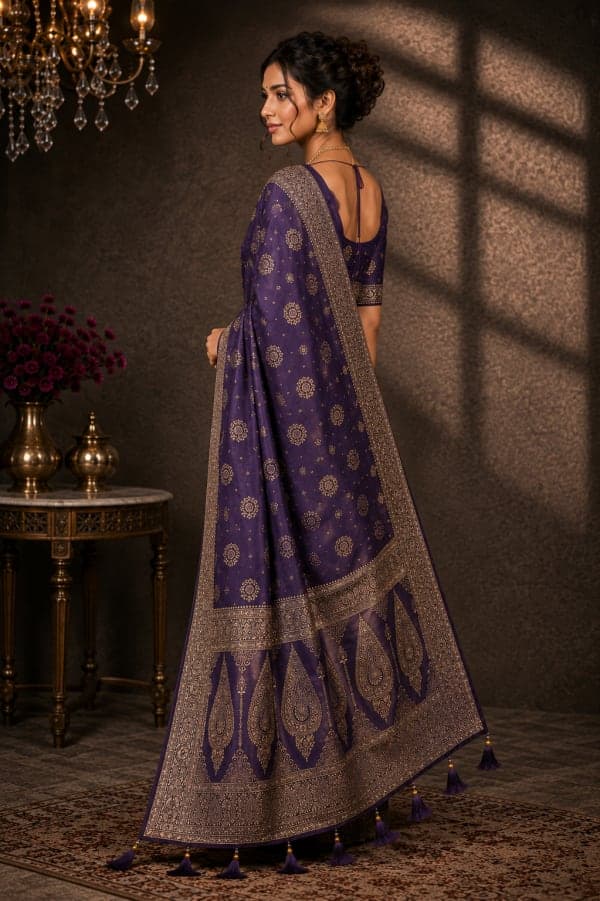
- Sit down in it. Bridal ceremonies involve long seated rituals; make sure the pleats and pallu stay in place.
- Walk in your wedding footwear height with the saree pinned, to check the length is right.
What Brides Regret Most (and how to avoid it)
Buying the saree too close to the date, skipping the blouse trial, and choosing pure white/cream without checking how it photographs against your skin tone under flash.
Quick Answer: How far in advance should I buy my bridal saree?
Ideally 2-3 months ahead - enough time for blouse stitching, alterations, and a backup option if something doesn't work when it arrives.
Start your search in our Silk Sarees and Kanjeevaram Gold collections, curated for bridal weight and zari work.