


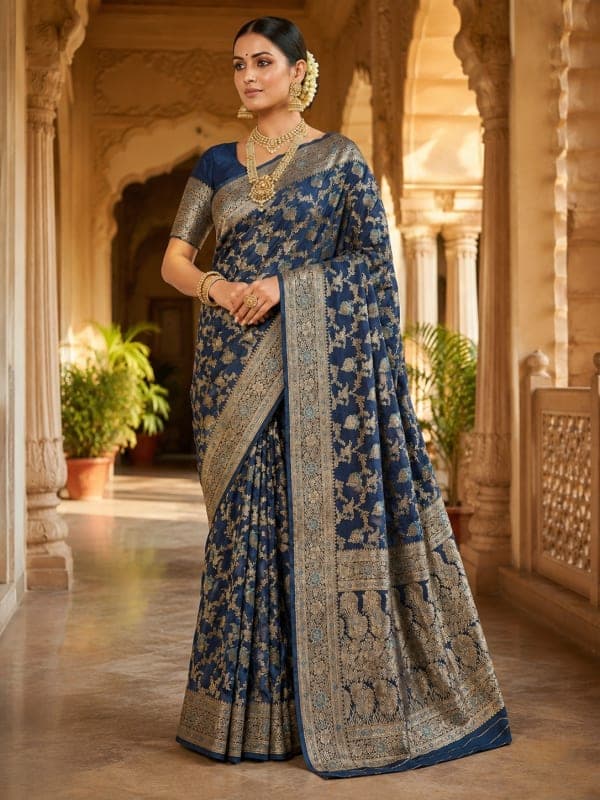
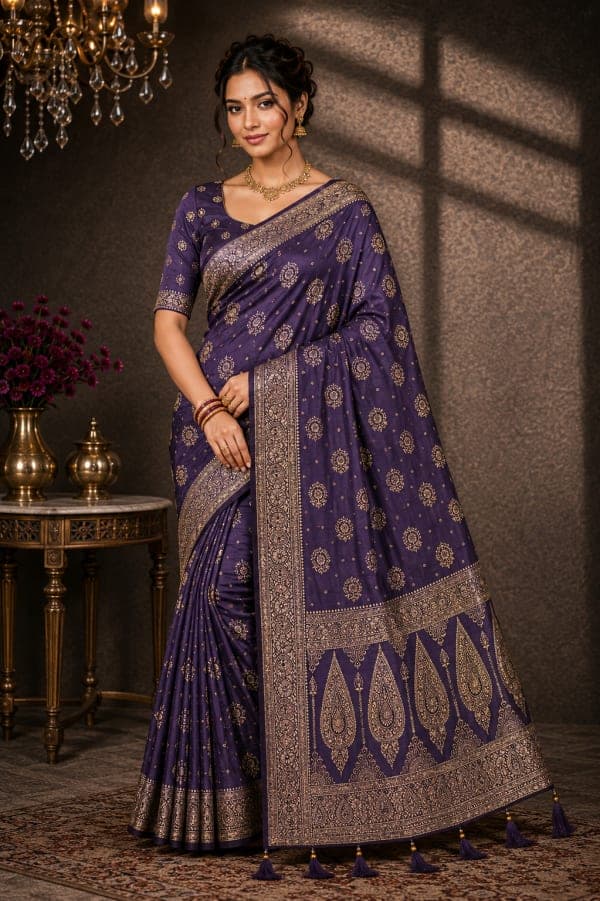
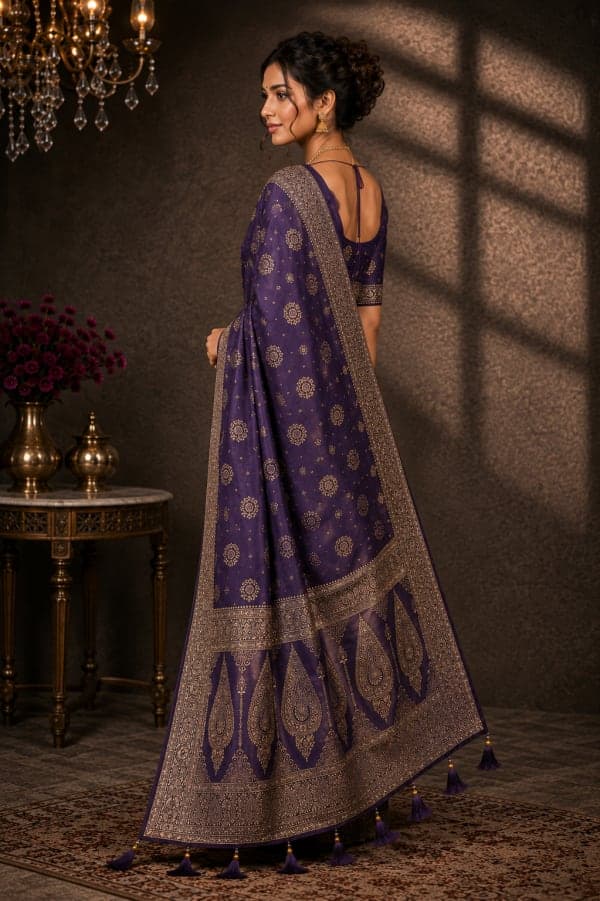
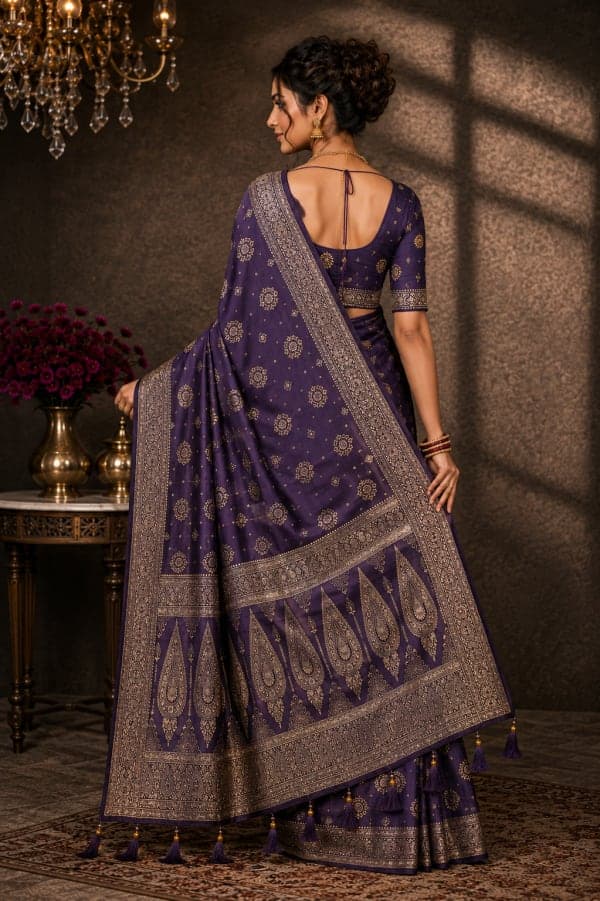
The One Rule Almost Everyone Knows: Skip Red and White
Red is traditionally reserved for the bride in many Indian communities, and plain white/cream can read as inauspicious at some ceremonies (though this is loosening at modern, fusion weddings - check with the couple if unsure).
Matching Formality to the Function
- Mehendi: bright, playful colors - yellow, orange, pink. Lighter cotton or georgette sarees, since mehendi functions often run long and are less formal.
- Sangeet: this is where you can go statement - sequins, shimmer, jewel tones. It's the most "party" of the pre-wedding functions.
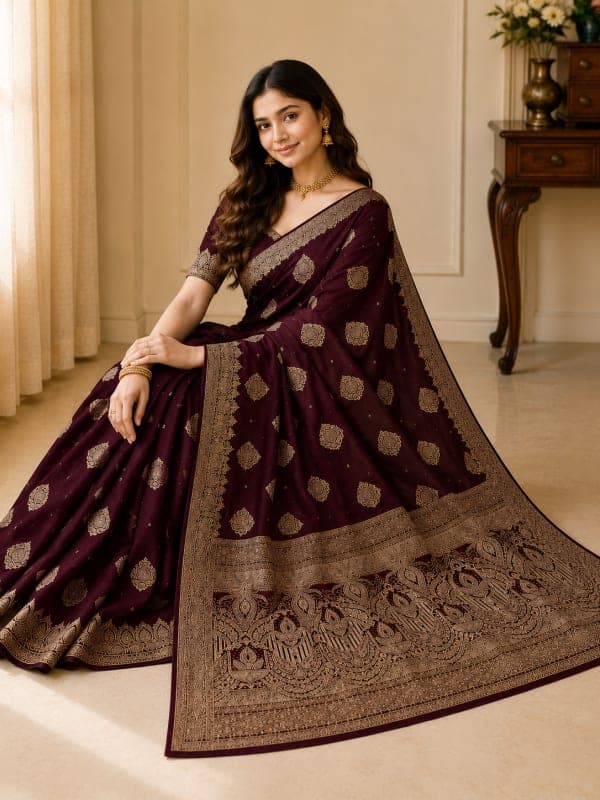
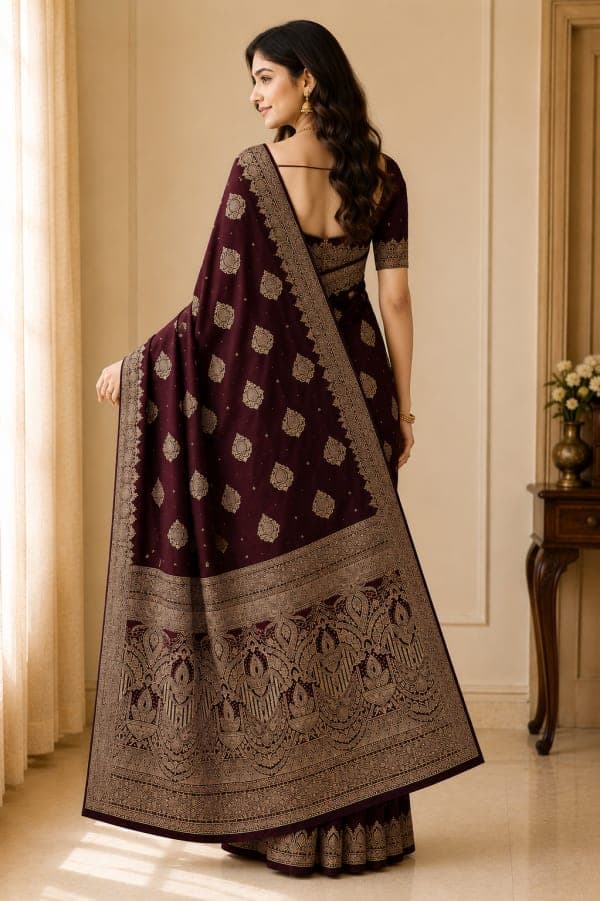
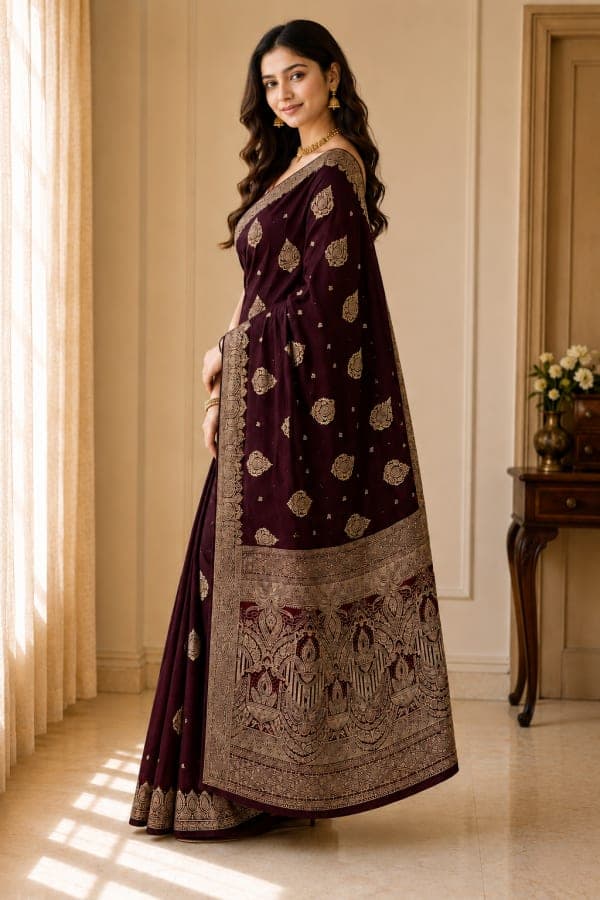
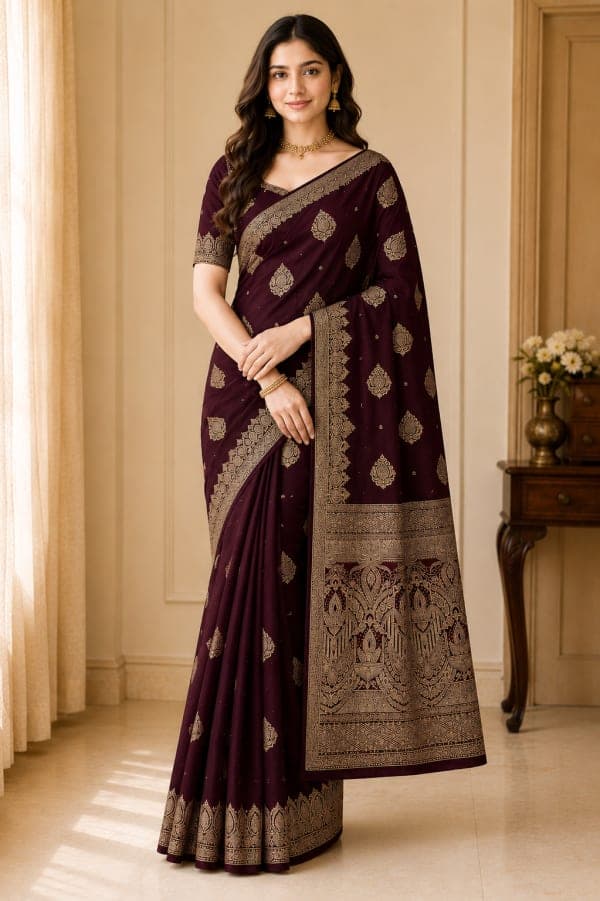
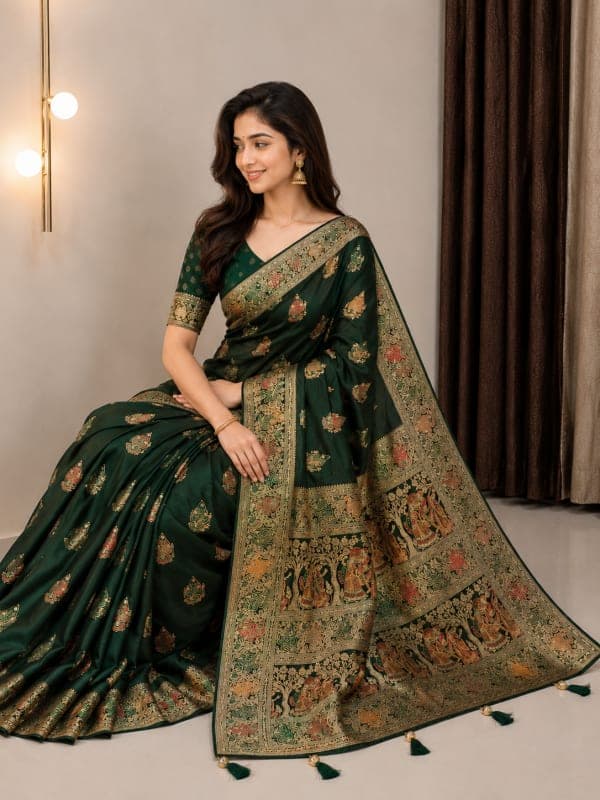
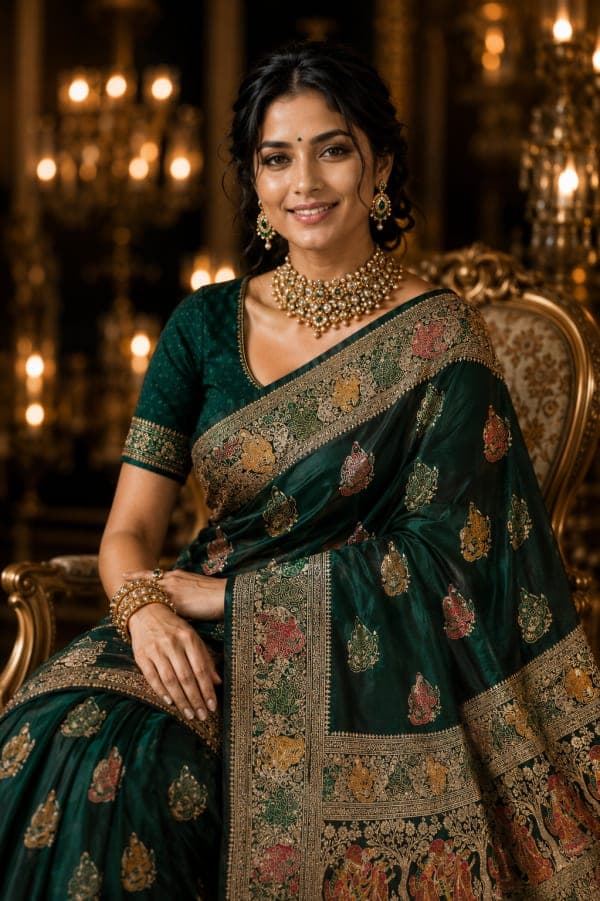
- Wedding ceremony: more traditional silk, richer colors, but still deliberately a notch below what the bride and her immediate family are likely wearing.
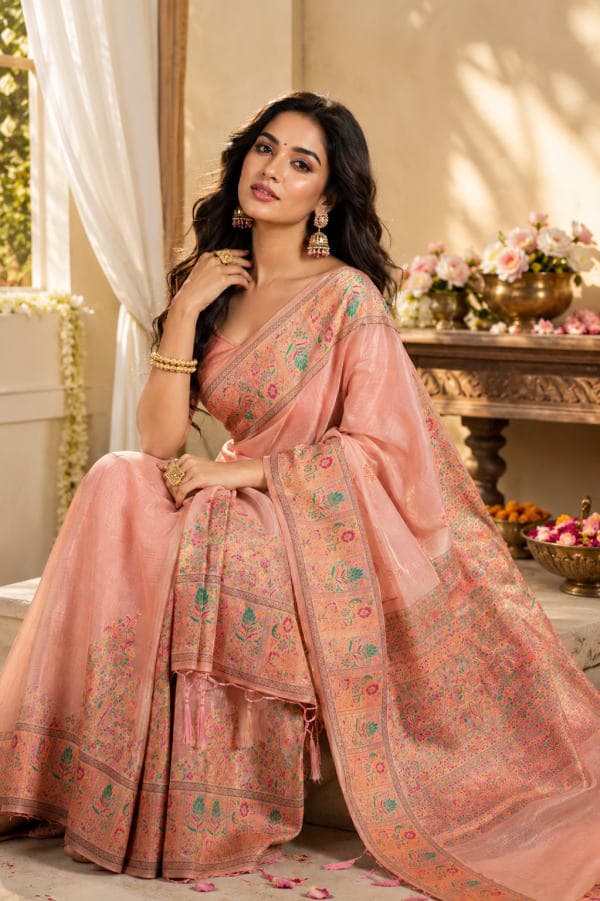
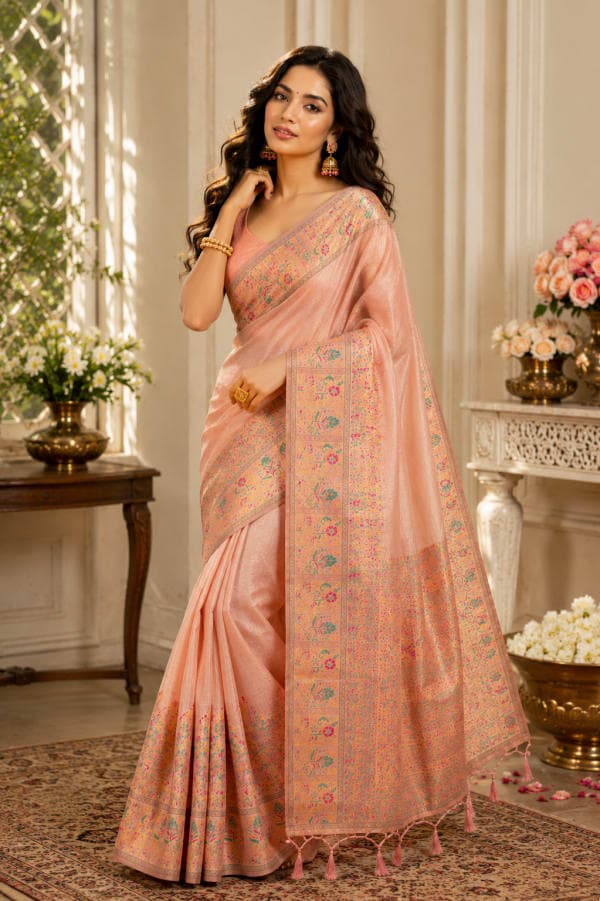
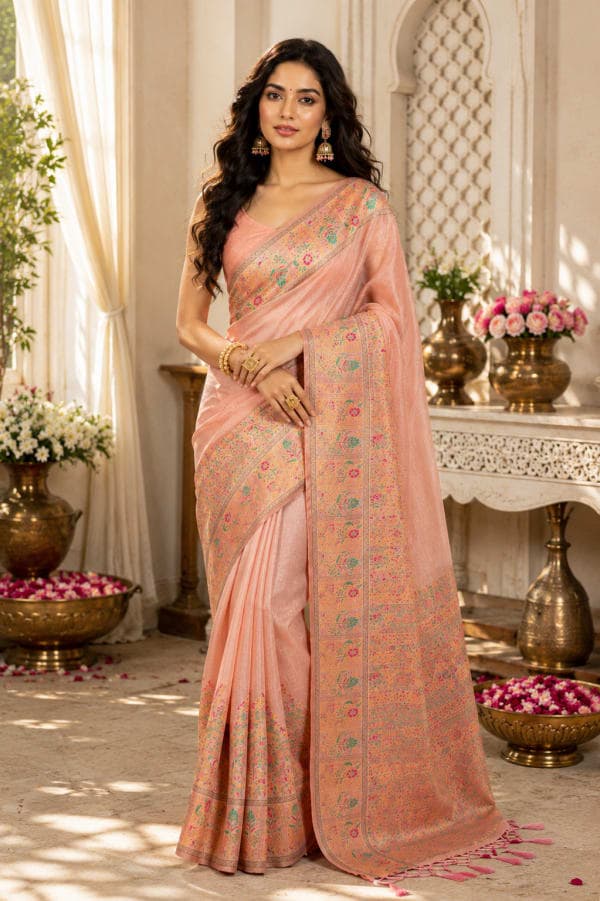
- Reception: your most elegant option - pastels, deep jewel tones, or metallics all work well.
How Not to Outshine the Bride
Avoid the bride's stated wedding color if you know it in advance, keep your zari/embellishment level a step below bridal-heavy, and skip an elaborate cape or trail-style pallu that draws focus away from the couple.
Practical Tips for Long Wedding Days
Indian weddings often run many hours across multiple functions - choose a fabric you can sit, eat, and dance in without constant readjustment. Georgette and lighter silk-blends hold up better across a long day than stiff, heavy silk.
Quick Answer: Is it rude to wear a saree similar to the bride's?
It's considered a courtesy to avoid the bride's exact color if you know it, but a similar shade (not identical) generally isn't a serious faux pas among guests - when in doubt, ask a close family member of the couple.
See function-appropriate picks across our full saree collection.