


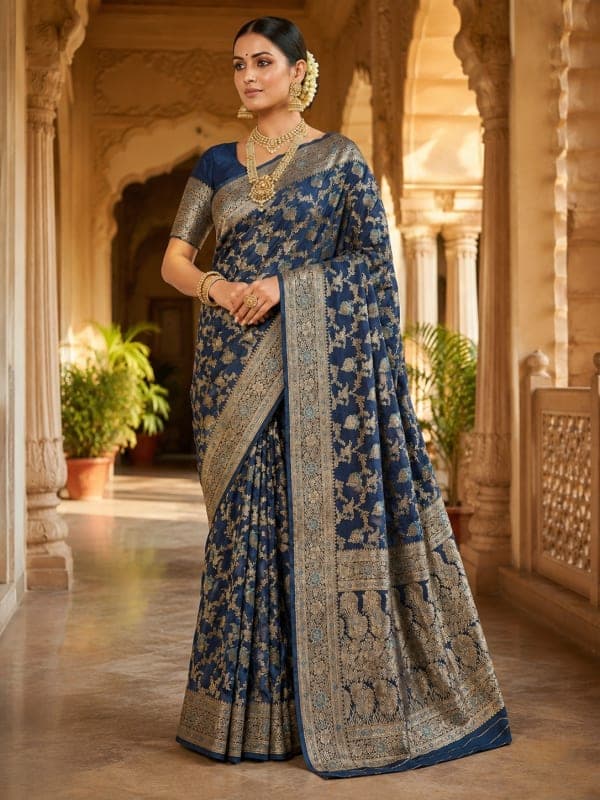
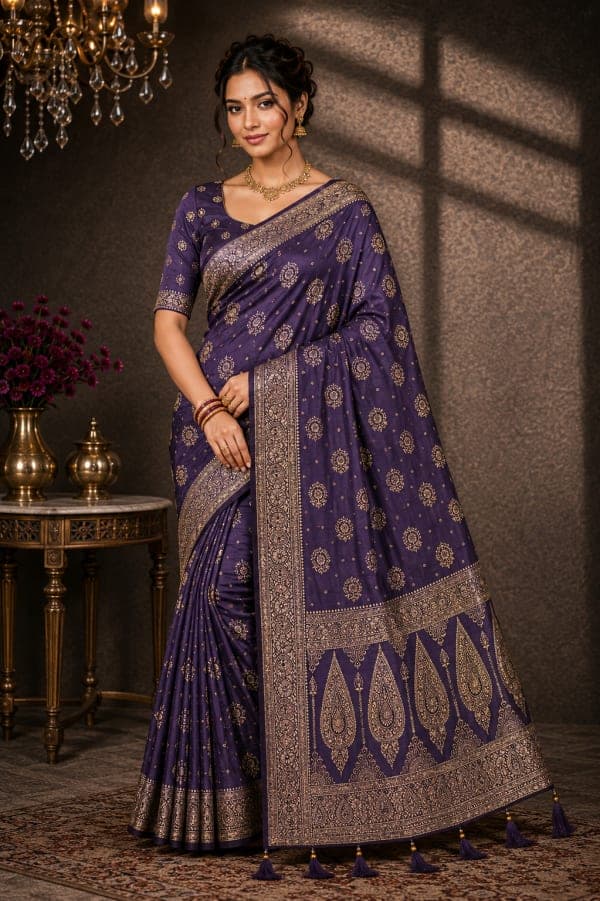
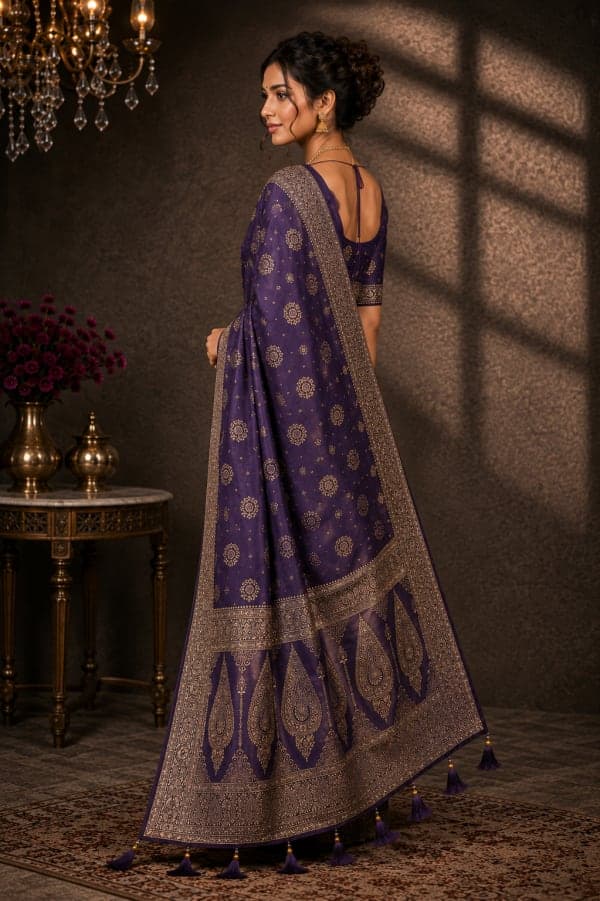
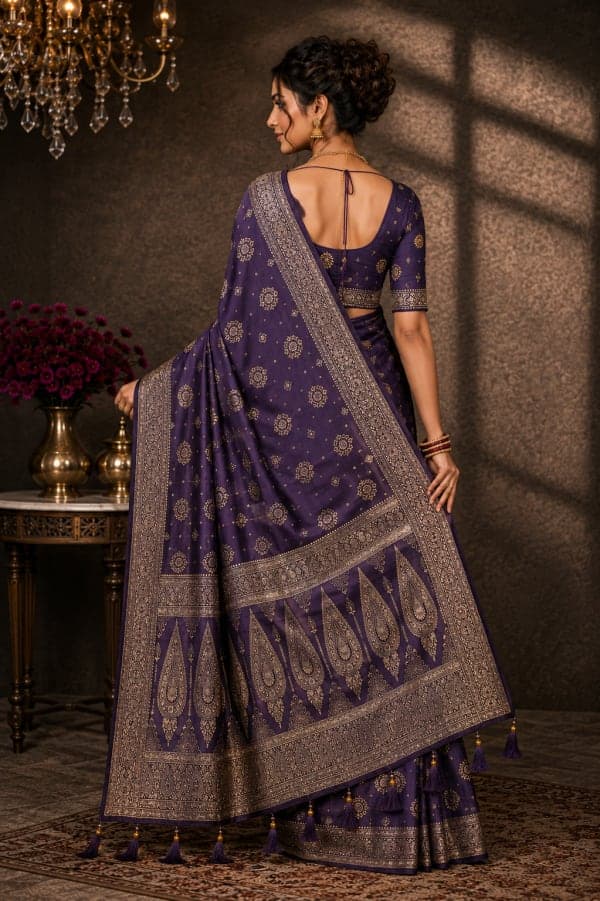
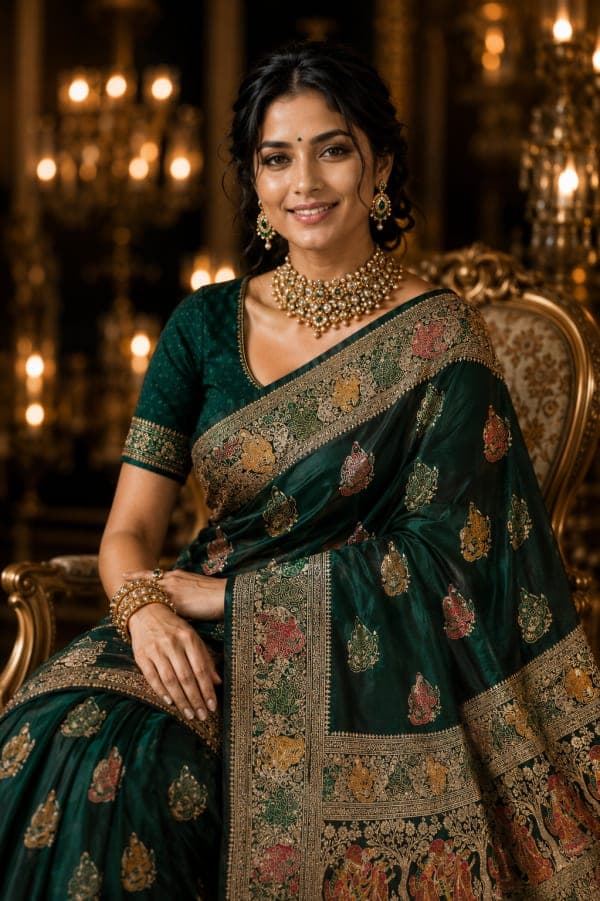
Why Red Dominates Karva Chauth
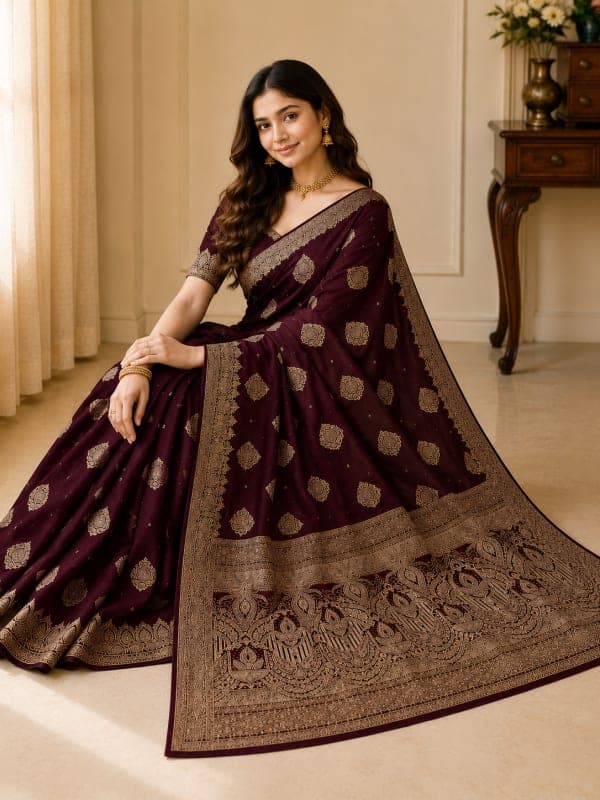
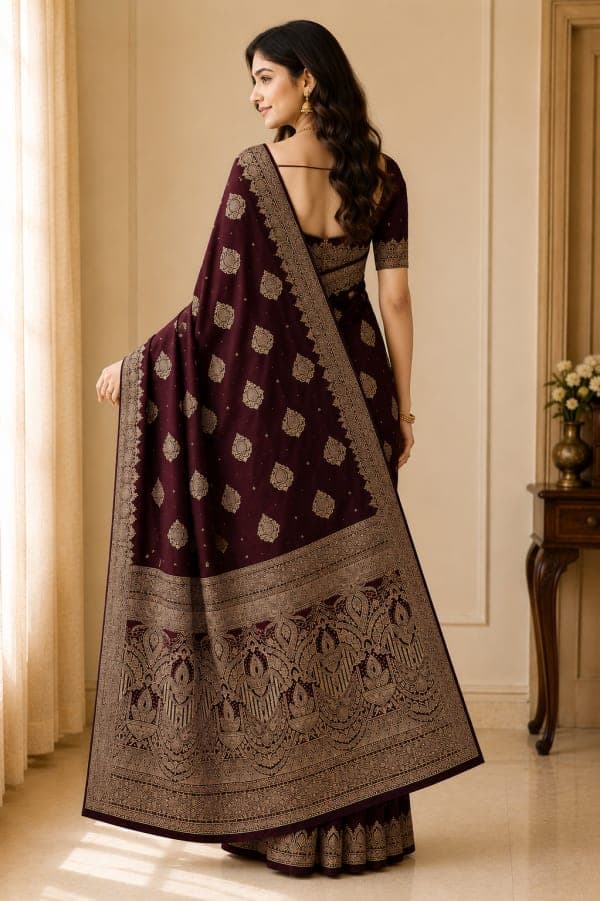
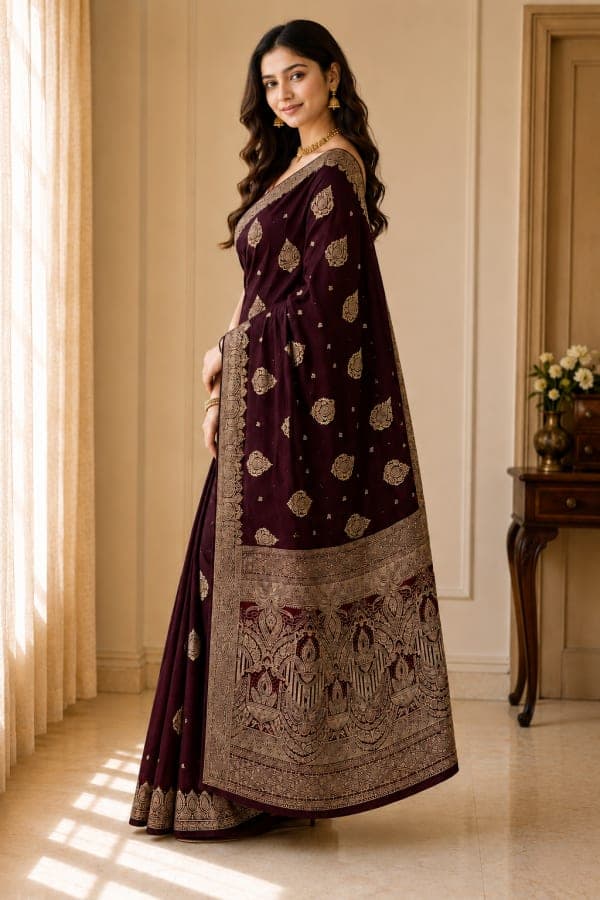
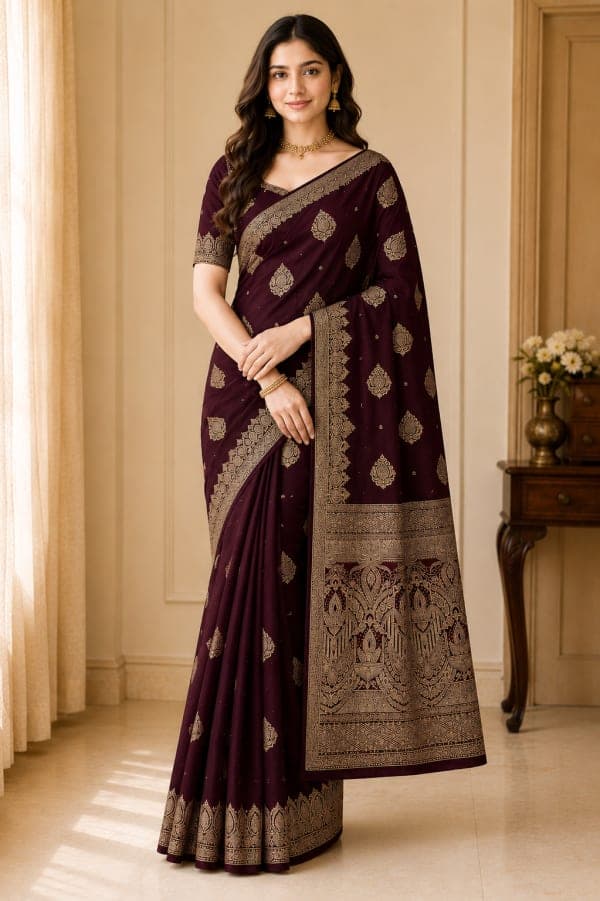
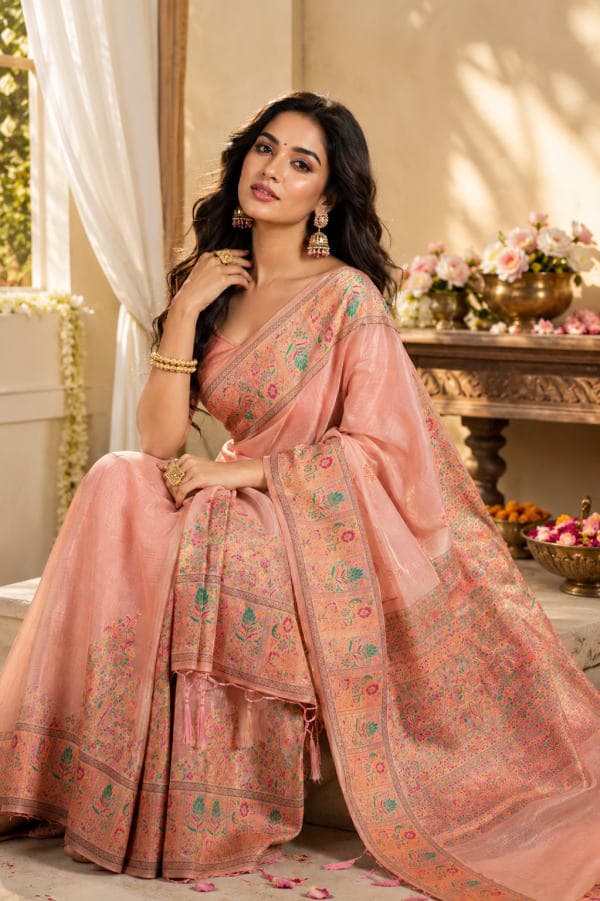
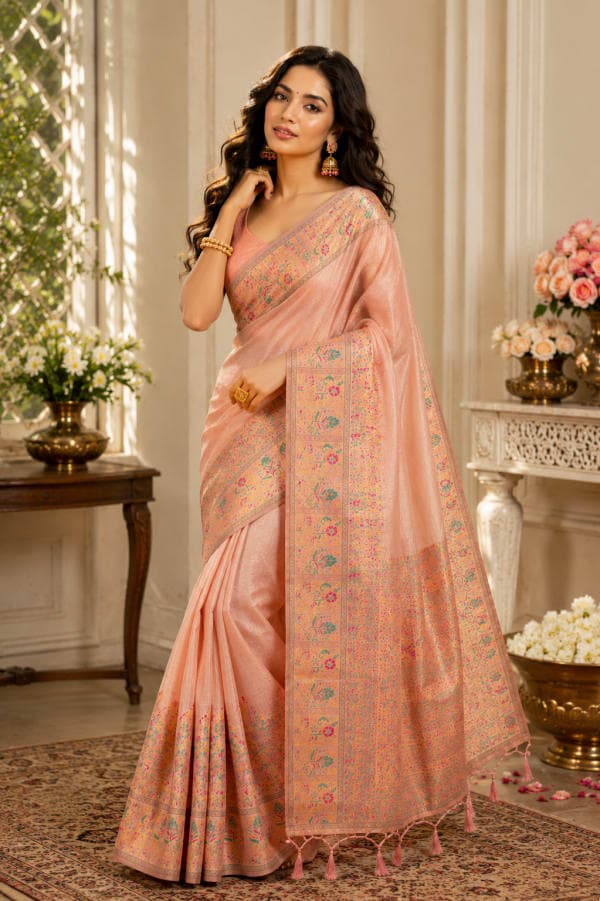
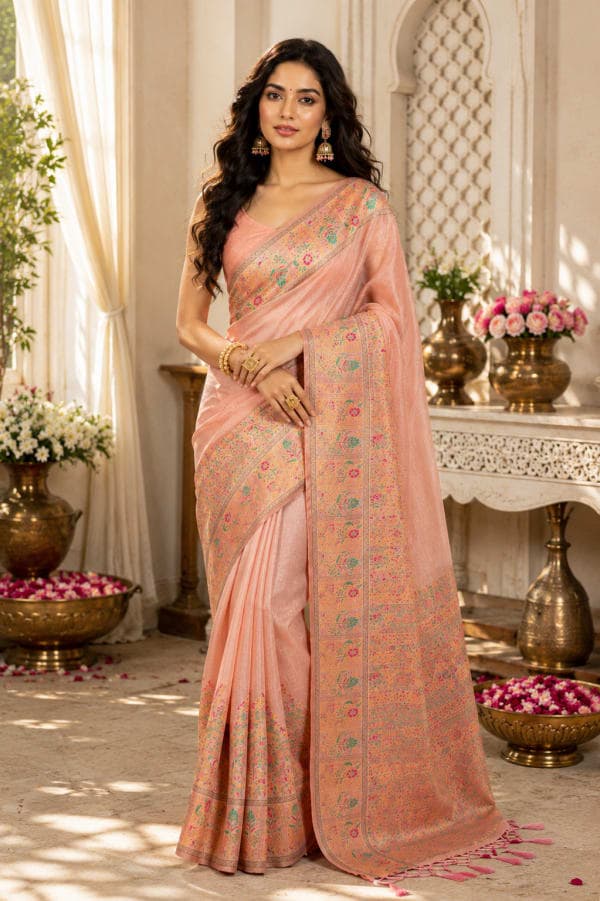
Red has long symbolized marital prosperity and love in North Indian tradition, which is why it remains the most popular Karva Chauth color - though maroon, pink, and orange are also widely worn as variations within the same symbolic family.
Choosing Fabric for a Full-Day Fast
Karva Chauth involves fasting from sunrise to moonrise, so comfort matters as much as color. A lighter silk or silk-cotton blend is more practical for daytime than a heavy, structured Kanjeevaram - you'll likely be in it for 10+ hours.
Styling for the Evening Ritual
The moon-sighting ceremony is typically when women dress up most - many switch into a heavier, more embellished red saree specifically for this part of the evening, paired with traditional jewelry like a maang tikka, bangles, and a bindi.
Sindoor-Safe Fabric Choice
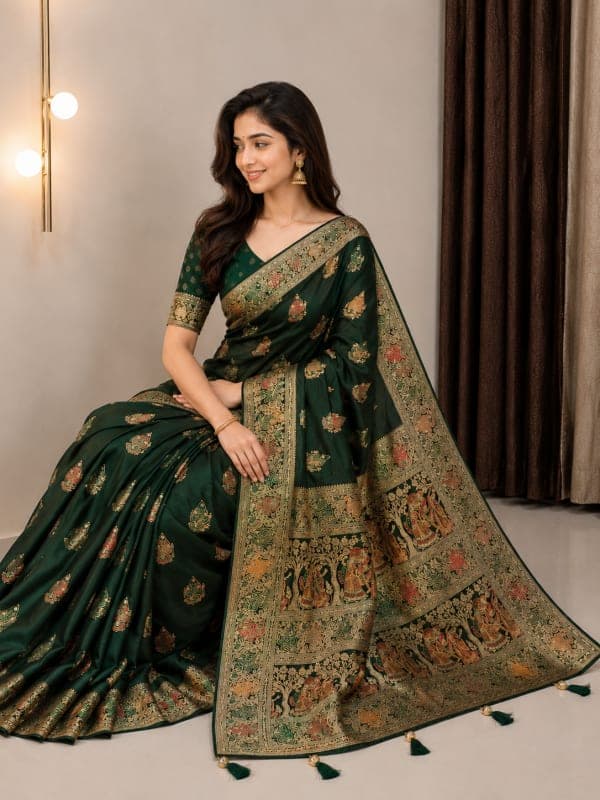
Since the ritual involves sindoor application near the face and pallu, some women prefer a saree with a slightly darker or patterned pallu near the shoulder to avoid visible staining on plain fabric.
Quick Answer: Do unmarried women wear specific colors for Karva Chauth events?
Karva Chauth is traditionally observed by married women, but at group or family celebration events, unmarried guests often wear festive colors like pink, orange, or yellow rather than the ritual red.
Browse red and maroon silk options in our Silk Sarees collection.