


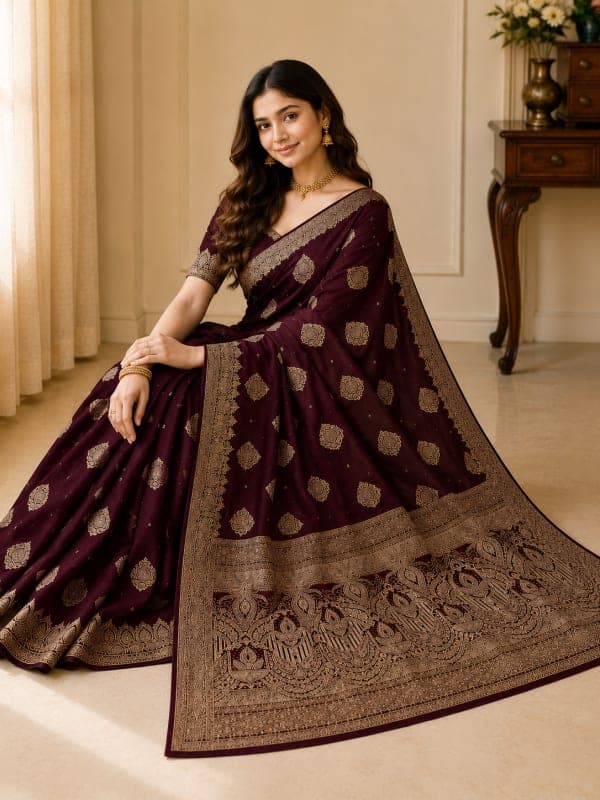
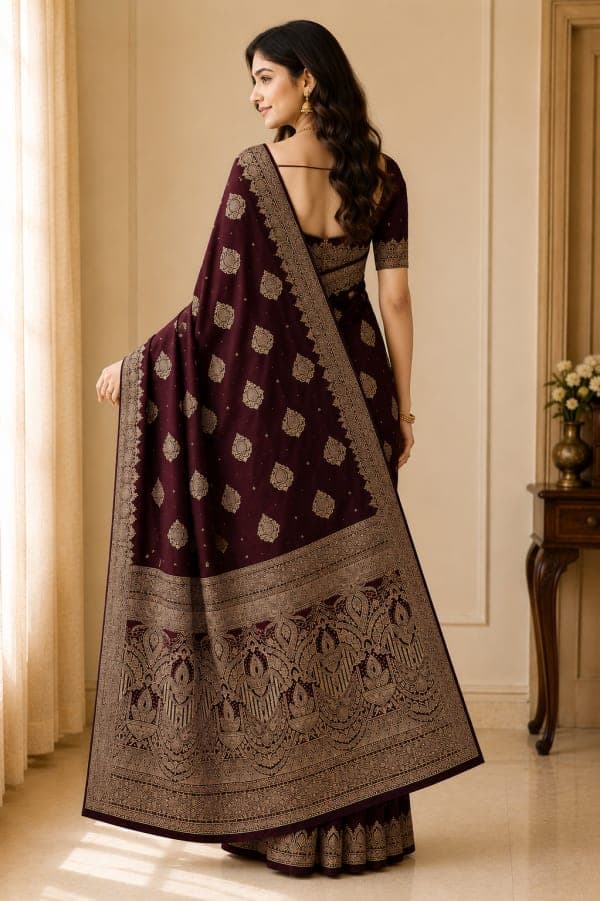
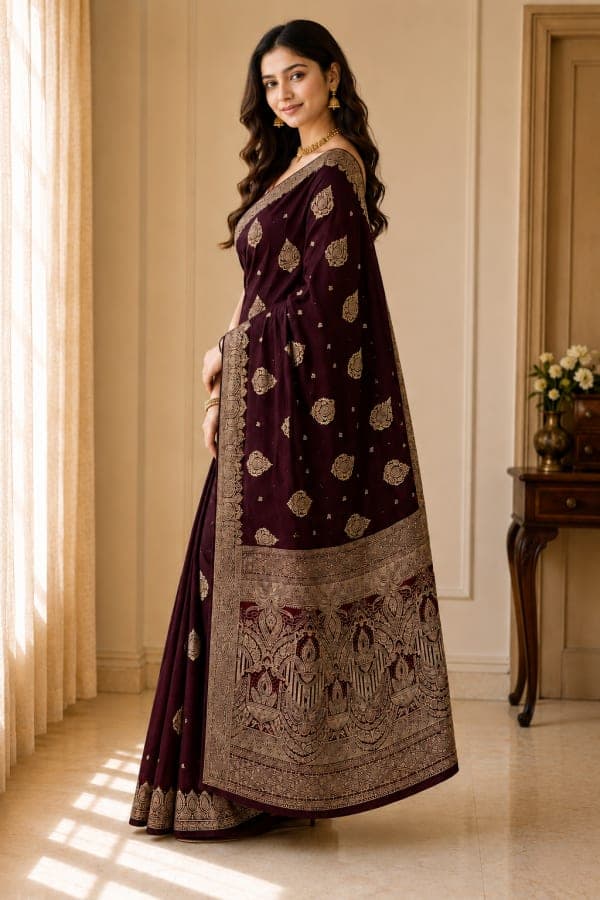
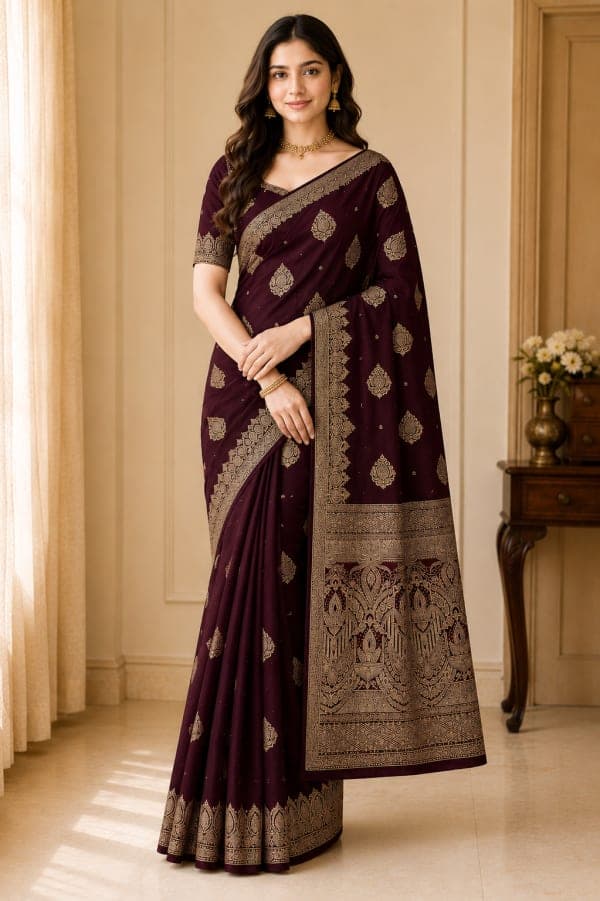
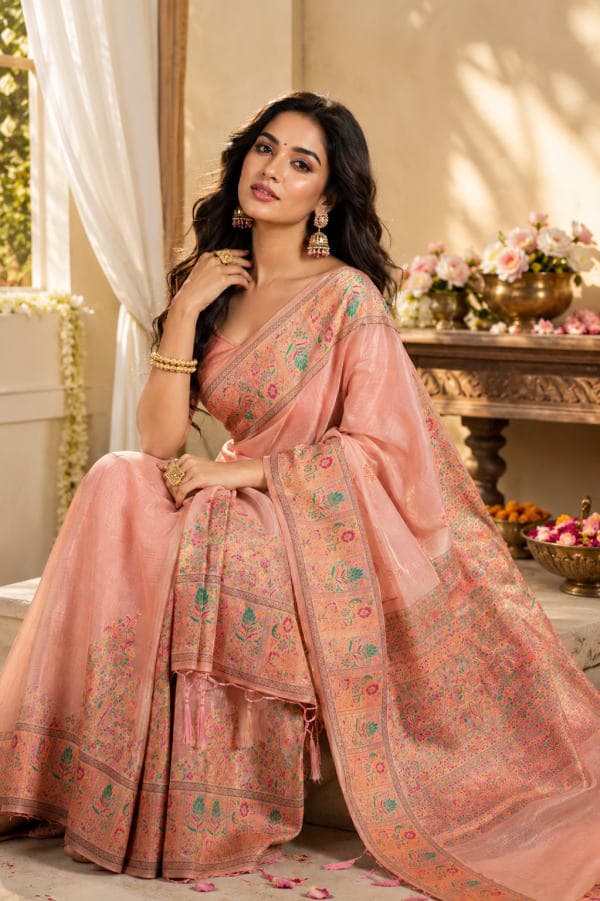
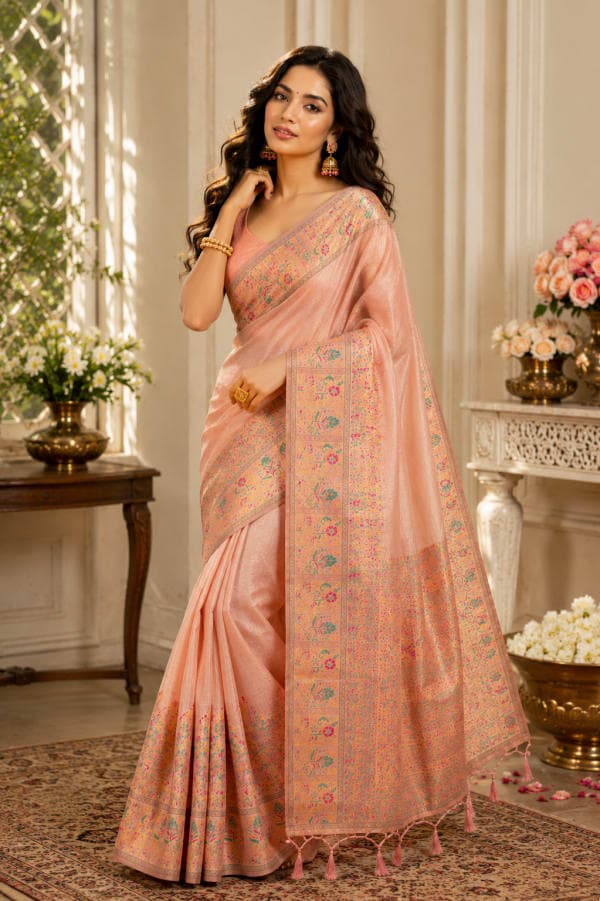
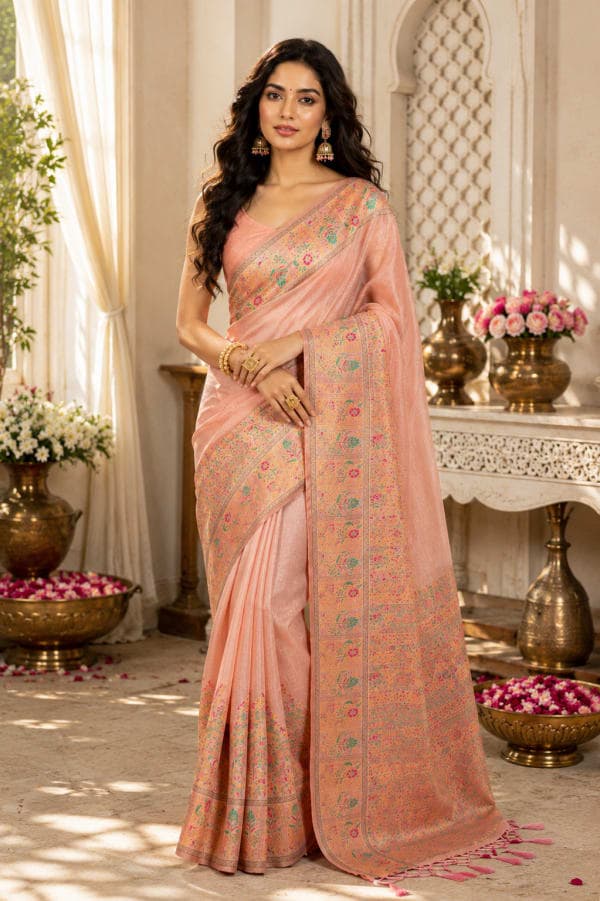
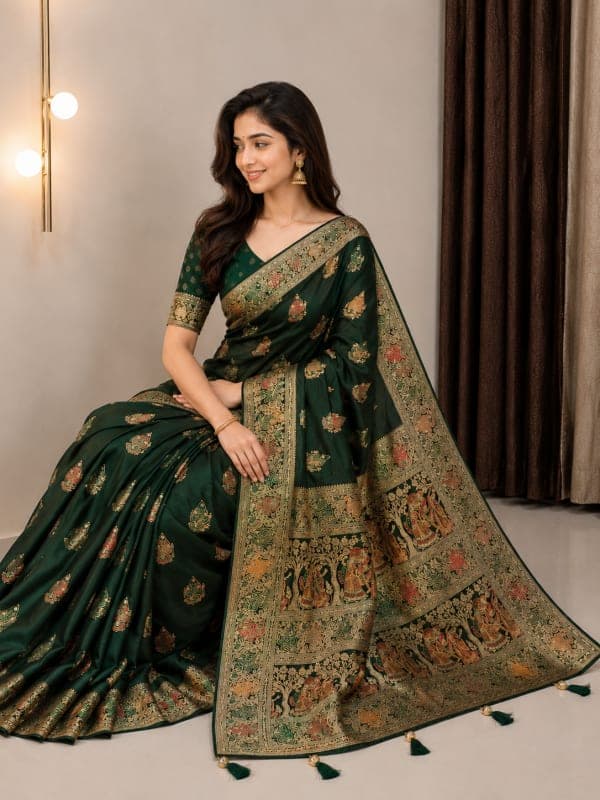
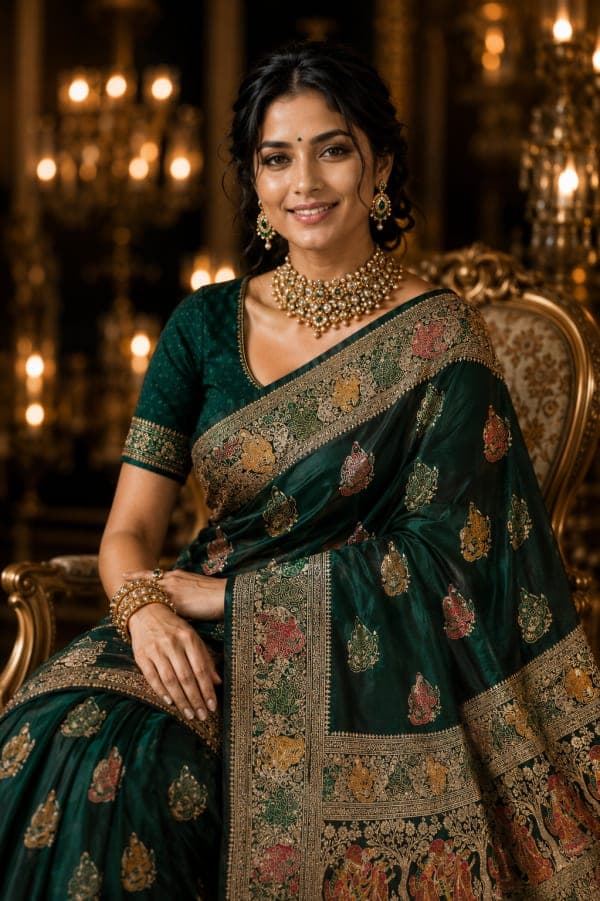
There's No Universal Right Answer - It Depends on the Function
Both are appropriate for Indian weddings, and the choice usually comes down to comfort with draping, the specific function, and how much movement the event involves.
When a Saree Wins
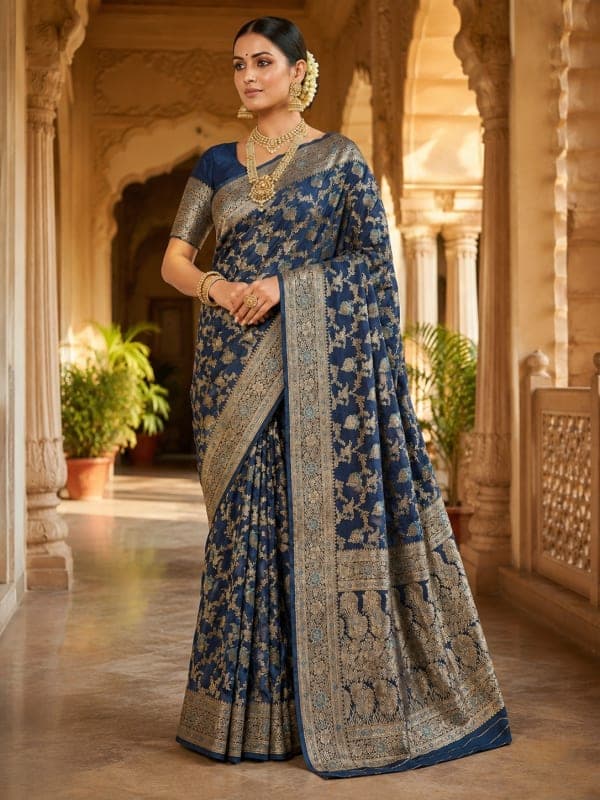
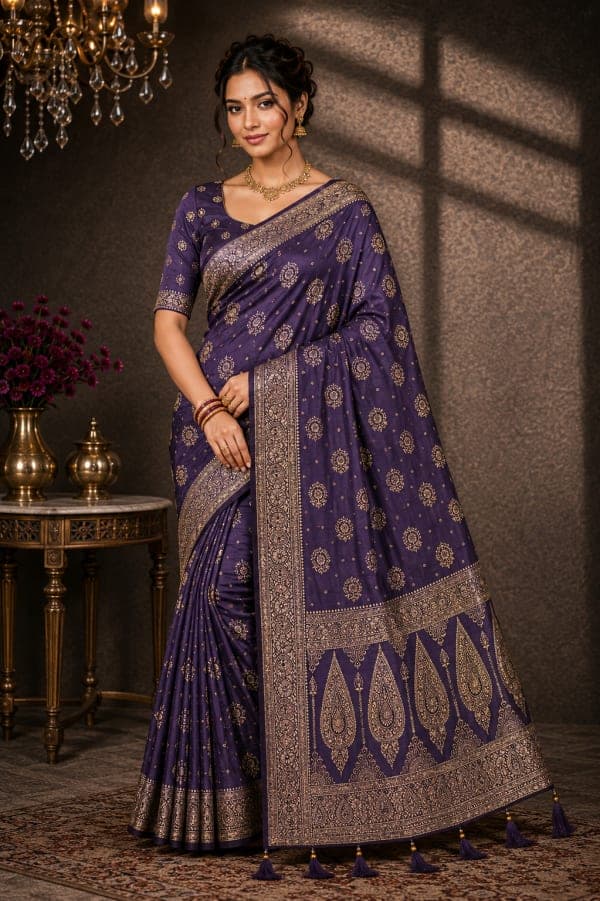
- Traditional or religious ceremonies: a saree generally reads as more formal and traditional for the main wedding rituals.
- Seated, long-duration functions: a well-draped, well-pinned saree holds up through hours of sitting better than a heavy lehenga skirt.
- If you're confident draping: a saree offers a level of elegance a lehenga can't quite replicate for certain traditional settings.
When a Lehenga Wins
- Dance-heavy functions (sangeet): a lehenga's flared skirt is built for movement in a way even a dhoti-draped saree isn't.
- If you're not confident with draping: a lehenga is a stitched, fitted garment - no draping skill required, no risk of it coming undone.
- Younger, more fusion-forward guests: lehengas currently skew toward a slightly younger, more contemporary aesthetic at many events.
Comfort Over a Long Day
Sarees, once properly pinned, are often more comfortable for extended wear since the fabric isn't cinched at the waist the way a fitted lehenga skirt is - but this really depends on how well the saree is draped in the first place.
Photographing Well
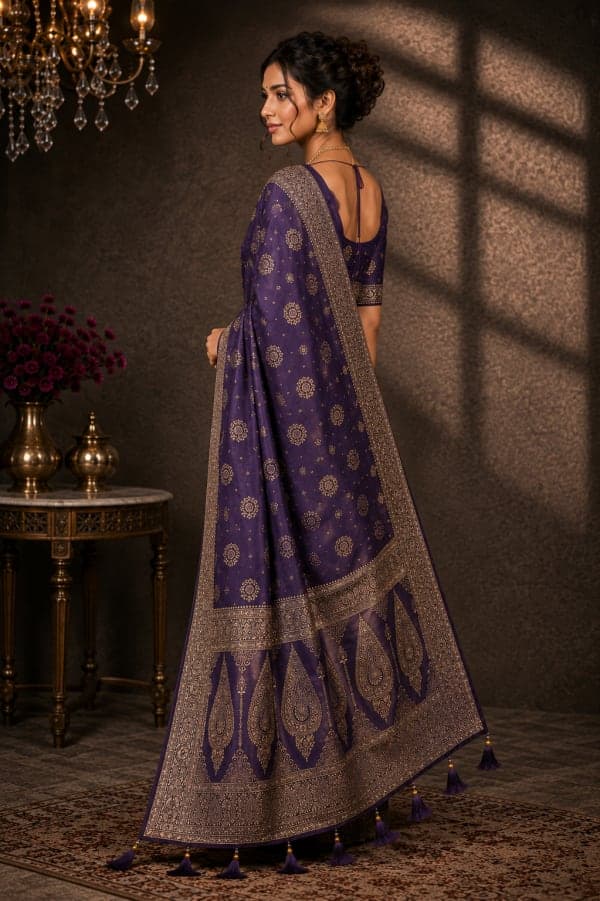
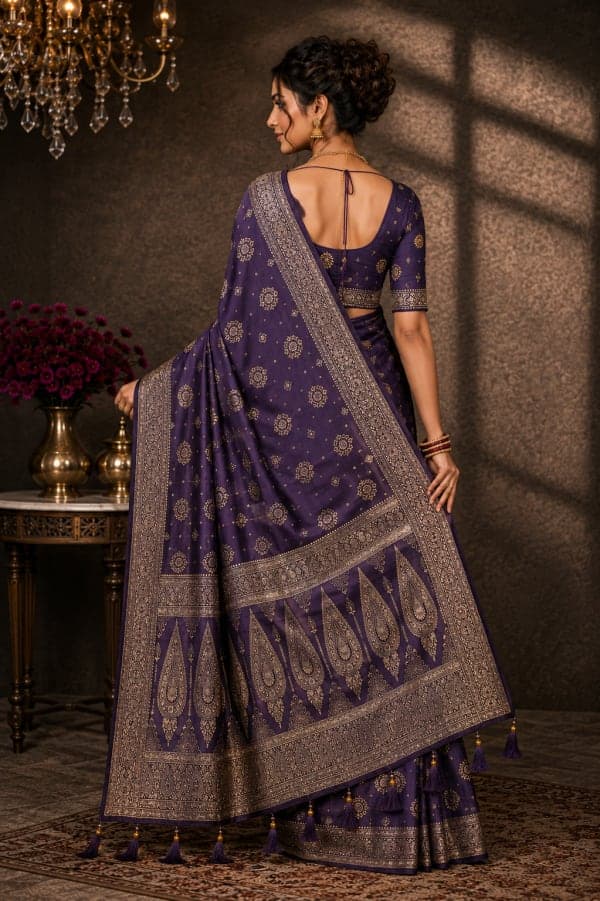
Both photograph beautifully; sarees tend to look more elegant in candid, movement shots (the pallu catches motion nicely), while lehengas photograph strongly in posed, formal shots where the full skirt silhouette is visible.
Quick Answer: Can I wear a saree to a sangeet if I don't own a lehenga?
Yes - a lighter, dhoti-draped or pre-stitched saree (see our dhoti saree guide) gives you much of the movement-friendliness of a lehenga while staying in saree form.
Compare options across our Sarees and Lehenga collections.